THE BUYER'S GUIDE / CALIFORNIA
California Electrical Equipment Buyer Resources and Locations
Find the right California buyer resource
This directory helps equipment owners choose a useful starting point for selling electrical distribution assets in California. Browse by location, equipment type, manufacturer, rating, industry or the question you are trying to answer. Each route approaches the same decision from a different piece of information.
A location page can help organize a request around the city or county where the equipment sits. An equipment page may be more useful when you know what you have but have not yet assembled the rest of the listing. You can use more than one category to describe a mixed group.
The business is a buyer, not an equipment seller. We make cash offers and pay upfront for purchases, with no seller testing. We buy all voltage classes and handle and pay for every disconnect and removal step, including crane work, rigging, loading, freight and hauling.
Browse by location and equipment
Use the city and county resources to frame a request around the equipment's actual California location, rather than assuming the nearest city describes the site accurately. The pickup location helps identify practical access and transport considerations; it is not a claim that a buyer maintains a local branch there.
Equipment resources cover switchgear, switchboards, motor control centers, panelboards, busway, breakers, automatic transfer switches and unit substations. Choose the category that matches the assembly, or describe several categories when a facility has a combination. If the equipment's identity is uncertain, an existing photograph can help begin the discussion.
For a switchgear or switchboard lineup, indicate the number of sections if known. For breakers or busway, identify quantities and related components where possible. The directory's categories are ways to organize a request, not instructions to separate equipment or prepare it for shipment.
Use manufacturer and rating resources
Manufacturer pages can help narrow a request when the name on the equipment is known. Include the model and serial details from existing records or a safely available nameplate photo, rather than assuming that every piece in a lineup is identical. A manufacturer name alone does not establish condition or value.
Voltage and amperage pages offer another way to find relevant information. Report the actual nameplate values when available and identify which item they describe; different components in the same facility may carry different ratings. All voltage classes are bought, and unknown ratings can remain unknown until reviewed.
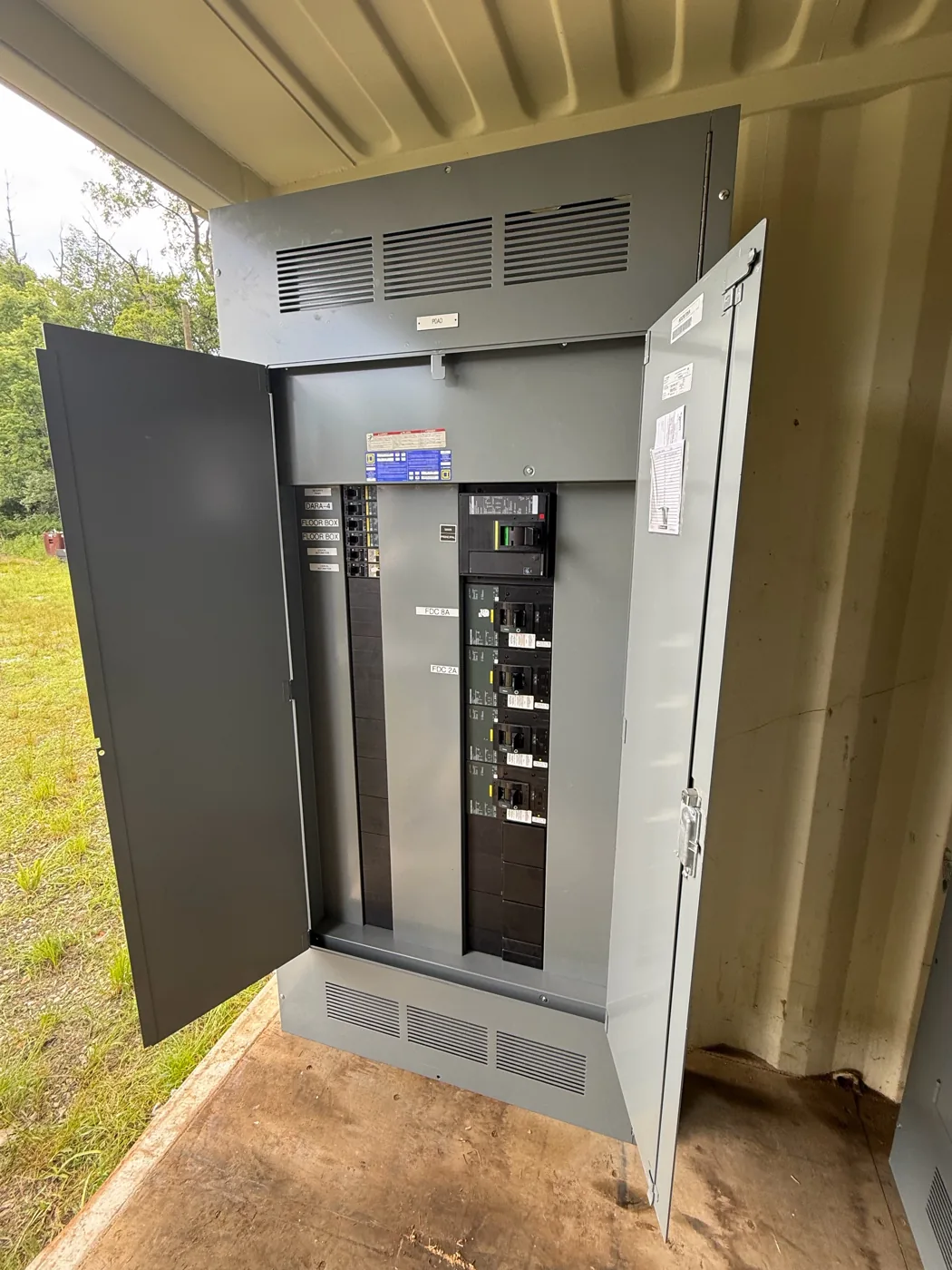
An overall photo can show configuration, while a readable identification plate can clarify model and rating. Share information already available without opening covers or approaching energized equipment. No electrical measurements, operational checks or other seller testing are needed to request an offer.
Explore industry and seller questions
Industry resources address equipment becoming surplus during facility changes, including switchgear from decommissioned data centers and shut-down power plants. They can help owners describe the project context alongside the actual assets, whether the equipment remains installed or has already been placed in storage.
Buyer-intent resources address questions such as who buys used switchgear or how to describe surplus electrical equipment. Use them to distinguish previously operated gear from unused surplus and to think about condition, quantity and configuration, rather than assuming that a broad category determines an offer.
For a mixed retirement, an existing inventory can be more useful than treating every assembly as a separate project. Note known missing pieces or visible damage and identify any uncertainty. The buyer reviews the actual equipment and circumstances before determining whether and on what terms to make an offer.
From resource page to offer request
Once you have found a relevant resource, request a cash offer with the equipment type, quantity, condition and California location. Add available nameplate or overview photos and known manufacturer, model, voltage and amperage details. Existing documentation is useful, and incomplete information need not be replaced with guesses.
Mention what is known about site access, such as the equipment's floor, doorway restrictions, loading area and site entry rules. If equipment is still connected, leave it alone: qualified personnel handle electrical disconnects under applicable safety procedures. The seller does not need to touch energized gear, test or dismantle anything.
We review the information and discuss the offer and removal plan. If the offer is accepted, we pay upfront and handle and pay for all disconnects, crane work, rigging, loading, freight and hauling. The seller does not arrange removal crews or transport and does nothing but get paid.