THE BUYER'S GUIDE / CALIFORNIA
Sell Surplus Switchgear in Torrance, CA
Recognize the Surplus Asset
When a project leaves switchgear unused, the first useful step is to identify what is actually available. If you plan to sell surplus switchgear in Torrance, CA, begin by distinguishing the equipment from associated transformers, protective devices, spare parts, and unrelated electrical materials. That basic separation helps create a clear description for review without requiring you to determine a sale value or perform technical work.
Surplus can result from a facility change, an equipment replacement, a property transition, or a larger decommissioning. The reason matters as context, but it does not establish the equipment’s condition or value by itself. Note whether the gear remains installed, has been disconnected, or has already been moved into storage, and explain any uncertainty rather than filling gaps with guesses.
Share Identifying Details
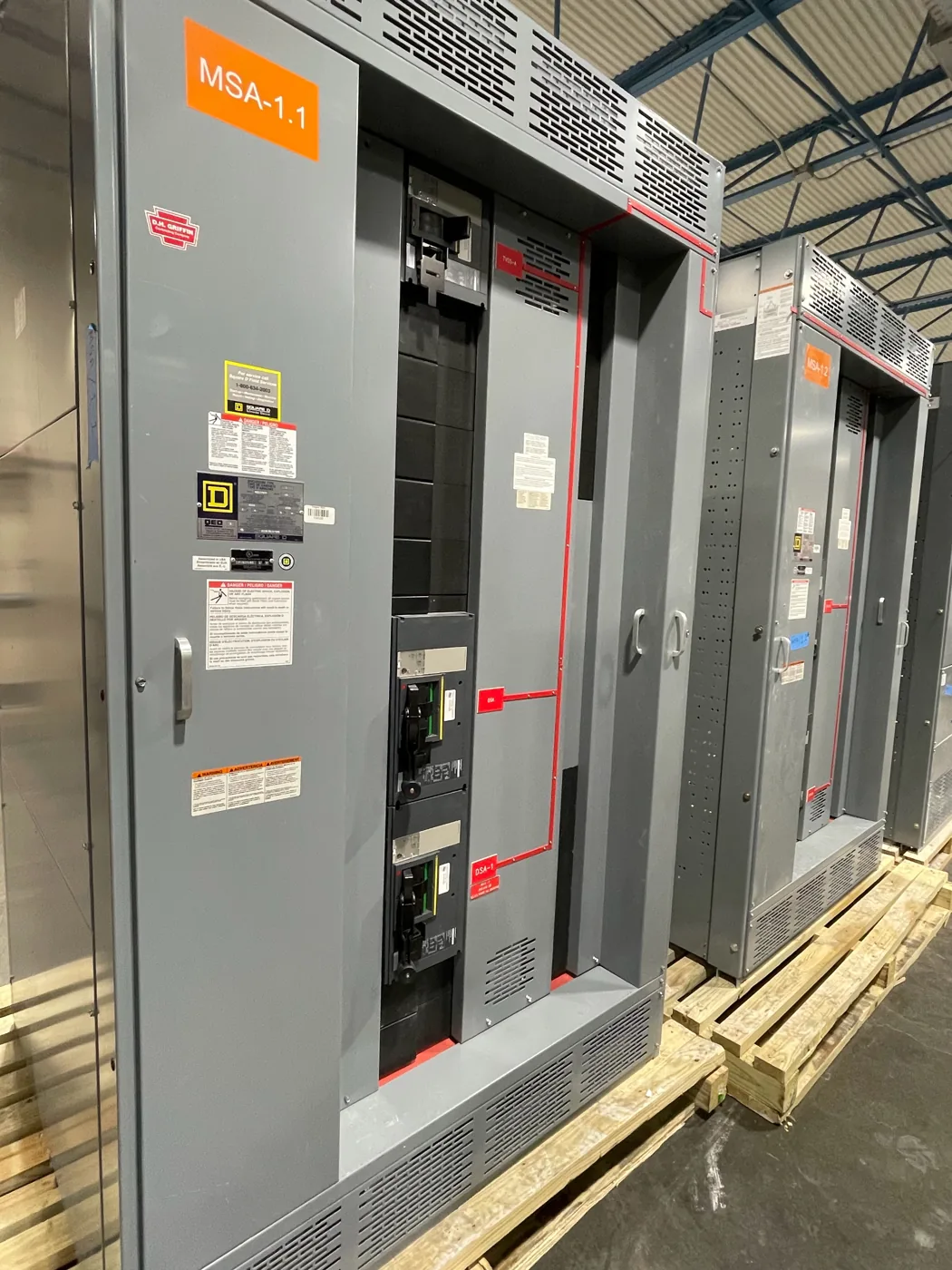
Photographs of accessible nameplates are especially helpful because labels may show manufacturer, model or catalog designation, voltage class, and other identification details. Share only information that can be observed safely and read clearly. A partial photo is still useful if a label is obstructed; mention what is missing instead of trying to move equipment or remove covers to obtain a better view.
A wider photograph can show the lineup or individual sections and help distinguish the main gear from nearby equipment. If visible, include the number of sections, doors, compartments, or associated units, while avoiding assumptions about internal configuration. The buyer purchases equipment across all voltage classes, so do not exclude an item simply because its voltage is unfamiliar or because you cannot interpret the nameplate.
Describe Status Honestly
State what is known about condition: for example, whether the equipment is described as operational, idle, disconnected, incomplete, or of unknown status. These terms should reflect records or direct observation, not a fresh test. The buyer does not require sellers to test equipment. If maintenance documents, prior inspection records, or a known fault description already exist, you can share them for context, but gathering new technical evidence is not a condition of requesting a quote.
Explain whether parts appear to be missing, whether accessories are included, and whether the equipment has been stored or exposed to ordinary site conditions. A clear statement such as “status not verified since removal” is more useful than an unsupported assurance. Do not energize, open, or handle switchgear to answer questions. Electrical handling and disconnects belong to qualified personnel following applicable safety procedures; the buyer handles the work.
Plan Access and Removal
Access information affects how a review and potential removal can be considered. Describe the equipment’s location within the property, the route to an exit, doorway or height restrictions, stairs, loading-area arrangements, and any known limits on vehicle access. If you do not know a measurement, say so. Photos of the route or a simple site description can clarify constraints without asking anyone to move heavy equipment.
Tell the buyer whether the gear is still connected, whether other work is scheduled nearby, and whether the site has rules for coordinating entry or removal. Share known crane or loading considerations, but do not arrange rigging yourself. The buyer handles rigging and logistics, including crane, rigging, disconnects, loading, freight, and hauling at its expense. Any electrical work remains for qualified personnel using applicable safety procedures.
Request a Review and Quote
For a useful quote request, send the equipment’s location in Torrance, clear nameplate and overview photos, quantity or lineup description, known condition, and any records already available. Add the decommissioning or removal status and the access details that could affect handling. If an exact model, count, or condition is uncertain, label it as uncertain so the review can account for that limitation instead of relying on a mistaken description.
A quote depends on reviewing the equipment and the information provided; it is not a guaranteed valuation or eligibility decision. The business buys used and surplus switchgear, including equipment from decommissioned data centers and shut-down power plants, makes cash offers, and pays upfront. Sellers do not need to test the equipment. The buyer handles removal logistics at its expense, so your practical next step is to share what you already know and ask for a review.