THE BUYER'S GUIDE / CALIFORNIA
Sell Surplus Switchgear in West Covina, CA
Plan Around the Facility Change
A facility change can leave surplus switchgear in place while other work moves forward. If you plan to sell surplus switchgear in West Covina, CA, begin by describing the equipment's present situation: whether it is still installed, already disconnected, or being stored after removal. Include what is changing at the site and whether the equipment is part of a larger decommissioning. The point is to explain the circumstances, not to claim a condition or history you cannot verify.
An owner may have a short inventory, old project records, or photographs from before a system was taken out of service. These materials can establish how the equipment was identified, but they do not guarantee its current condition or a particular valuation. The buyer reviews the equipment before making a quote. Used and surplus switchgear from all voltage classes can be considered, including equipment associated with decommissioned data centers and shut-down power plants. Describe those origins only when they apply to your equipment.
Provide Useful Listing Details
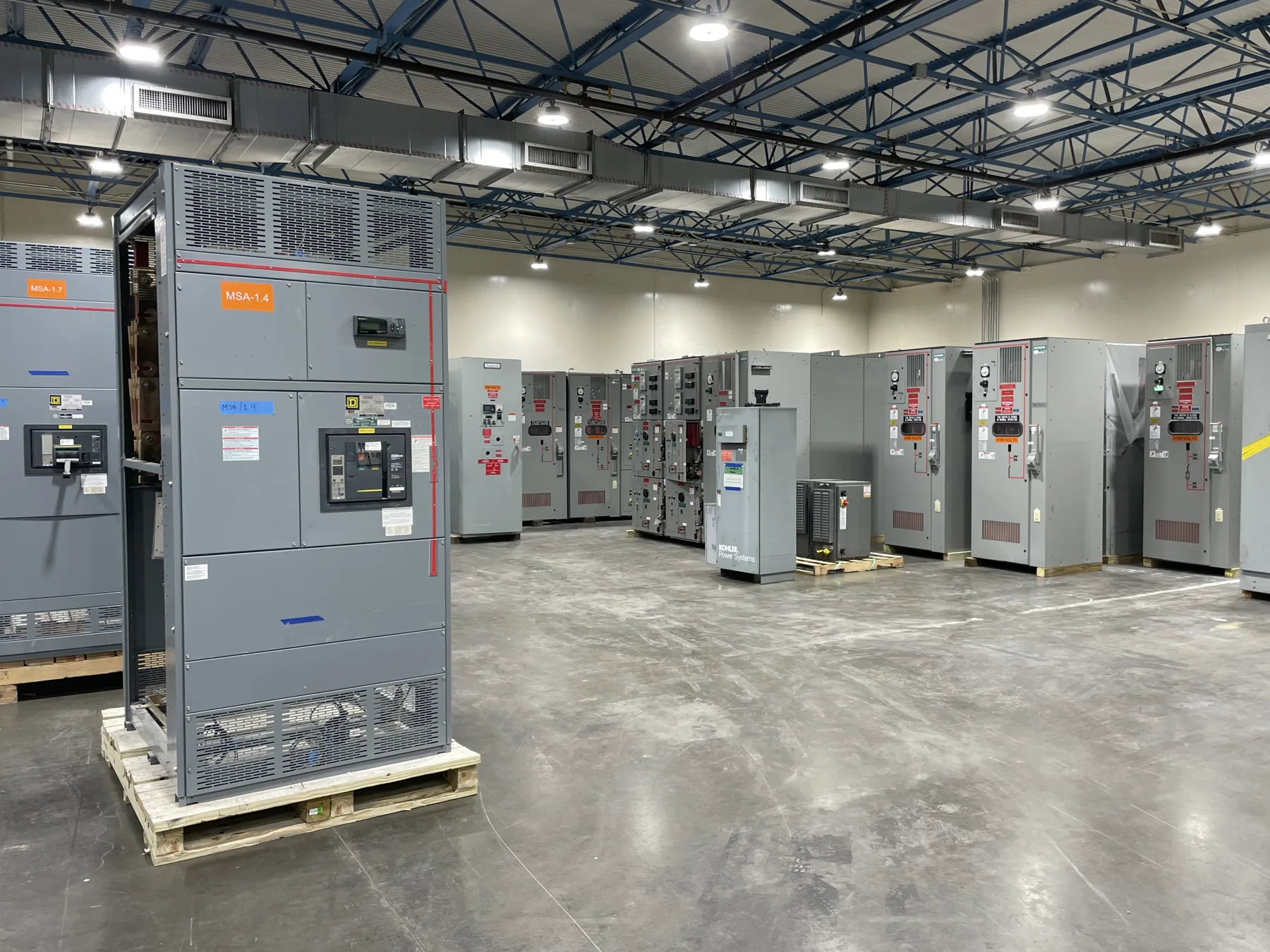
Start with available nameplate photographs and a broad view of each lineup or equipment group. Clear images of labels may show information that helps distinguish one section from another. If a label is obscured, damaged, or missing, say that; do not infer a manufacturer, model, or rating from appearance. If you have an equipment schedule, asset record, or previous inventory, share it as supporting information and explain whether it covers the entire lineup or only selected sections.
A concise condition description should stick to visible or documented facts. For example, note whether the gear is assembled or separated, whether doors appear present, and whether you know of missing parts or exterior damage. State whether the equipment is installed, disconnected, or in storage only if that status is known. Sellers do not need to test equipment. Existing inspection information may be shared if available, but testing is not a prerequisite. This keeps the review grounded in evidence rather than assumptions about operating performance.
Explain Why the Details Matter
Surplus switchgear is not always a single interchangeable item. A lineup can contain sections with distinct roles, and records or labels help a reviewer understand what is being offered as one group. Equipment status matters because installed gear, removed gear, and stored components present different removal-planning questions. A candid account of missing documentation or unknown condition is more useful than a confident but unsupported specification. It also helps prevent avoidable back-and-forth when the available information does not answer a question.
The reason the gear became surplus can add context without determining its value. A replacement project, facility reconfiguration, closure, or other change may explain why an asset is no longer needed. If the information is available, include when it was removed from service and whether removal has occurred. Avoid describing the equipment as operational unless you have a reliable basis for that statement. Where a fact is not known, label it unknown and let the buyer review the equipment and ask any necessary follow-up questions.
Share Access and Removal Conditions
Access information is important when a lineup remains at a site. Describe its location within the property and any known route constraints, such as stairs, narrow openings, low ceilings, tight turns, limited staging areas, or restrictions on vehicle access. If the gear has already been removed, say where it is stored and whether the storage location can be reached by loading equipment. Photos of the surroundings can clarify an access description when taken safely and without disturbing the equipment.
Do not disconnect, energize, or move electrical equipment to make it easier to review. Electrical handling and disconnects belong to qualified personnel following applicable safety procedures. The buyer handles rigging and logistics, including crane, rigging, disconnects, loading, freight, and hauling, at its expense. That arrangement means the seller does not have to hire a contractor or coordinate a separate hauling plan as a condition of asking for a quote. Share access facts, then let the buyer consider the removal requirements.
Request a Quote With Clear Records
A useful quote request can be brief while still covering the essentials: the equipment location in West Covina, available nameplate photos, known configuration, current status, visible condition, and access limitations. Identify which files relate to which lineup, especially if there is more than one group. If a detail cannot be verified, write that plainly. A complete account of uncertainties is more dependable than a polished description that suggests testing or documentation that never occurred.
Request a review and quote rather than assuming a sale price or approval. The amount depends on reviewing the particular equipment and the information available; no guaranteed valuation or exact turnaround should be expected. The business makes cash offers and pays upfront if it proceeds, and it does not require sellers to test equipment. For a seller deciding how to sell surplus switchgear in West Covina, CA, organizing existing records and describing access is a practical first move; the seller's role is not to perform electrical work or arrange removal.