THE BUYER'S GUIDE / CALIFORNIA
Used Busway Buyers in California
Sell used busway as a defined group of components
A busway run is more than a single straight section. When you want to sell used busway in California, a useful starting point is to describe the sections and associated fittings that are available. The material may still be installed or may already have been removed and stored; either way, tell us its present status and location.
We buy used and surplus electrical equipment, including busway, across all voltage classes. We make cash offers after reviewing the equipment and pay upfront. You do not need to test the busway to request an offer, and you can share a preliminary description even if some measurements or records are unavailable.
We are equipment buyers, not a source of replacement busway. We also buy electrical equipment from decommissioned data centers and shut-down power plants. Whether your material comes from a facility change or a larger closure, let us know what is being offered rather than assuming every component will be included.
Describe sections, fittings and ratings
If known, identify the manufacturer, product line, voltage and ampere ratings from existing records or readable nameplates. Note the number and approximate lengths of straight sections, as well as elbows, tees, end fittings and other pieces included in the proposed sale. Existing drawings or a parts list can provide context when the installed layout is difficult to describe.
Distinguish busway sections from separately available plug-in units or other accessories. If fittings, joint covers or accessories are missing, damaged or stored separately, mention that. If you are unsure which items belong to the run, say so; you do not need to establish compatibility or promise that an assembly is complete.
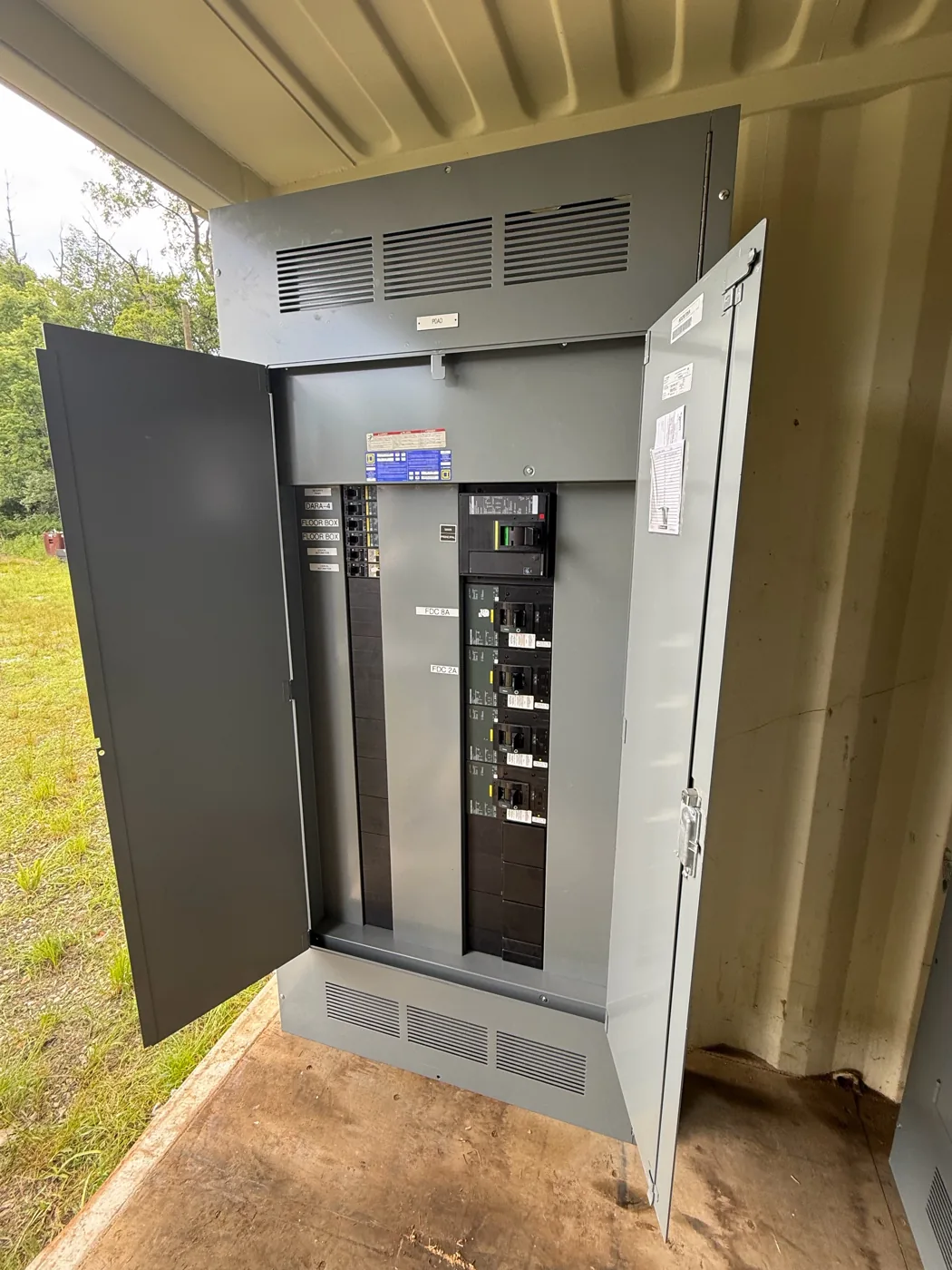
Photos of exterior labels, the overall run and accessible fittings can help us connect the list to the equipment. Take photos only from safe, accessible positions. Do not climb, open covers, touch conductors or enter restricted areas to document an offer request.
Share condition without conducting tests
A straightforward description can distinguish visible condition from information you do not have. Tell us whether the busway is installed, stored indoors or stored elsewhere, and mention any visible dents, missing covers or other known damage. If you have historical records, you may share them, but do not infer an operating condition from appearance alone.
Sellers are not required to test equipment. Do not energize, disconnect, dismantle or otherwise work on busway to make it ready for an offer. Electrical work and disconnects belong to qualified personnel following applicable safety procedures, and we handle the disconnects associated with our purchase.
Where information is incomplete, an honest unknown is more useful than a guessed rating or length. We can consider the equipment description and discuss any further information that may be useful, without asking you to operate the installation or certify its performance.
Explain the route and release schedule
An installed busway may cross rooms, turn through fittings or pass through areas that remain occupied. Describe its general route and tell us if it is overhead, in a restricted area or associated with other equipment still in service. Share any existing photos or plans that clarify the setting, along with known entry rules and working windows.
If the run will become available in phases, identify which portions are expected to be released and when, using estimates where dates are not settled. A site contact can help coordinate the schedule and access. Do not try to identify a safe separation point or work out an electrical isolation plan yourself.
We handle all rigging and logistics at our expense, including crane, rigging, disconnects, loading, freight and hauling. Qualified personnel perform electrical work. You do not need to arrange a lifting crew or freight carrier before discussing the busway with us.
Ask for an offer on your busway
For a useful first review, share the California location, known manufacturer and ratings, approximate quantities or lengths, and a description of included fittings. Add any available exterior photos, known condition and expected release window. If the material is stored separately, explain where the pieces are located and whether they have been grouped or identified.
We review the equipment and information before making a cash offer, so a particular price or purchase is not guaranteed. If your list is incomplete, begin with what you have and flag the uncertainties. Payment is upfront, seller testing is not required, and our team handles the removal and transportation arrangements at our expense.