THE BUYER'S GUIDE / CALIFORNIA
Sell Surplus Switchgear in Burbank, CA
Solve the Information Gap First
A common obstacle when deciding to sell surplus switchgear in Burbank, CA is not knowing the full specification. You can still begin with facts that are visible: how many sections are present, where they are located, and whether the equipment remains installed or has been removed. Explain what is uncertain rather than delaying a request until every record has been found. An honest preliminary description is a sound basis for review.
Surplus may come from a replacement, a facility change, or another project decision. State the actual reason if you know it, and avoid adding a story to fill gaps. If the equipment is part of a larger group, identify which pieces are included in the request and which are not. This prevents a reviewer from treating a partial inventory as the complete scope.
Identify Each Piece Without Guessing
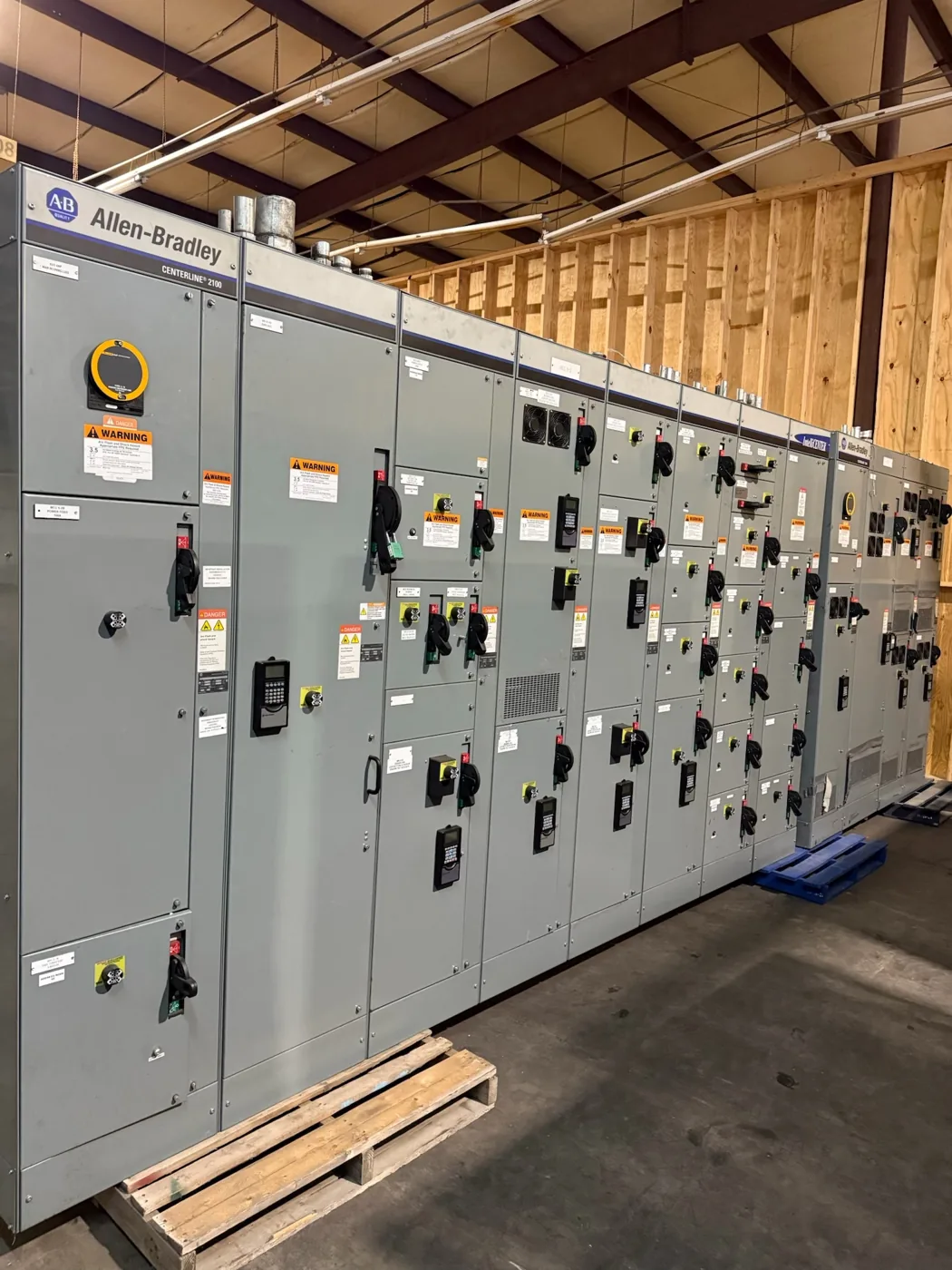
Take clear photographs of exterior labels and nameplates that are already visible. When readable, note details such as manufacturer, model or catalog number, voltage class, current rating, and section designation. These identifiers can help distinguish similar-looking equipment and connect records to the right unit. If a plate is missing or illegible, mark that limitation. Never invent a rating or infer one from a neighboring cabinet.
An equipment schedule, asset record, or decommissioning document may add useful context if you already have it. Organize images so each can be matched to a section, breaker, or storage location. Keep observed facts separate from information copied from old paperwork, especially if the records may refer to a previous configuration. The goal is a coherent description for review, not a new engineering assessment.
Report Status and Known Condition
Describe whether the switchgear is operating, out of service, disconnected, in storage, or awaiting decommissioning, using only information you can confirm. Mention visible damage, missing parts, incomplete sections, or signs of prior removal. If the operating history is unknown, state that plainly. A limited but accurate account helps reviewers assess what is being offered without suggesting that uncertain condition has been verified.
You do not need to test the equipment to request a quote. Existing records can be shared, but sellers should not open equipment or approach energized parts to collect more information. Electrical handling and disconnects must be performed by qualified personnel following applicable safety procedures. The buyer handles that work. If a shutdown date or removal window is not final, describe it as tentative so it is not mistaken for a firm commitment.
Explain Site Access Before Removal
For equipment in Burbank, describe its actual position in the building or site rather than relying on the city alone. Note the floor, room, or outdoor area when known, and summarize the route to the loading point. Relevant constraints may include narrow passages, sharp turns, stairs, elevators, ramps, overhead limits, or limited staging space. Share observations already available; do not move equipment or undertake risky measurements to complete the description.
Access rules can matter as much as physical dimensions. Mention visitor procedures, escorts, scheduled entry, loading dock availability, and any work-hour restrictions the site has communicated. The buyer handles rigging and logistics, including crane, rigging, disconnects, loading, freight, and hauling at its expense. This does not authorize unqualified electrical work. Let the reviewer know what site coordination is required so removal planning can be considered responsibly.
Make a Complete, Actionable Request
Send a short summary that brings together the surplus reason, inventory or approximate count, nameplate photographs, known equipment status, visible condition, and access requirements. Include any relevant documents already available and identify unknowns explicitly. If several pieces are involved, label each image or record by location so the reviewer can tell which item it describes. You can request review without completing a test or claiming that the equipment meets a particular condition standard.
A quote depends on review of the equipment and does not guarantee a valuation or eligibility. The business buys used and surplus switchgear across voltage classes, including equipment from decommissioned data centers and shut-down power plants. It makes cash offers and pays upfront, while sellers are not required to test equipment. The buyer pays for and handles rigging and logistics. After sharing available facts and coordinating access, the seller does nothing but get paid.