THE BUYER'S GUIDE / CALIFORNIA
Sell Surplus Switchgear in Santa Clarita, CA
Plan Around the Equipment, Not the Calendar
When a facility in Santa Clarita is changing its electrical layout or clearing equipment, surplus switchgear can become a practical asset to review rather than an item to move without a plan. Before arranging removal, identify what is present, where it sits, and what is already known about its condition. Those details help a buyer review the equipment and determine whether to make an offer, without requiring the owner to arrange electrical testing.
If you want to sell surplus switchgear in Santa Clarita, CA, begin with the equipment itself rather than an assumed price or removal date. The business buys used and surplus switchgear across all voltage classes, including equipment from decommissioned data centers and shut-down power plants. A quote depends on reviewing the available information, so a clear description and photographs can make the initial conversation more useful.
Describe What the Nameplates Show
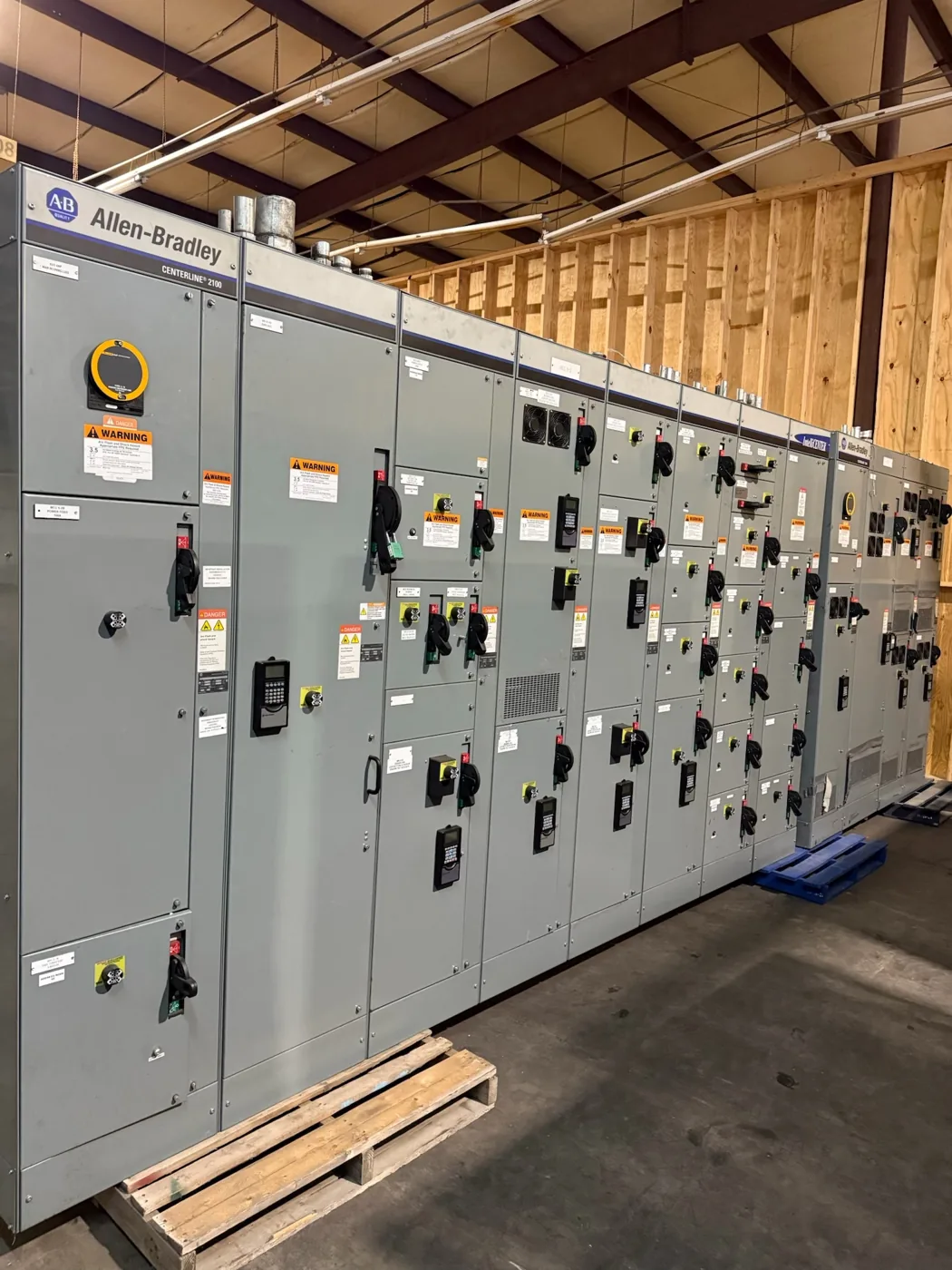
Photograph each accessible nameplate so the information can be read, and include wider views showing the equipment lineup or individual sections. The labels may identify manufacturer, model, voltage class, current rating, or other design details. Do not guess at values that are obscured or missing; simply say which information cannot be read. Accurate identification helps distinguish similar-looking equipment and gives the buyer a basis for review.
Explain whether the switchgear is surplus following a replacement, a facility closure, a system change, or another known event. Share what you know about whether it remains installed, has been disconnected, or is already staged for removal. If the condition is uncertain, describe it as uncertain. You are not required to test equipment, and you should not energize or open electrical equipment to obtain details; qualified personnel must handle electrical work under applicable safety procedures.
Make Condition Useful to Review
Condition information is most helpful when it separates observed facts from assumptions. For example, you can report that a section is visibly dented, that a door is missing, or that the equipment was last known to be in service, while making clear if no current operating information is available. If inspection records, maintenance documents, or prior descriptions already exist, you may share them for review. Creating new test results is not a condition of requesting an offer.
Where available, mention whether the lineup appears complete and whether related components are included or being retained. A photo of the overall arrangement can help show how sections relate to one another, while close views can clarify labels and visible damage. Avoid dismantling parts or removing covers for photographs. A buyer can assess the information supplied and ask follow-up questions; the owner can answer from existing records and observations without taking on technical work.
Prepare Access Details Before Removal
Access information matters because removal planning depends on the route from the equipment's current position to a loading point. Describe the building level, doorway or corridor constraints, loading access, and any known need for a crane or other rigging. Note restrictions such as limited vehicle access or scheduled facility windows if you already know them. These are planning details, not a request for the seller to perform disconnects or move heavy equipment.
The business handles rigging and logistics at its expense, including crane, rigging, disconnects, loading, freight, and hauling. Electrical handling and disconnects belong to qualified personnel following applicable safety procedures, and the buyer handles that work. The seller does not need to arrange a carrier or perform the removal. Providing accurate access details early helps the buyer consider the practical scope alongside the equipment information.
Request a Review and Quote
For a useful quote request, bring together the Santa Clarita location, nameplate photographs, a brief equipment description, known condition, and any existing records you wish to share. Add the equipment's present status and the access limitations you can identify. If several lineups or sections are involved, indicate which photographs and notes correspond to each. This organization helps prevent confusion and lets the buyer ask focused questions about the actual surplus equipment.
State whether the equipment comes from a decommissioned area, a completed replacement, or another change, and mention any target removal considerations without treating them as guaranteed dates. The business makes cash offers and pays upfront; the seller does nothing but get paid once a transaction is agreed. No testing is required. A quote is based on review, so share what is known, identify what remains uncertain, and wait for the buyer to assess the information before making removal arrangements.