THE BUYER'S GUIDE / CALIFORNIA
Used Switchgear Buyers in Los Angeles, CA
Describe the Equipment Before Judging Its Value
When arranging a review of used switchgear, a clear description is more useful than an early guess about what it might be worth. Equipment owners seeking used switchgear buyers in Los Angeles, CA can begin by recording what is visible, where the gear is installed or stored, and whether it remains connected, has been disconnected, or is already staged. These details help establish the scope of a quote review without asking anyone to test the equipment or assume that a particular condition guarantees a purchase.
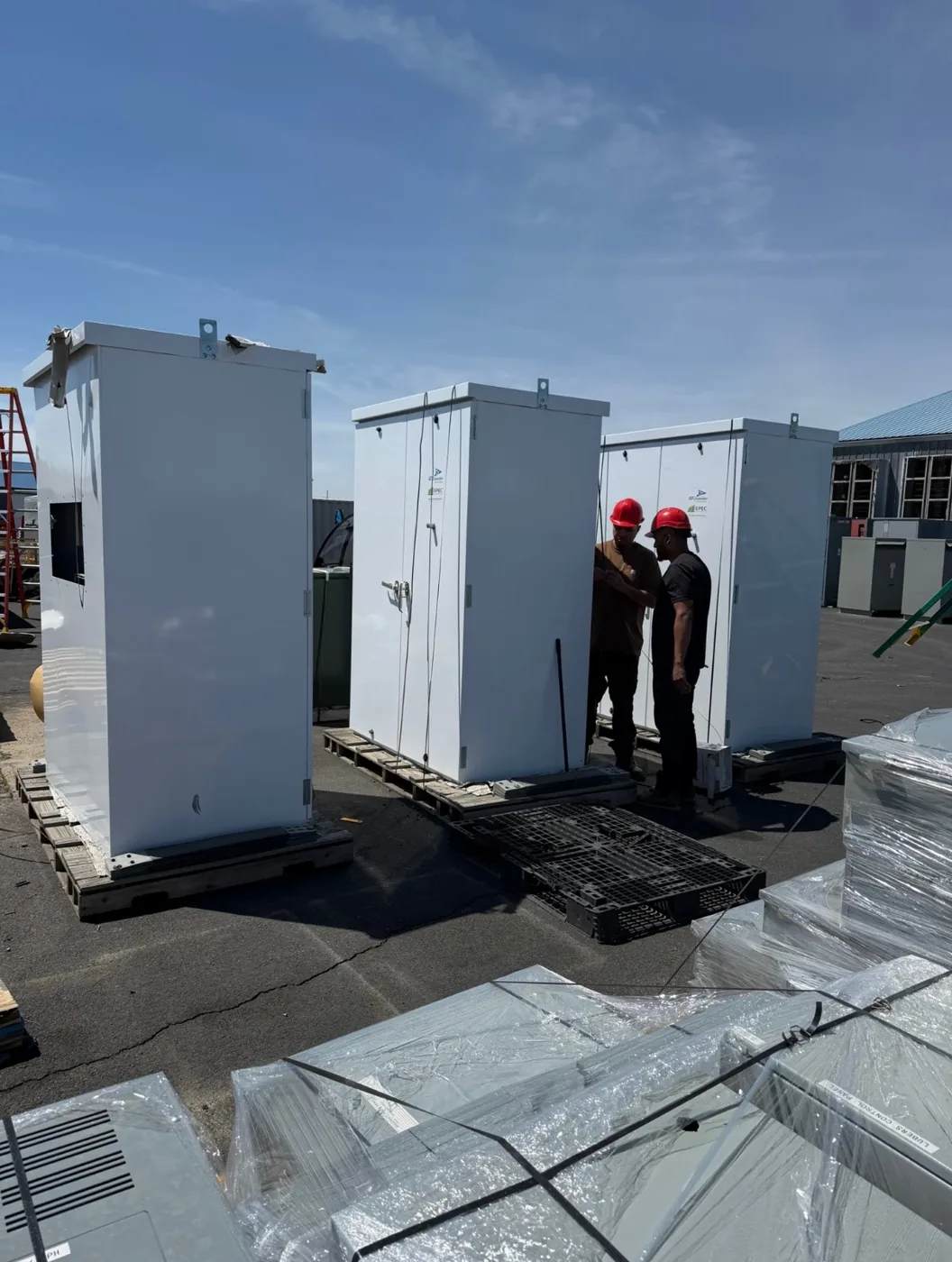
Switchgear is a broad category, so identify the equipment as accurately as available records allow. Share manufacturer and model information, voltage class, approximate lineup or section count, and any readable nameplate details. Photographs of labels, cabinet fronts, side views, and the surrounding lineup can help distinguish individual sections and show how equipment is arranged. If a label is missing, obscured, or unreadable, say so plainly rather than filling gaps with an estimate.
Explain Condition Using Existing Information
A useful condition description separates known facts from things that have not been checked. Note whether the equipment is installed, disconnected, stored indoors, or exposed to the elements, and describe visible damage or missing components if you have observed them. Mention whether drawings, maintenance records, or an inventory are available. Such information gives a reviewer context, but it does not require the seller to perform inspection work, open energized equipment, or arrange electrical testing.
If the gear came from a facility that is closing, being renovated, or changing its electrical arrangement, explain that background briefly. The reason for removal can clarify whether the equipment is part of a complete lineup or a selection of sections. Include known accessories, breakers, control components, or spare parts only when you can identify them; do not assume that something is included merely because it appears nearby. A quote depends on review of the specific equipment and the information provided.
Plan for Removal and Site Access
Location affects how a removal can be coordinated, even when the equipment description is complete. For a Los Angeles property, describe the building or site area in practical terms, such as a basement electrical room, loading level, exterior pad, or warehouse bay. Explain the route from the equipment to an available loading point, including known stairs, narrow doors, elevators, restricted corridors, or other constraints. Photos of the route and equipment surroundings can help reveal questions that a short inventory cannot answer.
Share any known limits on vehicle access, loading hours imposed by the property, security procedures, required escorts, or coordination with a facility manager. Do not arrange electrical disconnects yourself or have unqualified people handle electrical equipment. Disconnects and electrical handling belong to qualified personnel following applicable safety procedures; the buyer handles the required disconnects and the rigging and logistics, including crane, loading, freight, and hauling, at its expense. Describe site requirements so those arrangements can be considered.
Request a Review With Actionable Details
To request a quote, send a concise inventory, readable nameplate photographs where available, an honest account of known condition, and the equipment's current location. Add the removal context and access notes, plus any drawings or records that already exist. If there are unanswered questions, identify them rather than delaying the request to obtain tests. The business buys used and surplus switchgear across all voltage classes, including equipment from decommissioned data centers and shut-down power plants, and makes cash offers with payment upfront when a purchase is agreed.
A review is not a guaranteed valuation or promise that every item will be eligible; the quote depends on examining the equipment information and circumstances. Owners do not have to test the switchgear to request consideration. If the equipment is selected for purchase, the buyer handles rigging and logistics, including crane, rigging, disconnects, loading, freight, and hauling at its expense. The seller's role is to share available information and coordinate access, then get paid under the agreed arrangement.