THE BUYER'S GUIDE / CALIFORNIA
Used Switchgear Buyers in Lancaster, CA
Review Information Before Planning Freight
A useful first step when seeking used switchgear buyers in Lancaster, CA is to gather enough information for a review before discussing freight arrangements. Equipment identity, condition, and current location help a buyer understand what is being considered; access details then help frame removal logistics. This order avoids planning a shipment around assumptions about the equipment or its suitability for a particular transaction. An offer depends on reviewing the available facts.
Switchgear made surplus during a decommissioning or facility change may remain installed for a time, or may already have been moved into storage. Say which situation applies, based on what you know. The business buys used and surplus switchgear, including equipment from decommissioned data centers and shut-down power plants. No seller is required to test equipment to request a quote, and no particular price or eligibility should be assumed before the buyer reviews it.
Connect the Equipment to Its History
Briefly explain how the switchgear became available. It may have remained after a replacement, been included in a facility closure, or been identified during a broader decommissioning. If the equipment came from a data center or a shut-down power plant, share that only if you have reliable knowledge of its origin. A straightforward history helps place the equipment in context without making claims about how it was used or what condition it is in today.
Clarify the present status: still installed, disconnected, removed, or in storage. Separate that status from operational condition, which may not be known. If existing records identify a last service date or describe previous work, you may share those records, but do not infer a current condition from an old entry. A buyer can ask follow-up questions about the information provided. You need not produce fresh test data or arrange an inspection before asking for a review.
Identify Ratings From Available Records
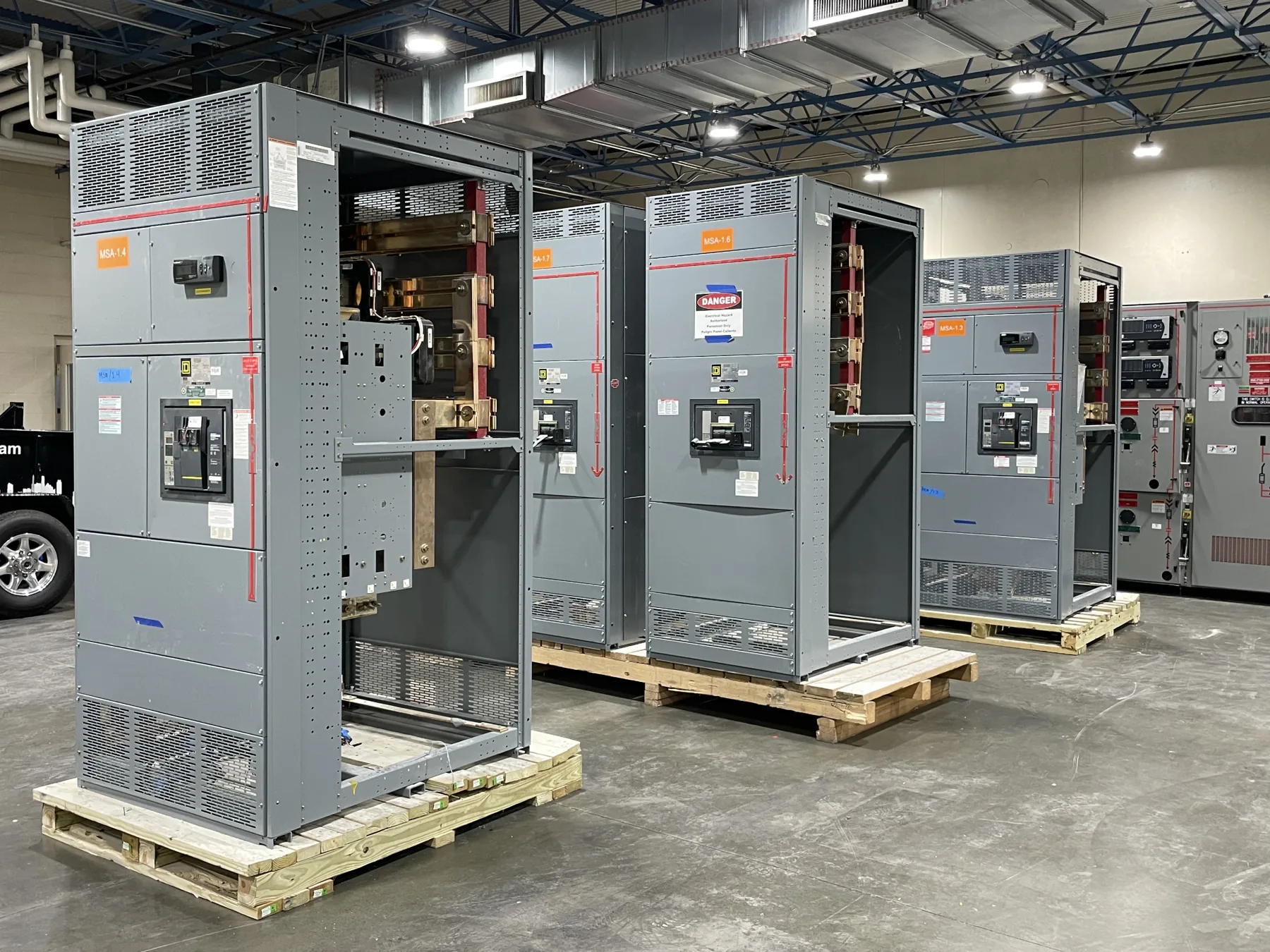
Photograph accessible nameplates clearly and include a wider image that shows the complete lineup or the individual sections being offered. Existing labels may identify manufacturer, model, voltage class, and other ratings. Use the wording that is actually visible, and note when part of a label cannot be read. This matters because equipment with a similar appearance may have different identifying details, while an inaccurate rating could mislead the initial review.
If several sections are present, label the photographs in a consistent way and explain what appears to belong together. Mention whether components are included, excluded, or unknown, and describe visible condition without removing covers or disturbing wiring. Any inspection information already held by the owner can be shared as background. Do not handle energized equipment or attempt electrical work for photography; qualified personnel must carry out electrical handling under applicable safety procedures.
Explain Condition and Site Access
A useful condition summary distinguishes what someone can observe from what remains unverified. For example, note visible cabinet damage, missing doors, or incomplete sections if those details are known, then state when operating condition has not been confirmed. Avoid calling equipment operational merely because it was once installed. The buyer's review can account for gaps, and the seller can answer questions using existing knowledge rather than taking on testing.
Describe where the equipment is in Lancaster and the route that would matter for removal: floor or room, corridor access, loading area, and known vehicle or clearance limits. Mention whether crane or rigging access may need consideration if you already know the site layout. The business handles rigging and logistics at its expense, including crane, rigging, disconnects, loading, freight, and hauling. Sellers do not need to arrange those services or move the equipment themselves.
Make a Focused Request
To request a quote, provide the Lancaster location, equipment photographs, available nameplate details, a short decommissioning or surplus history, known condition, and current status. Add any existing records that help clarify identity or past service, and list access constraints that could affect planning. If one detail is missing, explain that rather than holding back the entire request. Clear distinctions between confirmed facts and unknowns make a review more efficient and reliable.
The business buys all voltage classes and makes cash offers, with payment upfront when a transaction is agreed. A quote is not guaranteed before the equipment is reviewed, and exact timing should not be presumed. Testing is not required. Qualified personnel handle electrical disconnects and other electrical work under applicable safety procedures, while the buyer manages rigging and logistics at its expense. The seller's practical task is to share accurate information and then get paid if an offer is accepted.