THE BUYER'S GUIDE / CALIFORNIA
Sell Warehouse Surplus Electrical Equipment in California
Group Surplus Before a Warehouse Change
A facility change can leave electrical equipment scattered among storage rows, service areas, and staging locations. Start by grouping the surplus by manufacturer and model where that information is available, then note quantities and storage conditions. This structure makes a mixed warehouse inventory easier to understand without requiring anyone to inspect or test the equipment.
If manufacturer or model details are missing, keep those entries together as unidentified equipment and describe their appearance or storage location. Avoid guessing at specifications. A simple record of cabinet count, loose components, and whether items are grouped as complete units can prevent confusion when the inventory is reviewed.
For sellers who want to sell warehouse surplus electrical equipment in California, an organized list is more useful than a general estimate of what may be in storage. It shows what is actually being offered, where it is held, and which details remain unknown. The buyer can review that information without requiring a test.
Describe Equipment and Storage
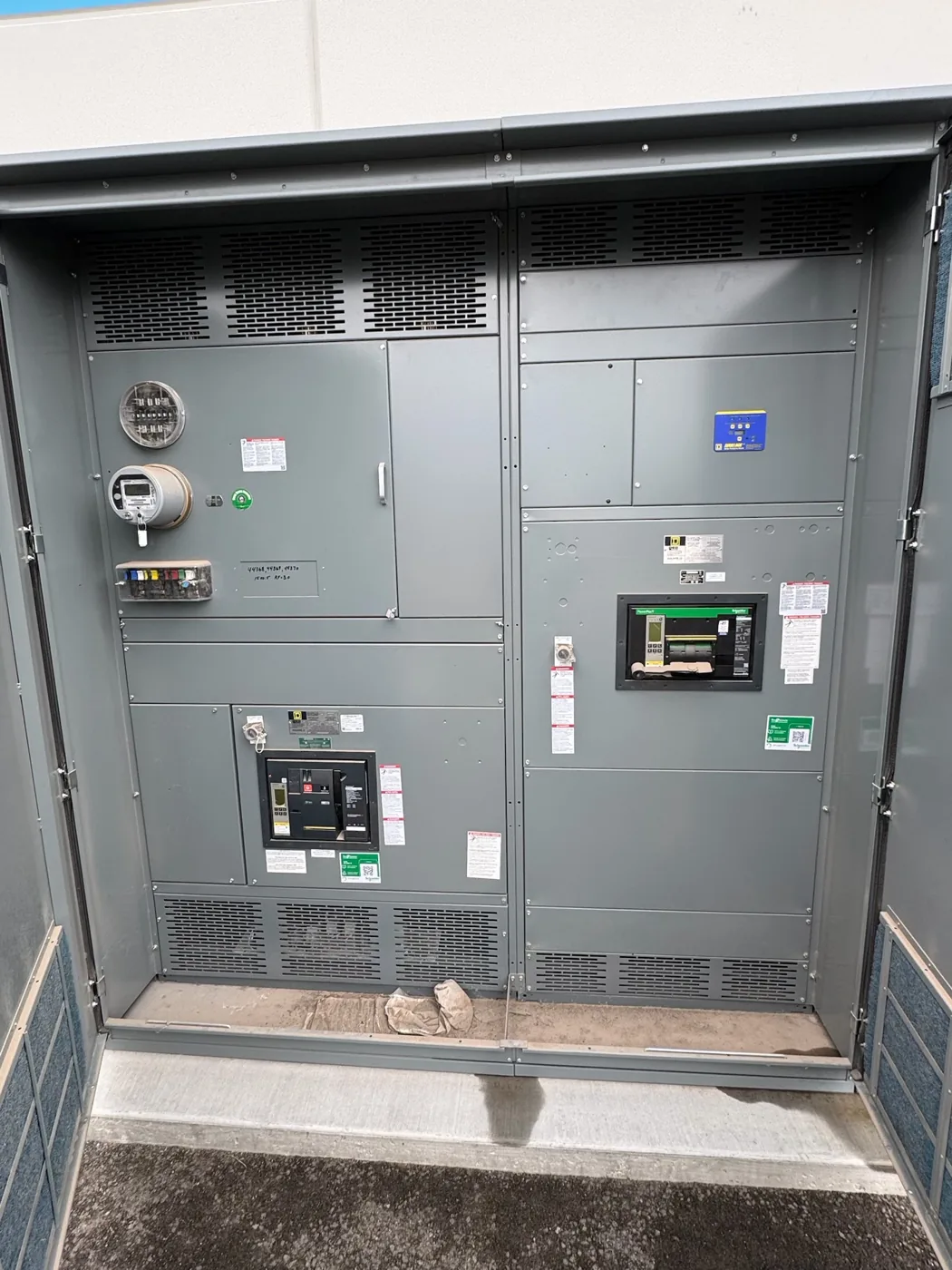
For each inventory group, provide equipment type, quantity, manufacturer, and model when known. Include voltage class only if it appears in existing records or can be obtained safely by qualified personnel. Distinguishing switchgear from breakers, switchboards, or other electrical assemblies helps the buyer understand the form of the surplus rather than relying on a broad category.
Storage conditions matter because warehouse items may be indoors, outdoors, covered, or exposed to ordinary site conditions. State what the seller can observe, such as packaging status, visible cabinet damage, or separated parts. These are descriptions, not technical assessments, and the seller should not open equipment or energize it to answer questions.
Existing asset schedules or safely taken photographs may add useful context. If labels cannot be read without handling equipment, simply mark the information unavailable. Testing is not a prerequisite to a review. The business buys all voltage classes, so a seller may submit a varied or partly unidentified inventory without inventing details to make it appear complete.
Clarify Ownership and Release
Warehouse surplus may have been set aside during a site move, maintenance change, or decommissioning. Explain briefly why the equipment is available and confirm which items are approved for release by the person with authority. If any units are still reserved for operations, repairs, or another destination, separate them from the offered group.
Note whether the equipment is stored in one area or spread across several parts of the facility. Identify each storage location clearly enough for an authorized reviewer to find the inventory. If quantities are estimates, label them as estimates and explain which groups still need confirmation rather than presenting uncertain counts as exact.
A clear release status helps avoid wasted coordination and keeps the review focused on assets the seller can offer. The business buys used and surplus switchgear, including equipment from decommissioned data centers and shut-down power plants. The seller should describe the actual warehouse inventory rather than assume that a particular origin guarantees a quote.
Share Access and Handling Context
For logistics, describe where the equipment is stored, the route to the loading area, and any known access restrictions. Mention whether items are on a particular level or positioned where lifting access may be limited, if that information is known. Accurate context helps the buyer consider the work without asking the seller to move or prepare the equipment.
The buyer handles rigging and logistics at its expense, including crane, rigging, disconnects, loading, freight, and hauling. The seller does not arrange those services. Provide the name or role of the authorized facility contact through the normal quote process, along with the site rules that apply to access, so coordination can occur appropriately.
Do not disconnect, dismantle, or handle electrical equipment to facilitate a sale. Electrical work belongs to qualified personnel following applicable safety procedures, and the buyer handles disconnects. If equipment is already loose or separated, state that fact in the inventory. This distinction helps describe what is present without suggesting that the seller undertake additional work.
Submit an Inventory for Review
A practical quote request can be concise while still covering the essentials: grouped manufacturer and model details, quantities, equipment types, storage conditions, and exact warehouse locations. Add available records or safely obtained photographs if useful. Explain any unknown information plainly instead of delaying the inquiry to conduct tests or create technical documentation.
Include release status and access context, especially if the inventory spans multiple buildings or storage areas. The buyer needs to review the equipment before determining a quote. An inquiry does not guarantee a particular valuation, eligibility, or timing, so share information as accurately as possible and identify estimates as estimates.
The business makes cash offers and pays upfront for used and surplus switchgear. The seller does nothing but get paid, while the buyer handles the associated rigging and logistics at its expense. A grouped, location-specific inventory gives the review a clear starting point for warehouse surplus in California.