THE BUYER'S GUIDE / CALIFORNIA
How to Photograph Electrical Equipment Nameplates for Sale
Plan Safe, Useful Equipment Photos
When preparing electrical equipment for a sale review in California, plan photographs around safe access and permission, not around getting every detail at any cost. A clear image can help identify a switchboard or related switchgear, but no photograph is worth entering a restricted space, touching equipment, or approaching energized parts. Photograph only from a position you are authorized to occupy and can reach safely.
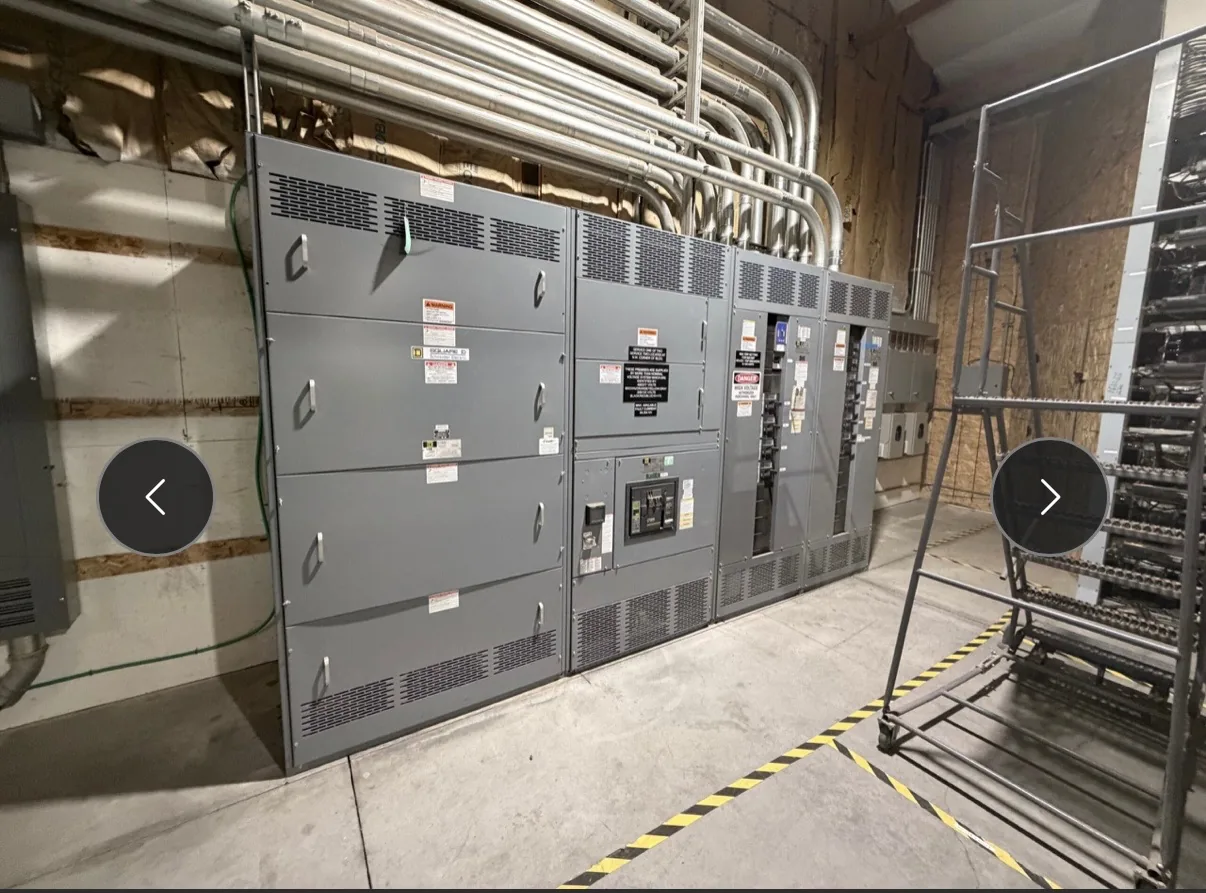
Start with the overall equipment rather than a close-up. A wide view can show whether the subject is a single cabinet, a lineup of sections, or part of a larger installation. Take the image from an ordinary safe vantage point, keeping people, confidential information, and unrelated site details out of frame where possible. If access is limited, explain that limitation instead of trying to overcome it.
Photos are useful information for a buyer reviewing used or surplus switchgear, but they do not replace a complete equipment description or guarantee an offer. The buyer purchases equipment across all voltage classes, makes cash offers, and pays upfront after review. Sellers do not need to test equipment. A quote depends on the equipment and information considered, not on a photograph alone.
Capture Nameplates Without Guessing
If a nameplate is visible from a safe and permitted position, frame it so the plate fills enough of the image to read. Hold the camera steady, avoid glare where possible, and take more than one image if the first is blurred. Do not remove a cover, move a barrier, or touch the equipment to improve the view. A partially readable plate is still preferable to unsafe access.
Share only information that can actually be read or confirmed. A plate may identify a manufacturer, model, ratings, or other particulars, but do not invent values when text is faded or obscured. If a character is uncertain, say so. The reviewer can consider the photo alongside written descriptions and existing records, rather than treating a guessed digit as confirmed equipment data.
Take separate images of distinct visible plates when doing so is safe. If several sections appear to have different labels, photograph each from a safe position and describe which section it appears to belong to. Do not assume that a plate applies to every cabinet in a lineup. When you cannot tell which section a label identifies, keep that uncertainty in the description.
Show the Assembly and Its Scope
An overall lineup photograph can help establish how many sections appear to be included and how they are arranged. If the proposed sale covers only part of the lineup, explain the boundary in words and, if permitted, identify the relevant section without marking or altering equipment. The image should support a clear scope, not replace confirmation from the owner or project representative.
Photograph visible doors, labels, or external components only when safely accessible. Avoid opening equipment or moving parts to expose internal details. Existing drawings, asset records, or a written inventory may clarify configuration more reliably than an improvised close-up. Share those materials only if authorized, and identify them as records rather than conclusions if their meaning is uncertain.
For equipment from a decommissioning project, keep the photo set connected to the planned release. Note whether the equipment is still installed or already stored, if known, and whether the image represents the entire offered assembly. Decommissioning does not itself prove the seller owns the gear or can release it. Confirm who has authority to approve sale and removal before making commitments.
Respect Site Rules and Removal Conditions
Follow the site’s photography and access rules, including any restrictions on recording sensitive areas or facility information. Do not include documents, screens, access controls, or identifying details that should remain private. If photography is not permitted, provide a written description or authorized records instead. The buyer can review what the seller is able to share; obtaining a photograph is not a condition for testing or sale.
A photo cannot establish that an electrical room is safe to enter or that equipment is de-energized. Never work on energized equipment. Electrical handling and disconnects belong to qualified personnel following applicable safety procedures. Do not remove a barrier, approach exposed conductors, or ask unqualified staff to make equipment accessible for a picture.
A useful logistics image may show a doorway or route only when site rules allow it and the location can be photographed safely. A written note about access restrictions, staging space, or a known loading constraint may be more appropriate. The buyer handles rigging and logistics at its expense, including disconnects, loading, freight, and hauling; the seller does not need to prepare equipment or arrange those services.
Send a Focused Quote Request
When sharing images, label them in plain language, such as overall lineup, visible nameplate, or section view. Pair them with the number of sections believed to be included, any readable identification, the equipment’s known status, and gaps in the available information. Include the owner or authorized contact’s approval status and the expected release date if known. Do not present uncertain details as established facts.
Ask the buyer to review the equipment and provide an offer based on the information available. A useful request explains whether additional records exist and what access or timing constraints may affect removal. No test report is required. If no safe photograph of a plate can be taken, state that directly and share other information the seller can provide without handling the equipment.
The business buys used and surplus switchgear, including equipment from decommissioned data centers and shut-down power plants, across all voltage classes. It makes cash offers and pays upfront; the seller does nothing but get paid after the agreed sale. The buyer handles rigging and logistics, including crane, rigging, disconnects, loading, freight, and hauling at its expense. Any electrical work must be done by qualified personnel under applicable safety procedures.