THE BUYER'S GUIDE / CALIFORNIA
Sell Electrical Equipment From a Canceled Project in California
Revisit the Project’s Surplus Assets
When a project is canceled, electrical equipment intended for a future installation may remain unused, partly installed, or stored for an indefinite period. If you want to sell electrical equipment from a canceled project in California, first separate the equipment that is available from items still committed to another purpose. The project’s cancellation does not itself establish what the equipment is or what it is worth.
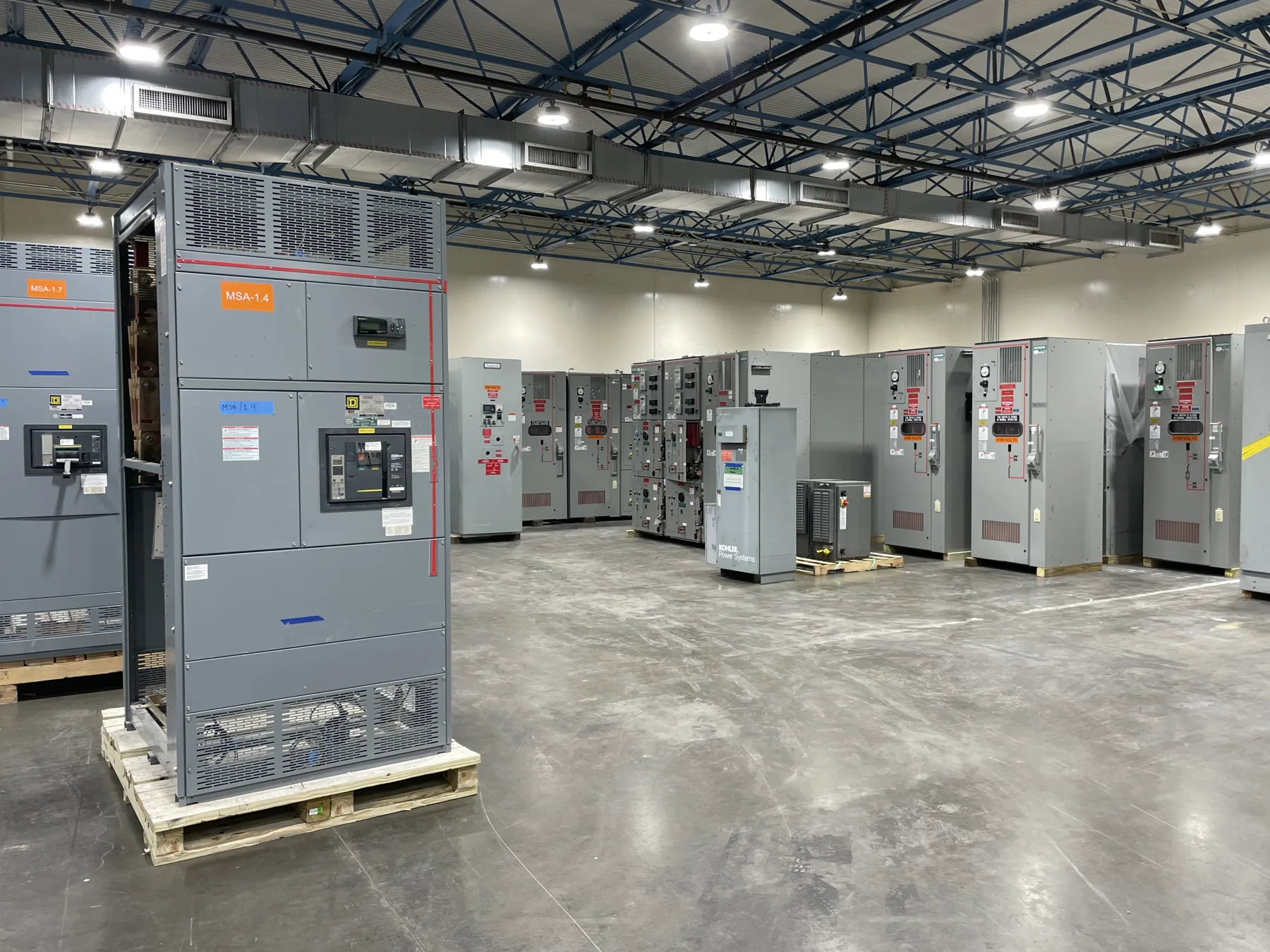
The assets may be surplus switchgear or related electrical equipment, but the original project specification is not proof that every listed item is physically present. Compare available records with what can be safely observed, and note any differences. Describe whether items remain at a job site, are in a warehouse, or have been moved elsewhere, using the actual current location.
The business buys used and surplus switchgear and makes cash offers after reviewing equipment. It pays upfront and does not require sellers to test. You can request a review with the project documents and observations already available; there is no need to complete a new performance assessment before asking whether the equipment may be considered.
Establish What Can Be Sold
A canceled project can involve several parties, such as an owner, contractor, electrical subcontractor, equipment purchaser, or storage provider. Before requesting a quote, identify who owns the equipment and who has authority to approve a sale. If approval is pending, say so. Clear authority helps prevent a review from being mistaken for permission to transfer assets.
Create a preliminary list of available items, including quantities, equipment types, known manufacturers, model references, and voltage class when supported by a label or record. Separate confirmed items from those that appear in a purchase order but have not been located. If multiple storage locations are involved, associate each item or group with its current location.
Project records can explain the intended configuration, while photographs can show the present equipment. Neither should be treated as conclusive when they conflict. Note missing or uncertain information instead of inventing nameplate details. This distinction is especially useful when some equipment was delivered, some was installed, or the project stopped before its inventory was reconciled.
Describe Storage and Present Condition
Tell the buyer whether the equipment is still installed, disconnected, crated, or otherwise stored, if that status is known. Describe observable condition rather than making unsupported claims about operation. If packaging is present, note whether it appears intact or has been opened. Mention known missing components or visible damage without assuming what may be inside an enclosure.
Useful documentation may include purchase records, packing lists, project schedules, equipment submittals, drawings, and decommissioning notes. Share only the records that actually exist and explain when they describe the project design rather than the final delivered configuration. A document can provide a helpful cross-reference, but the buyer still reviews the equipment itself before making an offer.
Testing is not required to request a review. Do not energize or open equipment to gather information for a sale. Any electrical inspection, handling, or disconnect must be performed by qualified personnel following applicable safety procedures. The buyer handles disconnects and logistics; sellers can provide known condition details and available documents without undertaking technical work.
Prepare for Access and Removal
Storage conditions affect how equipment can be moved, so describe the route from its present position to the loading area. Share known dimensions, level changes, door or corridor constraints, dock access, and any site restrictions. If equipment remains at a project site, explain whether access is controlled by an owner, property manager, or other party, without assuming access will be available.
If the equipment is in a warehouse or storage facility, identify the actual location for each group and any rules that could affect a pickup. Facility check-in, vehicle limitations, scheduling procedures, or restricted areas matter only if they apply; provide them as known facts. Measurements can be approximate when clearly labeled, and unknown dimensions need not be guessed.
The buyer handles rigging and logistics at its expense, including crane work when needed, rigging, disconnects, loading, freight, and hauling. The seller should not attempt electrical disconnection or move equipment to make it easier to sell. Qualified personnel must handle electrical work under applicable safety procedures, with the buyer responsible for the logistics it undertakes.
Request a Review With Clear Authority
A strong request identifies the project as canceled, lists equipment believed available, and explains where it is now. Include quantities, manufacturers, equipment types, available project documents, photographs, known dimensions, and storage conditions. Keep estimates distinct from confirmed details. If the inventory is still being reconciled, say which items are confirmed and which remain uncertain.
State who owns the equipment and who can authorize a sale, or explain what approval remains outstanding. For assets spread across several locations, provide a separate description for each site and identify the person who can coordinate access. These details help the buyer understand the proposed lot and assess logistics, but they do not guarantee eligibility, a valuation, or a particular timeline.
The business buys all voltage classes of used and surplus switchgear, makes cash offers, pays upfront, and does not require sellers to test equipment. It handles rigging and logistics—including crane, rigging, disconnects, loading, freight, and hauling—at its expense. The seller does nothing but get paid; send the available facts for review and leave unknown specifications honestly unresolved.