THE BUYER'S GUIDE / CALIFORNIA
Electrical Contractor Surplus Equipment Buyer in California
Separate Confirmed Details From Unknowns
Electrical contractors closing a project may know exactly which switchgear is surplus while still having unanswered questions about condition, ownership records, or final disposition. When approaching an electrical contractor surplus equipment buyer in California, distinguish what your team has verified from what remains uncertain. A useful request does not need to overstate what is known.
Start with the equipment description available from labels, project records, or an inventory. Share the manufacturer and model only when they are visible or documented, along with equipment type, voltage class if known, and quantity. If a label is unreadable or a record is missing, say so rather than estimating. Accurate uncertainty helps a buyer review the equipment without treating guesses as facts.
Clarify whether the equipment belongs to your contracting business, a client, or another party, and who can authorize its sale. Project closeout timing also matters: explain when the equipment is expected to become available and whether the schedule is still provisional. These points help frame a quote request without implying that a particular value or purchase decision is guaranteed.
Build an Inventory That Supports Review
A surplus inventory is easier to assess when each item can be connected to a description and location. Group equipment by type or project area, and note quantities that your records support. Switchgear may include different configurations or components; avoid combining unlike items under one broad label when separate descriptions are practical. This reduces ambiguity during the initial review.
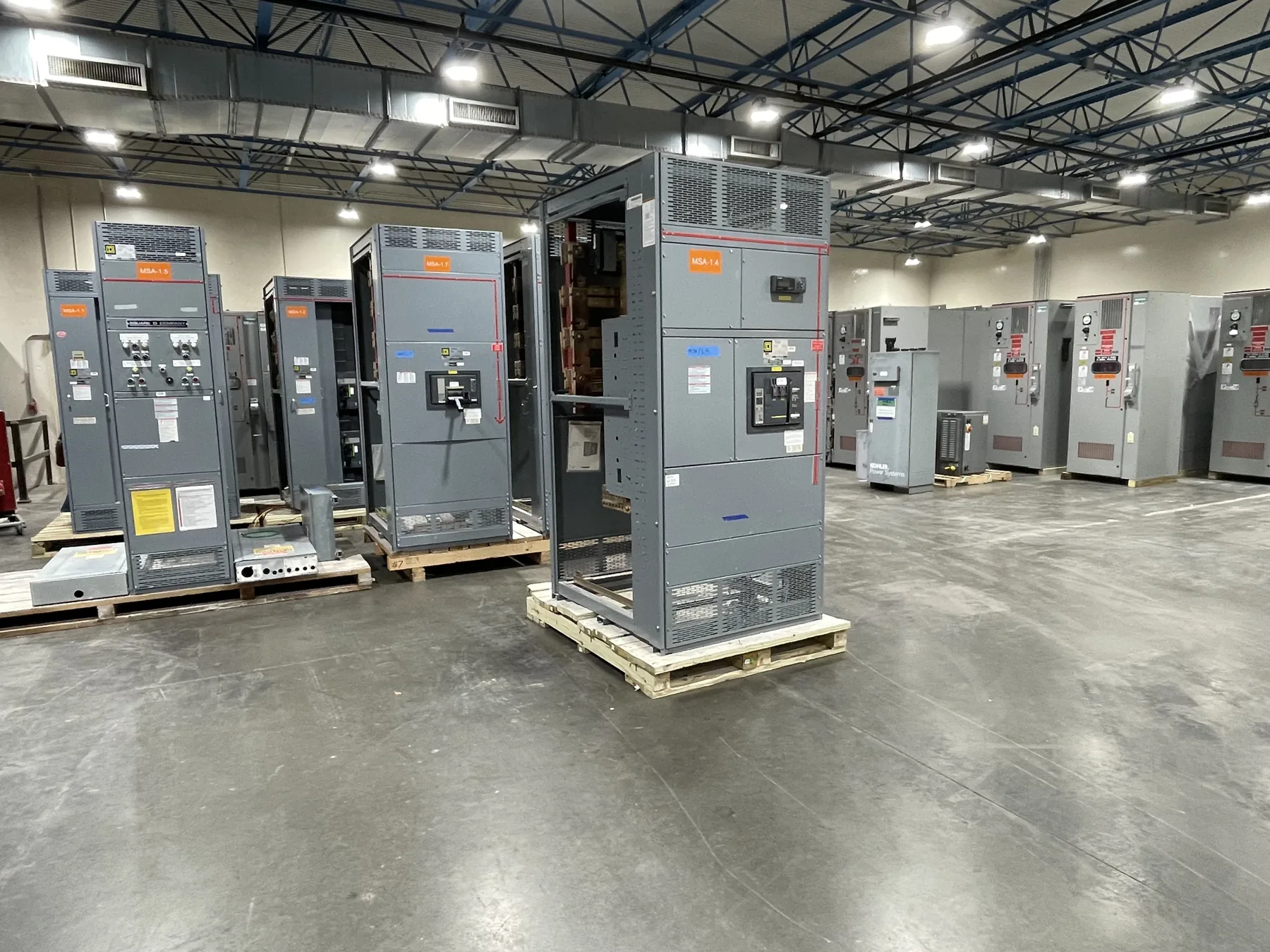
Photographs can help show overall configuration, labels, visible accessories, and how equipment is arranged, provided they can be taken safely. A contractor need not energize equipment, remove covers, or perform tests to provide useful information. If access is restricted or a label cannot be photographed, explain that limitation. The buyer can consider what information is available and ask follow-up questions.
For each group, share any records already at hand, such as equipment schedules, invoices, submittal information, or closeout inventories. These materials can clarify identity and ownership, but they do not replace an accurate account of what is physically present. Mention discrepancies between documents and the observed inventory openly. A clear record of uncertainty is more useful than a polished but unsupported specification.
Explain Project Closeout and Equipment Condition
Contractor surplus often becomes available as a project changes, reaches completion, or leaves materials unused. Describe the circumstances plainly: whether the equipment was installed, remained in storage, or was removed from a project, if that is known. Explain whether the entire lot is available or whether the owner plans to retain selected items. The distinction can affect how a buyer reviews the request.
Condition descriptions should stick to observations and records. You might report visible damage, missing components, packaging status, or known storage conditions, but avoid claiming that equipment works unless that has been established through existing information. Seller testing is not required. If no operational assessment exists, state that the condition is unverified and provide the records or photographs you have instead.
The buyer evaluates a quote request based on a review of the described equipment; neither a contractor nor a buyer should treat a preliminary description as a guaranteed valuation. Include whether the proposed inventory is complete, whether quantities may change, and when a final count could be confirmed. Those details make the review more grounded without asking your crew to create technical evidence.
Coordinate Safe Access and Removal
Before discussing removal, identify where the equipment is located and describe practical access constraints. Relevant information may include whether it is indoors, whether a loading area is available, or whether entry must be coordinated with a site representative. Do not assume that a buyer knows the layout or site rules from a California project location alone. Explain restrictions that could affect handling and scheduling.
Electrical handling and disconnects belong to qualified personnel following applicable safety procedures. The seller should not work on energized equipment or arrange unsafe access for photographs or inspection. The buyer handles the required rigging and logistics, including crane, rigging, disconnects, loading, freight, and hauling at its expense. Share known access requirements so those arrangements can be considered responsibly.
A contractor can make coordination smoother by identifying the person authorized to manage site entry and the party controlling the equipment. Include relevant work windows or closeout deadlines if known, while making clear when dates remain subject to change. The seller's role is to provide information and coordinate access; if a purchase is agreed, the seller gets paid upfront and does not arrange the removal work.
Request a Quote With a Clear Next Step
To request a review, send a concise description of the surplus, available records, photographs that can be taken safely, ownership details, quantity, and expected availability. Include the project or inventory reference your team uses, if helpful, but do not include confidential client information that is not needed. Explain which details are confirmed and which remain open. That gives the buyer a practical starting point.
The business buys used and surplus switchgear, including equipment from decommissioned data centers and shut-down power plants, makes cash offers, and pays upfront. It buys all voltage classes and does not require sellers to test equipment. A quote depends on reviewing the equipment, so avoid expecting a guaranteed valuation or promising that every listed item will receive a particular offer.
An actionable request can end by asking what additional information would help complete the review and describing when the inventory may be available. There is no need to invent a price expectation or perform testing before reaching out. Once the equipment has been reviewed and arrangements are established, the buyer handles the rigging and logistics at its expense. This allows contractors to focus on closing out the project and communicating accurate information.