THE BUYER'S GUIDE / CALIFORNIA
Electrical Equipment Buyer for California Facility Managers
Describe the Asset Without Guessing Its Value
A facility manager considering surplus switchgear may have reliable asset records but no basis for predicting what the equipment is worth. A facility manager electrical equipment buyer in California can review a clear description, while a seller should avoid turning an old book value or replacement cost into a promised resale figure. Begin with what the facility can verify and identify unresolved details plainly.
Record equipment type, quantities, manufacturer and model where documented, and voltage class if the information is available. Existing asset tags, nameplates, or maintenance records may help connect the physical equipment to facility records. Do not make up label information or infer specifications from appearance. If identification is incomplete, note that in the request and explain what source the available details came from.
Also establish who owns the equipment and who has authority to approve its sale. A facility may have internal approval, tenant, or ownership arrangements that affect availability. Explain whether the equipment is already surplus, awaiting a planned change, or subject to a decision. These facts help a buyer review the request without suggesting that a quote is automatic or that a particular valuation is assured.
Document Access, Availability, and Condition
Location within a facility can matter as much as the equipment description when planning a review and removal. Explain where the equipment is kept in general terms and share known access constraints, such as controlled entry or a limited loading route. You do not need to speculate about a site's suitability. The purpose is to help the parties identify questions that should be resolved before logistics are arranged.
Describe the condition through observations and records rather than unsupported conclusions. Note whether equipment appears intact, whether parts are visibly absent, and whether existing documentation records prior service or storage. If operating condition is unknown, say so. Sellers do not have to test equipment for a quote request, and facility staff should not energize equipment to produce photographs or prove functionality.
Availability should be specific enough to support planning but honest about uncertainty. State whether the equipment is ready for disposition, awaiting a shutdown or approval, or likely to become available during a broader project window. If dates depend on operational decisions, say that. A buyer can review the request and discuss next steps, but exact timing and a quote cannot be promised before the equipment is reviewed.
Use Existing Records Efficiently
Facility teams often hold useful information across asset-management systems, maintenance files, project documents, and equipment schedules. Share relevant records that already exist, especially when they help confirm identity, quantity, or ownership. Avoid assembling a new technical report solely to request a quote. A short explanation of how records relate to the equipment can prevent confusion when asset tags and physical labels differ.
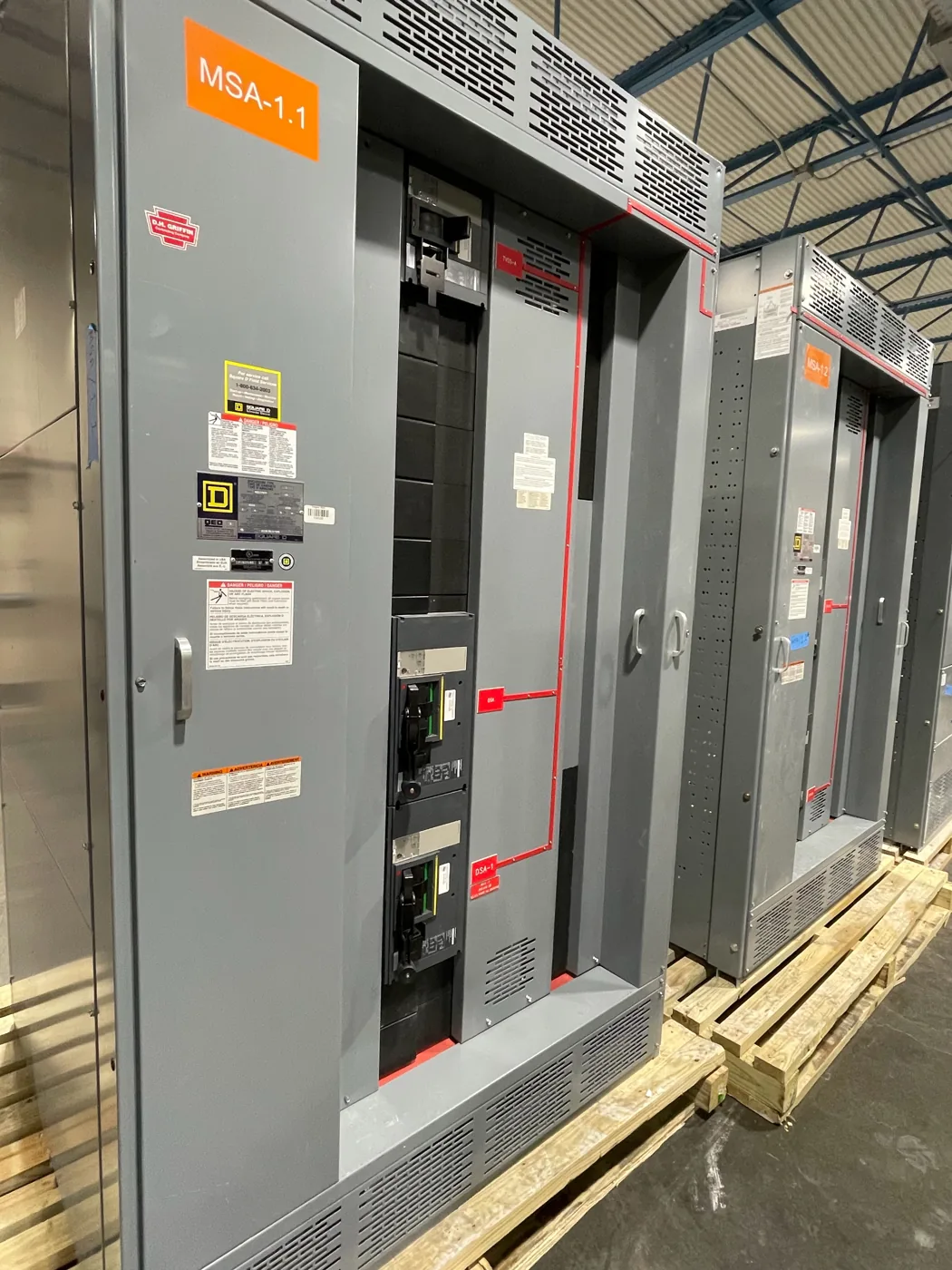
Photographs may show the cabinet exterior, visible nameplates, and surrounding access conditions. Take them only where safe and permitted; do not open equipment or approach energized components to improve an image. If the label is inaccessible, provide its recorded details and explain the limitation. A buyer can ask for clarification if needed, and the seller can respond with information already available.
Keep the inventory organized by equipment group and note whether listed items are all being offered or only a portion. This is especially useful when a facility plans to retain spares or is coordinating a phased change. Distinguishing available equipment from retained assets makes the request easier to understand and supports a more relevant review, without implying that records alone determine an offer.
Plan Safe Site Coordination
Facility access often requires coordination with personnel responsible for entry, operations, or building procedures. Identify the appropriate site contact and share any known requirements for scheduling a visit or removal. Do not disclose sensitive access information unnecessarily. The goal is to make practical constraints clear so the buyer can consider logistics alongside the equipment description.
Electrical handling and disconnects must be performed by qualified personnel following applicable safety procedures. No one should work on energized equipment for the purpose of documenting or selling it. The buyer handles rigging and logistics, including crane, rigging, disconnects, loading, freight, and hauling at its expense. Facility staff can explain access rules and availability without taking on those tasks themselves.
Useful coordination details include whether loading access is restricted, whether equipment is located above or below grade, and whether a facility process governs entry, when known. Do not assume a particular method will work; describe the constraints and let the removal plan be considered. The seller does nothing but get paid, while the buyer handles the required logistics at its expense.
Make a Practical Quote Request
A strong request brings together ownership, equipment descriptions, quantity, known condition, existing records, photographs where safe, availability, and access information. Identify unknowns rather than delaying the request until every detail is resolved. Ask what additional information would help with review. This gives the buyer a concrete basis for evaluating the equipment and gives facility staff a manageable next step.
The business buys used and surplus switchgear, including equipment from decommissioned data centers and shut-down power plants. It buys all voltage classes, makes cash offers, pays upfront, and does not require sellers to test equipment. The quote depends on a review of the equipment; no seller should treat an initial inquiry as a guaranteed price, eligibility decision, or exact timeline.
Facility managers can make the process more efficient by confirming who can authorize access and sale, and by keeping the inventory description consistent with available records. If the project schedule changes, update the buyer rather than presenting an outdated availability date as final. After review and coordination, the buyer handles rigging and logistics at its expense. A careful request supports an informed discussion without requiring the facility to make assumptions about value.