THE BUYER'S GUIDE / CALIFORNIA
Used Electrical Equipment Bulk Lot Buyer in California
Separate Known Facts From Open Questions
A California seller considering a used electrical equipment bulk lot buyer in California does not need to know every technical detail before asking for a review. Begin with what is clear: how many items or lineups are available, what types they appear to be, and where each lot is located. Label estimates as estimates and leave uncertain specifications open for review.
Bulk lots can combine switchgear sections, individual components, or equipment collected from more than one area. A count by type is more informative than one combined total because a buyer can understand the scope without assuming every item is identical. If quantities are approximate, note that a physical count has not been completed rather than presenting an uncertain number as exact.
The business buys used and surplus switchgear, including equipment from decommissioned data centers and shut-down power plants. It pays upfront and makes cash offers after reviewing the equipment. Sellers are not required to test anything; the purpose of an initial inventory is to describe what is available, not to certify performance or condition.
Build a Useful Lot Inventory
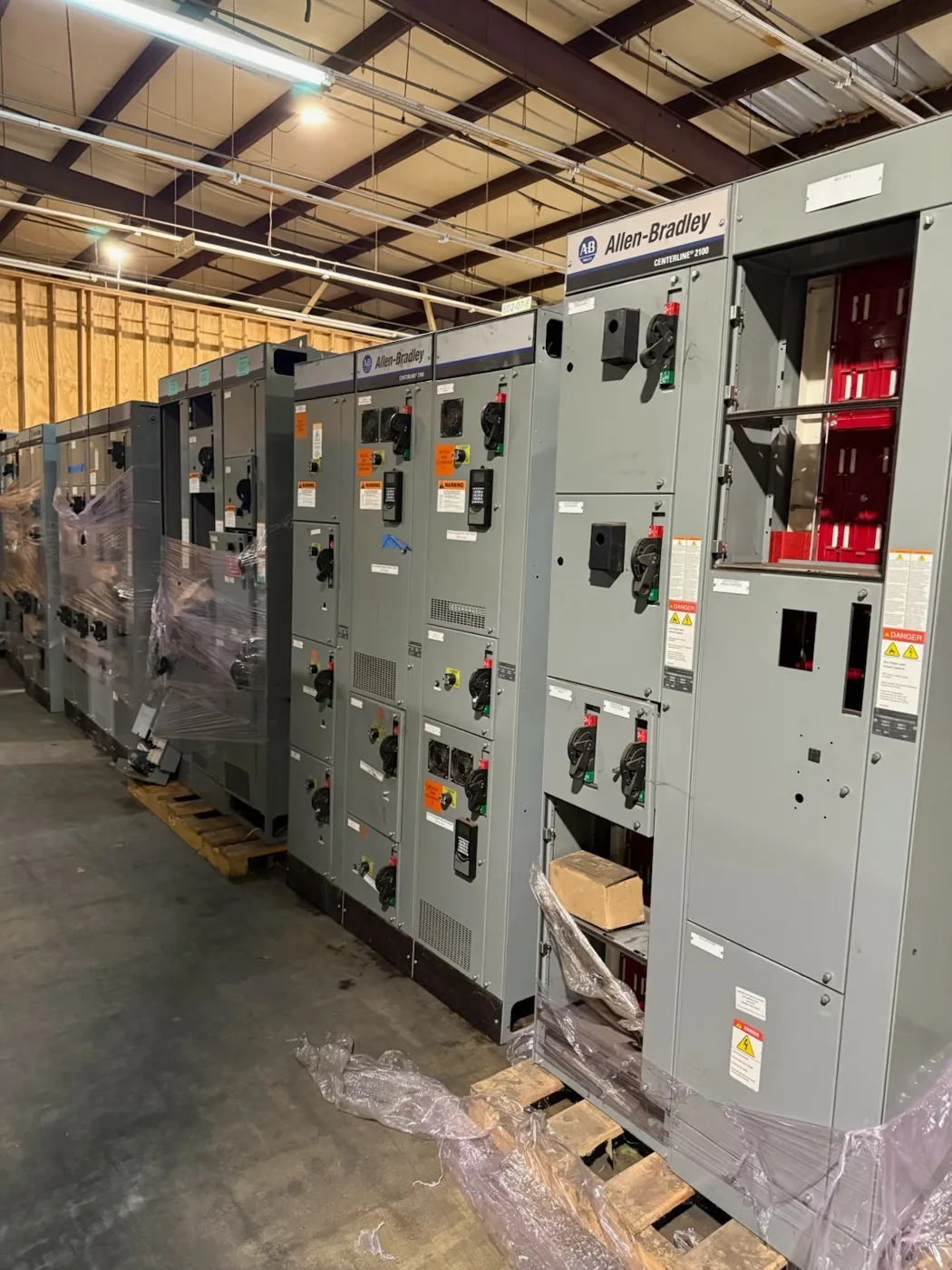
For each lot, provide the site or storage location, equipment category, quantity, and any visible manufacturer or model references. If several manufacturers are represented, separate the known groups where practical. Voltage class information can help describe the equipment, but do not infer it from appearance; share a label or record only when that information is available.
Explain whether the lot consists of complete switchgear lineups, partial sections, breakers, or other identifiable equipment. Use familiar descriptions and note when an item’s exact function is uncertain. If units are grouped together, distinguish what is physically present from what paperwork says should be present. The buyer can review the supplied facts without asking the seller to manufacture missing certainty.
Photographs can show the lot’s overall arrangement and accessible nameplates, while a spreadsheet or written inventory can make quantities easier to compare. Include dimensions if known, especially when items differ substantially in size. Do not open cabinets, energize equipment, or dismantle a lineup to improve a quote request; testing is not a prerequisite for review.
Explain Condition and Documentation Honestly
Condition descriptions are most useful when they report observable or documented facts. For example, state whether equipment is installed, disconnected, stored indoors, or staged for removal, if known. You may also mention visible damage or missing components that have already been noticed. Avoid claiming that equipment works or is complete unless that statement is supported by reliable information.
Available records may include inventories, drawings, purchase documents, maintenance notes, or decommissioning records. Share what exists and identify gaps. Documentation helps clarify the relationship between a listed item and the physical lot, but the seller need not create a new technical assessment before requesting a review. Unknown serial numbers, dimensions, or condition can simply remain unknown.
No seller testing is required. If someone must inspect, disconnect, or handle electrical equipment, that work belongs to qualified personnel following applicable safety procedures. Never work on energized equipment to gather information for a sale. The buyer handles disconnects as part of the logistics, while the seller describes existing observations and provides records that are already available.
Coordinate Several Locations and Loads
A bulk purchase may involve more than one storage area or facility. List each location separately and explain which equipment belongs to each lot, rather than combining everything under a single site description. This helps the buyer review the scope and understand that access, loading conditions, and restrictions may differ from place to place.
For each location, describe known loading access, equipment dimensions, staging status, and site restrictions. Note the presence of a dock, ground-level access, narrow routes, limited clearances, or facility check-in rules only when these details are known. Measurements and estimates can help assess handling needs; clearly identify approximate dimensions and avoid inventing weights or transport requirements.
The buyer handles rigging and logistics at its expense, including crane arrangements when needed, rigging, disconnects, loading, freight, and hauling. Site coordination still benefits from a clear contact or authorized representative who can explain access rules. Electrical handling and disconnects must be performed by qualified personnel following applicable safety procedures, not by a seller attempting to prepare the lot.
Make the Quote Request Actionable
An actionable request can be concise while still separating one lot from another. For each group, share the location, equipment types, quantities, known manufacturers, voltage classes when documented, available photos, and whether the equipment is installed or stored. Add dimensions, records, and access restrictions if known. State plainly where the inventory is incomplete or the condition is uncertain.
Confirm that the person requesting the review has authority to discuss the sale, or identify who will approve it. For equipment at multiple sites, note whether the same organization controls all locations. These details matter because a buyer must review the actual equipment and the proposed scope before making an offer; a list alone does not guarantee a valuation or sale.
The business buys all voltage classes of used and surplus switchgear, makes cash offers, and pays upfront. It does not require testing and covers rigging and logistics, including crane, rigging, disconnects, loading, freight, and hauling, at its expense. The seller does nothing but get paid; provide the facts available and request a review without waiting to resolve every unknown.