THE BUYER'S GUIDE / CALIFORNIA
Electrical Equipment Buyer Pickup in California
Plan Around the Decommissioning Decision
When a facility in California is decommissioning electrical assets, deciding what should leave the site can be as important as deciding what remains. An electrical equipment buyer pickup in California may help a seller move surplus switchgear without taking on the physical removal and transport work. First identify the equipment that is available and who can authorize its sale.
This situation can arise during a plant shutdown, a data-center change, a building upgrade, or another project that makes installed or stored equipment unnecessary. The exact history does not determine value by itself, but it helps explain whether items are operating, disconnected, stored, or awaiting removal. A buyer reviews the equipment information before making a cash offer.
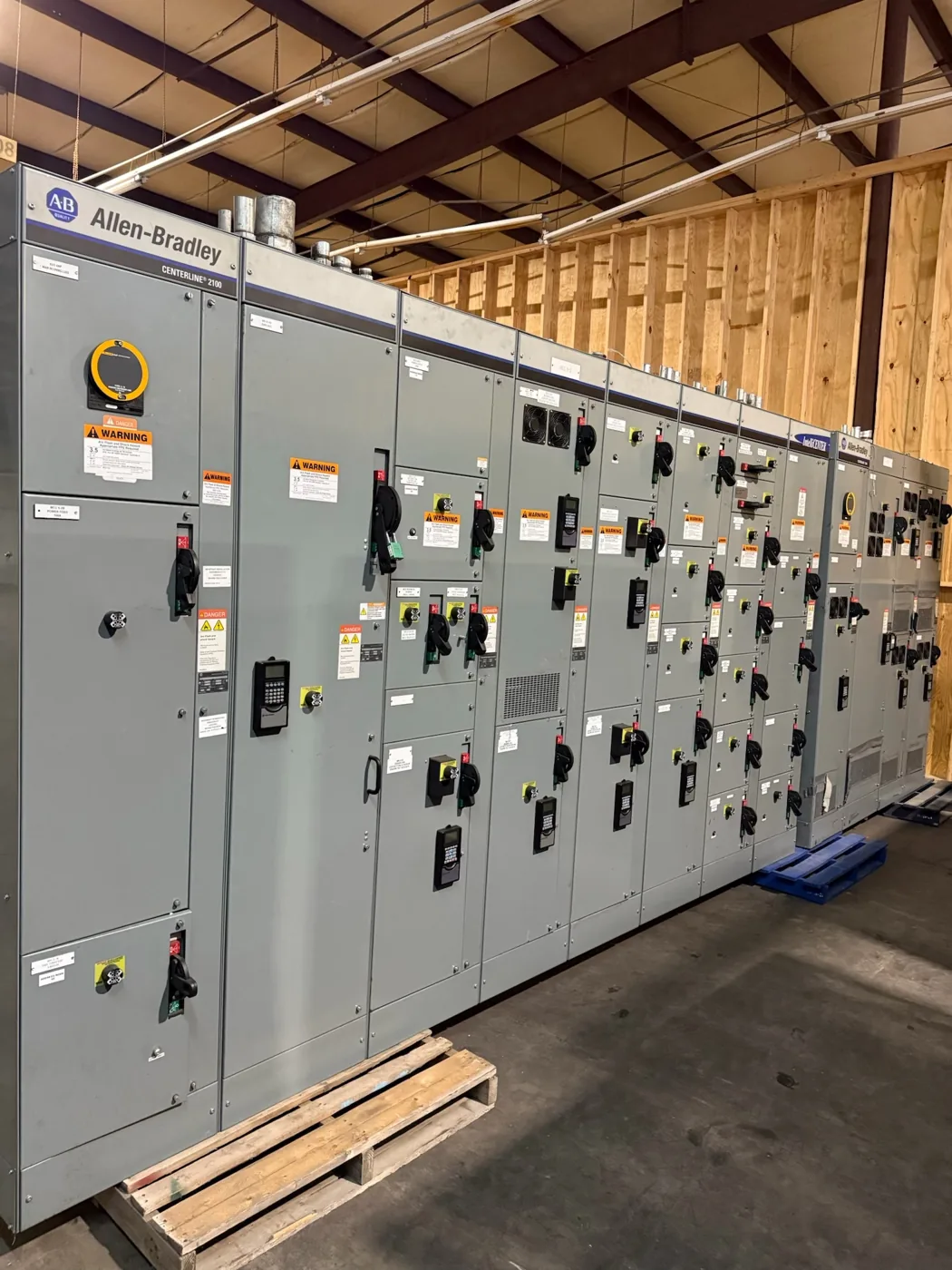
The business buys used and surplus switchgear, including equipment from decommissioned data centers and shut-down power plants. It pays upfront and handles rigging and logistics at its expense, including crane work, rigging, disconnects, loading, freight, and hauling. Sellers do not need to test equipment; the seller’s role is to share available information and receive an offer for review.
Identify Equipment Without Guessing
Start with what can be observed safely: equipment type, manufacturer, model or catalog references, voltage class if marked, and approximate quantity. Switchgear may be part of a larger lineup, so describe whether the available material includes complete sections, individual components, or associated enclosures. If a label is difficult to read, say so rather than filling in missing details.
Photographs of accessible exterior labels, fronts, sides, and the general lineup can help clarify what is included. A written inventory is useful, but it need not pretend to be a formal engineering record. Include known dimensions or approximate measurements when available, especially if the equipment’s height, width, depth, or configuration could affect how it is moved through the facility.
Do not energize, open, or disassemble equipment to gather information. Testing is not required for a quote request. If inspection or disconnection involves electrical handling, qualified personnel must follow applicable safety procedures; the buyer handles the disconnect work as part of its logistics. You can report known condition and any uncertainty without making unsupported claims about internal components.
Describe Pickup Access and Restrictions
Pickup planning depends on the actual route from the equipment’s present position to a loading point. Share whether the gear is at grade or on another level, whether a freight elevator or loading dock is available, and whether doors, corridors, turns, or overhead clearances may constrain movement. If these details are unknown, identify them as items to confirm rather than guessing.
Equipment dimensions matter because they help determine handling needs and whether a planned path is workable. Provide measured dimensions if they are already available, or reasonable estimates clearly labeled as estimates. Mention known weight information only when documented. A photograph of the route or a simple site drawing can supplement the description, but neither replaces a site-specific review.
California locations vary, and a buyer should not assume a particular building’s access conditions from its city or region. Explain site rules that could affect scheduling or loading, such as permitted access windows, check-in procedures, restricted vehicle areas, or coordination with facility management. The buyer handles rigging, crane arrangements when needed, loading, freight, and hauling at its expense.
Coordinate Removal Safely
Before pickup, confirm which items are included and which equipment must stay in place. Marking the lot on an existing inventory or drawing can reduce confusion when several lineups or adjacent components look similar. Clarify whether loose parts, documentation, or accessories are included, based on what is actually available, rather than assuming a complete system.
Electrical disconnects and equipment handling should be carried out by qualified personnel following applicable safety procedures. Sellers should not work on energized equipment or attempt a disconnect for the purpose of preparing a sale. The buyer handles disconnects and other logistics, while site personnel can explain access rules and coordinate any required facility-side authorization.
A useful logistics description is factual and limited to what the seller knows: where the equipment sits, how a crew could approach it, known dimensions, and restrictions that apply. If the equipment is still installed, explain that status. If it is already removed and staged, say where it is staged and whether loading access differs from the original installation route.
Request a Review and Cash Offer
To request a review, describe the equipment, approximate quantity, known manufacturer or model information, voltage class if available, present location in California, and whether it remains installed or is staged. Add accessible photographs, dimensions, and pickup restrictions where available. Identify unanswered questions plainly; a quote depends on reviewing the equipment, and missing details should not be replaced with invented specifications.
Also explain the decommissioning or surplus context briefly and confirm that you have authority to discuss selling the assets. If multiple groups control the site, identify the person who can coordinate access and the person authorized to approve a sale. That distinction can prevent a promising review from being delayed by uncertainty about permission or pickup arrangements.
The business makes cash offers and pays upfront after reviewing the equipment. It does not require sellers to test equipment, buys all voltage classes, and handles rigging and logistics—including crane, rigging, disconnects, loading, freight, and hauling—at its expense. The seller does nothing but get paid; an actionable request begins with accurate available information, not a promise about price or timing.