THE BUYER'S GUIDE / CALIFORNIA
Sell Switchgear With Street Access Restrictions in California
List the Equipment and Its Setting
When preparing to sell switchgear with street access restrictions in California, start with a concise description of the equipment and the limits known to the site contact. A street restriction can affect collection planning, but it does not by itself establish whether a purchase is possible or whether a particular vehicle can reach the equipment.
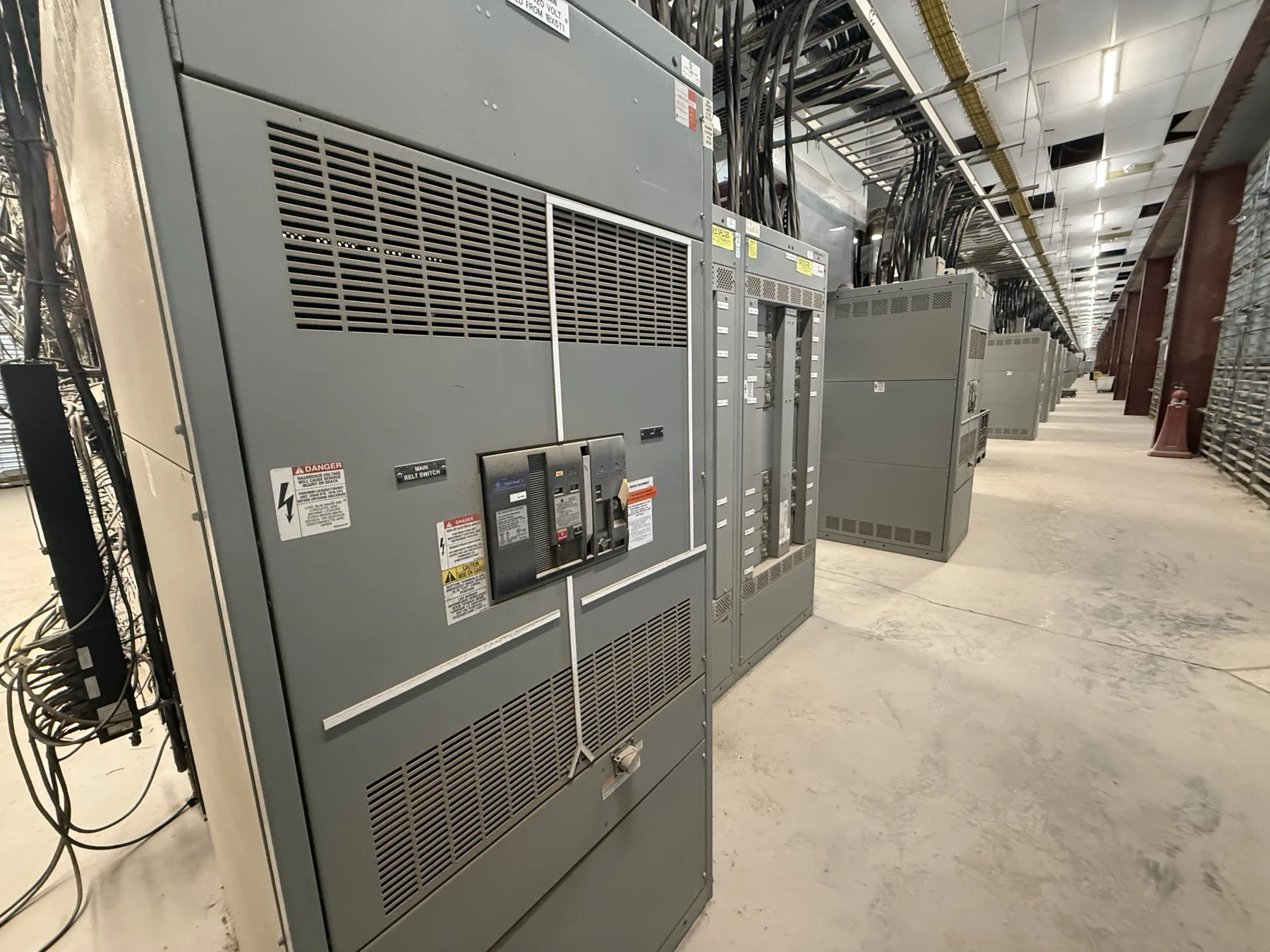
Record equipment type, manufacturer, model or catalog number, voltage class if known, quantity, and condition as understood from existing records or safe exterior observation. Include ownership or the identity of the party authorized to approve a sale. Existing exterior or nameplate images are optional; do not open equipment or approach energized gear to obtain them.
Keep confirmed information separate from questions. For example, report a known curb limitation or restricted parking period as a site fact, while noting uncertainty about any details not verified. A clear description helps a buyer review the equipment and identify what further logistical information would be useful.
What Affects a Purchase Review
A review considers the switchgear being offered and the information available about its identity, quantity, and condition. Visible manufacturer and model details, voltage class where known, and whether units are represented as complete can help distinguish one asset from another. Do not make up missing ratings or imply that a unit has been tested.
Condition notes should reflect what is actually known. Existing asset records or safely visible exterior observations may be useful, but the seller does not have to test equipment. If a fact cannot be confirmed without opening a cabinet or approaching energized equipment, leave it unconfirmed. Electrical handling belongs to qualified personnel following applicable safety procedures.
The site’s street and collection constraints are relevant alongside the equipment description. Known curb, traffic, parking, or access limitations can affect how a collection might be planned. They do not automatically mean a permit is required, and a seller should share known requirements rather than assume which approvals may apply.
Explain Street Restrictions Clearly
Describe the practical restriction in plain terms, such as a known curb limitation, a traffic-control window, a parking restriction, or a rule for entering the site. Include where the information came from if useful, such as a site contact or written property guidance. Do not guess at dimensions, time windows, or approval requirements that have not been confirmed.
Where known, explain whether the equipment is near a street-facing entrance, inside a building, or in another area that affects the path to a vehicle. Also mention whether a staging area is available or whether a site contact knows of one. This is context for review, not an instruction for the seller to plan a lift or arrange a crew.
The buyer handles and pays for crane, rigging, electrical disconnects, loading, freight, and hauling if the purchase is agreed. The seller does not need to contract for those tasks. Qualified personnel perform electrical work under applicable safety procedures, and the seller should not move equipment or attempt a disconnect to accommodate street conditions.
Prepare Information Without Testing
A practical preparation step is to gather information already on hand: asset lists, purchase or maintenance records, existing exterior photographs, and safely visible nameplate details. These materials can support identification, but none is a condition for asking about a potential purchase. If no photograph is safely available, simply provide a written description.
Do not open switchgear, remove covers, photograph interior parts or connections, or approach energized equipment. No seller testing is required. If equipment status is known from qualified personnel or existing records, share it as reported; otherwise, state that it has not been confirmed. This keeps the inquiry accurate and avoids creating an unsafe task.
For a site with multiple lineups or units, connect each item’s description to an existing label or location reference where possible. Mention any known access rule that could affect collection, such as a limited stopping area or a site-approved entry window. Exact collection arrangements are considered after the equipment and circumstances have been reviewed.
Ask for a Quote With Relevant Facts
A quote request should identify the California location, the equipment and approximate quantity, available nameplate details, condition as known, ownership or sale authority, and the street restrictions known to the site contact. Explain any curb, traffic, parking, or site-access limits in factual terms, while leaving unverified requirements open for clarification.
Optional existing exterior or nameplate images may accompany the request if already available or safely obtained. Never take a photo if doing so would involve unsafe access, energized equipment, opening an enclosure, or entering a restricted area. Missing information is acceptable; identify what is unknown rather than filling gaps with estimates.
A cash offer depends on reviewing the equipment and the circumstances, and making an offer does not itself trigger payment. If a purchase is agreed, payment is upfront. The buyer purchases used and surplus switchgear across voltage classes and handles and pays for crane, rigging, disconnects, loading, freight, and hauling; the seller does nothing but get paid.