THE BUYER'S GUIDE / CALIFORNIA
Sell Switchgear With Restricted Site Hours in California
Start With the Collection Window
When you sell switchgear with restricted site hours in California, the equipment review is only part of planning a possible purchase. The time when a site permits collection can affect how a buyer coordinates qualified electrical work, loading, and transportation. Sharing limits early helps establish whether a proposed removal plan can fit the permitted window.
Describe the site’s operating hours, any approved collection windows, and the person responsible for coordinating access. Clarify whether hours vary by weekday, require advance scheduling, or exclude particular periods, if you know. These details help prevent a quote discussion from overlooking practical access constraints, without requiring you to arrange a crew or transport.
A collection window is not a promise that work will occur at a particular time. Any purchase depends on reviewing the switchgear and coordinating the work with the site. The buyer handles and pays for electrical disconnects, crane and rigging, loading, freight, and hauling if a purchase is agreed. You do not need to provide standalone rigging services.
Identify the Equipment Clearly
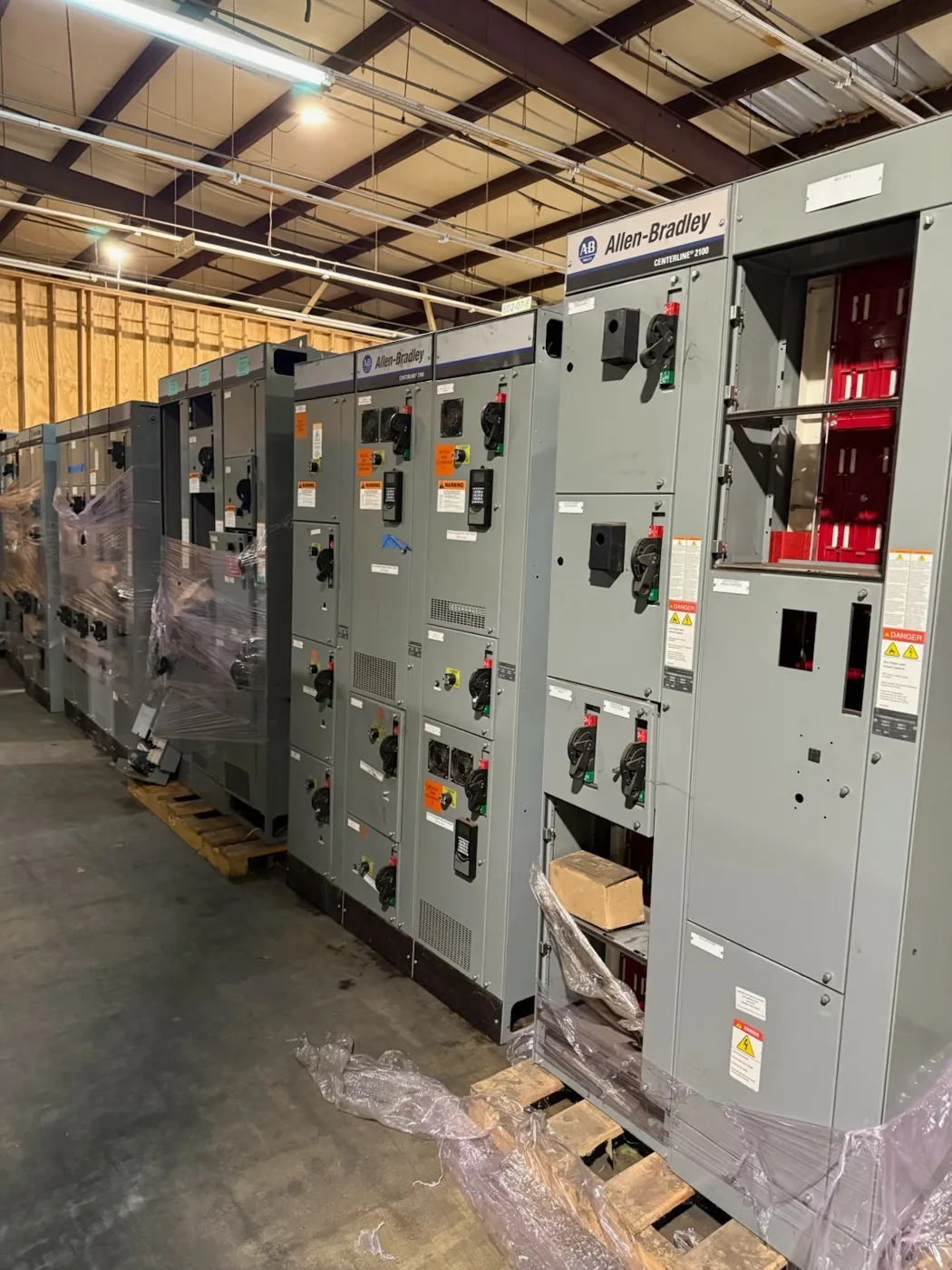
Useful starting details include the equipment type, quantity, voltage class, and any manufacturer or model information visible on an existing label. Switchgear can refer to different assemblies and configurations, so a clear description helps distinguish what is being considered. The buyer purchases used and surplus switchgear across all voltage classes, subject to review of the specific equipment.
Share nameplate information only when it is already available or can be viewed safely from the exterior. You do not need to open a cabinet, remove a cover, approach energized equipment, or take a new photograph. Existing exterior or nameplate photos are optional; if obtaining a view would be unsafe, provide whatever information you can without doing so.
Condition information can help frame the review. Mention whether equipment is installed, removed, stored, or known to have visible exterior damage, and describe any known missing components or incomplete sets. Do not guess at internal condition or conduct tests. The buyer does not require sellers to test equipment, and no particular nameplate detail should be assumed when it is unavailable.
Explain the Decommissioning Context
If the switchgear is part of a decommissioning, explain whether removal is planned, underway, or complete. That context helps clarify whether the equipment remains connected, when it could become accessible, and how the site’s permitted collection periods relate to the project schedule. Do not disconnect equipment yourself or ask unqualified personnel to handle electrical work.
For a California site with limited access hours, include known rules that affect coordination, such as reservation procedures, check-in expectations, or whether a responsible site contact must be present. Share only what you know. A prospective buyer can use those details to consider the collection plan; they do not make you responsible for providing electrical labor, rigging, or freight.
Ownership information is useful as well. State whether you own the equipment or are authorized to discuss its sale, and explain if approval from another owner or project representative remains pending. A quote depends on review of the equipment and the information available. No offer should be treated as a completed purchase or as a guaranteed valuation.
Plan Access Without Taking on the Work
Restricted hours make accurate access information especially useful because large electrical equipment may require coordinated handling and transport. Explain known limits on collection timing and identify the contact who can confirm access arrangements. If there are relevant loading-area or route constraints that you already know, describe them plainly without attempting to assess lifting requirements yourself.
The buyer handles and pays for the work associated with an agreed purchase, including qualified electrical disconnects, crane and rigging, loading, freight, and hauling. Sellers are not expected to hire a contractor or arrange equipment removal. Electrical handling and disconnects must be performed by qualified personnel following applicable safety procedures; never approach or open energized equipment.
You can help by sharing the location’s access process and by making the responsible contact available for coordination when appropriate. Do not alter site safeguards or bypass access rules to meet a collection window. If a safe exterior view or nameplate detail is unavailable, say so rather than entering a restricted area or opening electrical equipment.
Request a Review and Quote
To request consideration, describe the switchgear, quantity, voltage class if known, condition, ownership status, and decommissioning stage. Add the site operating hours, permitted collection windows, and a responsible access contact. Existing exterior or nameplate photographs may help when readily available, but photographs are optional and no image is needed if unsafe to obtain.
The buyer reviews the information and equipment before making an offer. A quote depends on that review, so sharing clear, accurate details is more useful than estimating a value or assuming eligibility. No testing is required from the seller. If a purchase is agreed, payment is upfront; an offer alone does not trigger payment.
Once the purchase details and access coordination are reviewed, the buyer can discuss whether collection fits the site’s permitted hours. The seller’s role is to share available information and coordinate access through the responsible contact. The buyer takes care of and pays for disconnects, rigging, loading, freight, and hauling, leaving the seller to receive payment if the purchase proceeds.