THE BUYER'S GUIDE / CALIFORNIA
Sell Switchgear With Restricted Corridor Access in California
Start With the Facility Transition
A facility change can bring a practical question into focus: how might switchgear reach an exit when corridors are restricted? If you plan to sell switchgear with restricted corridor access in California, describe the equipment and the known route before assuming that removal is straightforward or impossible. A potential quote depends on a review of the specific equipment and circumstances.
Explain whether the gear remains installed, has been disconnected by qualified personnel, or is already removed and stored. Identify its general location in the facility and who owns it or can approve a sale. These details matter because corridor access may differ between an operating area, a secured room, and a storage location, but no particular site layout should be presumed.
The buyer purchases used and surplus switchgear, including equipment from decommissioned facilities, and makes cash offers. A review is not a promise of value or acceptance. Share what is known about the equipment and access restrictions so the buyer can consider both, without requiring the seller to arrange removal services.
Describe the Switchgear Clearly
Available records can establish the equipment’s identity more reliably than a guess. Share asset schedules, purchase documents, or maintenance records if they are already accessible. If known, include the equipment type, manufacturer, model, voltage class, and approximate quantity. The buyer reviews all voltage classes, but an exact specification should only be supplied when supported by a record or safely visible nameplate.
Give a straightforward account of condition, such as whether the equipment is complete, stored, visibly damaged, or still in service. Mention documented missing parts or known maintenance history if relevant. Seller testing is not required. Do not approach energized equipment or open an enclosure to find information; qualified personnel must handle electrical work and disconnects under applicable safety procedures.
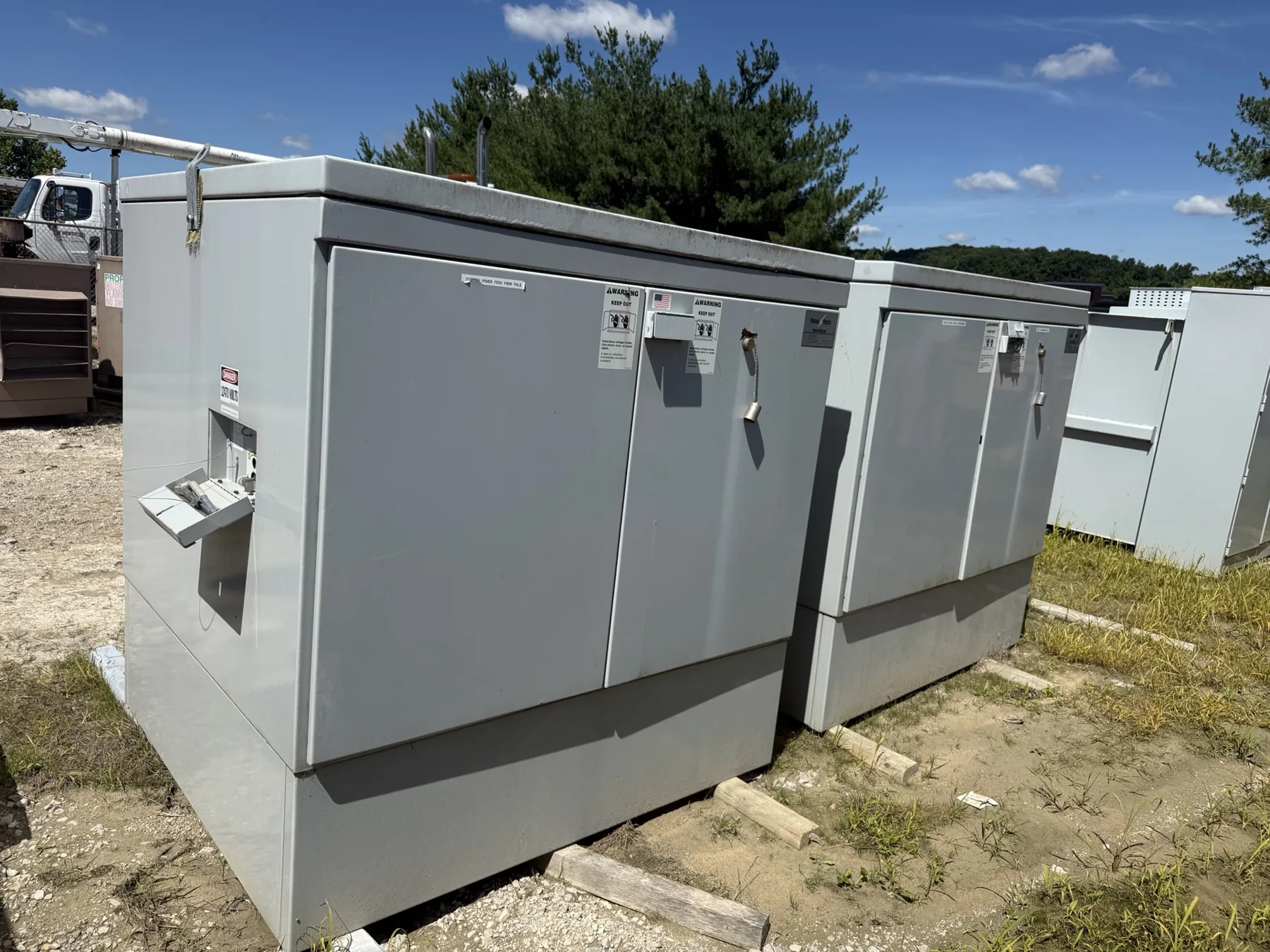
Existing exterior photos or safe views of visible nameplates can be shared optionally. They are not a requirement, and no image is needed if getting it would be unsafe. A description and existing documents are useful alternatives. Clear limits on what can be verified help prevent mistaken assumptions during review and keep the information process practical.
Explain the Corridor Constraints
Describe the route in terms of known turns, hallway width, doorways, thresholds, and other obstructions. A short account of where the corridor begins and ends can help show how it connects the equipment location to a potential exit. Measurements are useful when already available, but do not create a safety risk or disrupt facility operations to obtain them.
Note any secure areas along the route, including whether access requires an escort, advance approval, or a scheduled entry. Explain whether the exit route is currently available or expected to be available during a planned collection period. These details matter because permission and timing can shape coordination even when the physical corridor dimensions are known.
Do not assume the equipment can pass through the corridor intact based on a single measurement. Turns, available maneuvering space, and building restrictions may affect a removal plan. The buyer reviews the constraints as part of a potential purchase; a seller does not need to move equipment, widen an opening, or arrange a rigging contractor.
Coordinate Access Without Taking on the Work
If the equipment is in a controlled facility, identify the person or department responsible for arranging access, if known. Share applicable visitor, security, or scheduling procedures that have already been established. This is practical information for planning a potential collection, not a request for the seller to supervise electrical work or provide services beyond normal authorization and access coordination.
The buyer handles and pays for logistics if a purchase is agreed, including crane work when required, rigging, electrical disconnects, loading, freight, and hauling. Qualified personnel perform electrical work according to applicable safety procedures. Sellers should not approach energized equipment or disconnect it themselves, and they are not expected to hire or pay a separate crew.
If the corridor’s availability may change as a facility is decommissioned, state what is known and what remains undecided. A planned closure, access window, or movement of nearby items could be relevant, but avoid promising a date that has not been confirmed. Accurate uncertainty helps a reviewer identify follow-up questions without treating a tentative schedule as a commitment.
Make a Specific Quote Request
A useful request combines equipment information with the corridor facts that could affect collection. Describe the switchgear, its known condition, ownership, and whether it is installed or stored. Add known hallway widths, turns, secure-area requirements, and the likely availability of an exit route. If a detail is not known, say so rather than filling the gap with an estimate.
Share existing records and optional exterior or nameplate views only if they are already available and safe to obtain. Do not test equipment, open enclosures, or approach an energized area for a photo. A quote depends on reviewing the equipment; sending an inquiry does not guarantee a valuation, purchase, or exact response time.
If a purchase is agreed, payment is upfront. The buyer handles and pays for the collection work and transportation, including disconnects, rigging, loading, freight, and hauling. An offer by itself does not trigger payment. The seller does not need to test or arrange removal. Request a review with the facts at hand and explain the corridor limits plainly.