THE BUYER'S GUIDE / CALIFORNIA
Sell Switchgear With Overhead Clearance Constraints in California
Identify the Equipment Before Planning Removal
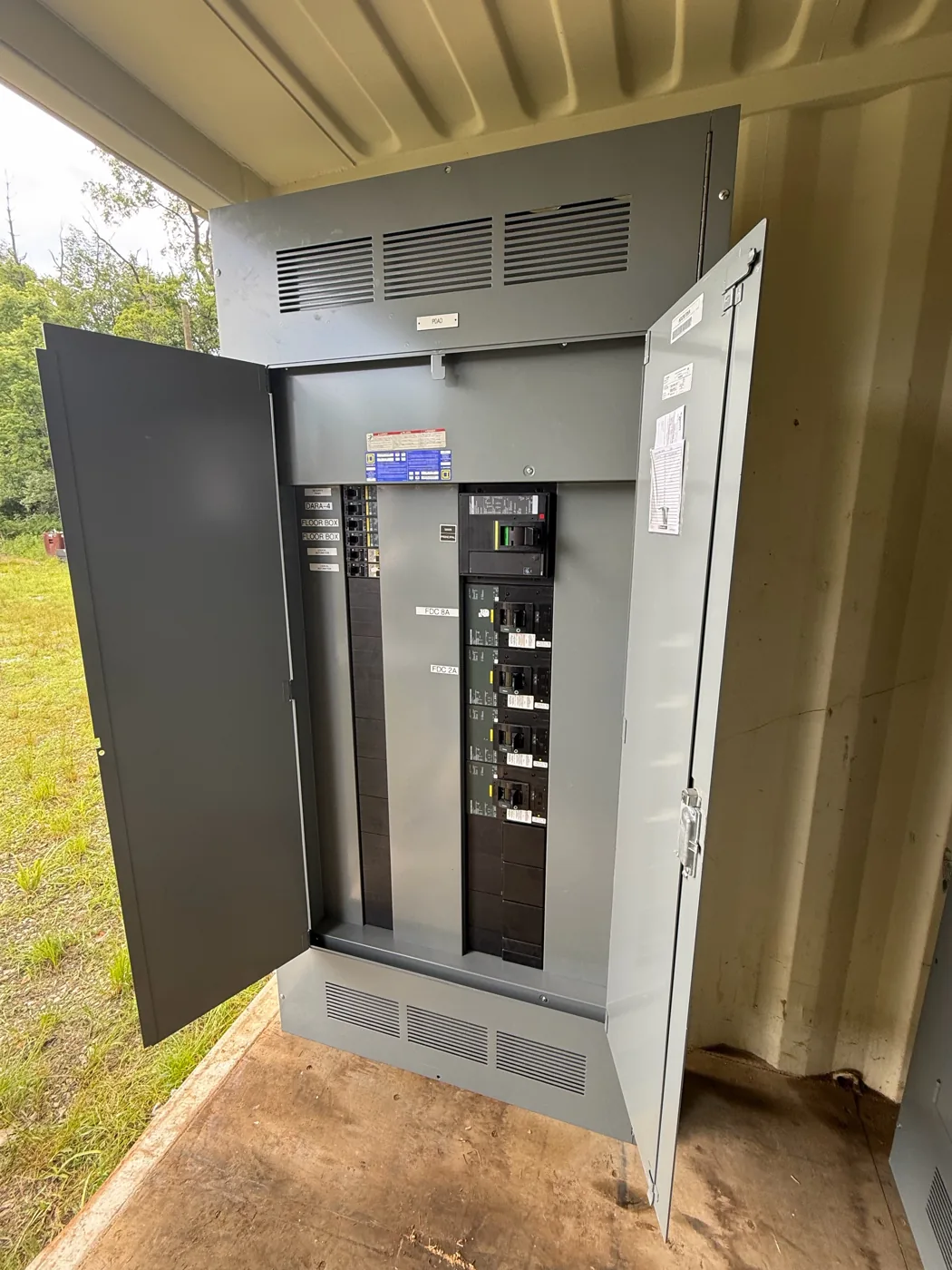
When preparing to sell switchgear with overhead clearance constraints in California, begin with what the equipment is, not with a guess about how it will be lifted or removed. A useful description can support a potential purchase review, while known ceiling limits and obstructions help explain collection conditions. Neither item alone establishes a value or a removal method.
Share existing equipment records, such as an asset schedule, purchase paperwork, or maintenance history. If known, identify the general equipment type, manufacturer, model, voltage class, and quantity. The buyer reviews used and surplus switchgear across voltage classes. Do not invent missing nameplate details; explain what the records show and where information is unavailable.
Also describe whether the gear is installed, disconnected by qualified personnel, or already removed. Note known condition, such as visible damage, missing components, or storage status. The seller does not need to test it. Electrical work and disconnects belong to qualified personnel following applicable safety procedures, and no one should approach energized equipment to collect information.
Share Safe, Useful Identification Details
A visible nameplate may help identify a unit when it can be viewed safely from an accessible exterior position. Existing exterior photographs and nameplate views are optional, not a condition of requesting a review. Never open the switchgear, reach inside, or photograph interior parts or electrical connections. If the label cannot be seen safely, rely on existing records or a plain-language description.
Condition information should reflect what you know rather than what you assume. You can report whether the equipment appears complete, whether it has been in storage, or whether a record documents a repair or missing part. Do not energize or test gear to verify its condition. A clear account of limits helps the buyer understand what can and cannot be established from the available information.
Ownership is also relevant to a quote request. Say who owns the equipment and whether you have authority to discuss a sale or can identify the person who does. This helps distinguish a request for information from an authorized decision about the asset, without creating an assumption that a purchase has already been approved.
Describe Overhead Constraints Precisely
Share known ceiling heights, overhead obstructions, and any limits that may affect equipment movement. Measurements are helpful but optional; existing plans or facility records can provide context if they are already available. Do not climb, remove fixtures, or enter restricted areas to obtain measurements. A general description is preferable to taking an unnecessary risk.
Explain where each constraint is located in relation to the switchgear and the route toward an exit or loading point. A beam above the unit, a suspended obstruction along a path, or a known crane limitation may be relevant. Keep the description factual and avoid assuming which lifting equipment or removal approach will work.
If a measurement is uncertain, label it as approximate or say it is not known. A listed ceiling height may not describe every part of a route, while a visual note alone may not establish usable clearance. The buyer can consider these details during review; the seller is not expected to plan a lift or provide standalone rigging.
Leave Electrical and Rigging Work to Qualified Teams
Overhead limitations can influence coordination, but they do not make the seller responsible for arranging a crane or rigging. If a purchase is agreed, the buyer handles and pays for crane work, rigging, electrical disconnects, loading, freight, and hauling. The scope is tied to the purchase, rather than offered as an independent site service.
Qualified personnel perform electrical work and disconnects under applicable safety procedures. Do not approach energized equipment, attempt a disconnect, or move the switchgear to make a clearance measurement easier. If the gear has already been disconnected or removed, share that status only if known and do not imply that additional work is needed or safe.
Where access permissions or scheduling rules apply, describe the process and any confirmed constraints. This helps distinguish overhead clearance from other site limitations, such as a controlled route or limited availability. The buyer can review practical collection information alongside the equipment details without relying on a seller to execute the work.
Request a Review With the Facts Available
A focused request should identify the switchgear, its known condition and ownership, and its current status. Include any records already available and safely visible exterior or nameplate information if convenient. Add known ceiling heights, overhead obstructions, and crane limitations. These details help the buyer review a potential purchase without requiring testing or a complete engineering assessment from the seller.
State clearly which measurements are confirmed, approximate, or unavailable. Mention the equipment’s location within the facility and any known access rules that affect reaching it. Do not provide guessed specifications or claim that a particular removal approach will work. The quote depends on reviewing the equipment and circumstances; an offer is not a guaranteed valuation or purchase.
If a purchase is agreed, payment is upfront, and the buyer handles and pays for the logistics, including electrical disconnects, crane, rigging, loading, freight, and hauling. An offer alone does not trigger payment. The seller need not test equipment, arrange a lift, or perform electrical work. Submit the description and access details you can safely share and ask for a review.