THE BUYER'S GUIDE / CALIFORNIA
Sell Switchgear With Mixed Loose Breakers in California
Planning a Switchgear Change in California
When a facility changes its electrical equipment, the installed switchgear lineup may be only part of what remains. Breakers removed earlier, spares held in storage, and other associated components can be in different areas or have different histories. If you are considering a sale in California, a clear account of what is included helps make the equipment review more accurate.
A buyer of used and surplus switchgear may consider equipment from decommissioned data centers and shut-down power plants, as well as other sources. The business buys all voltage classes and makes cash offers after reviewing the equipment. A mixed collection is not automatically one uniform package, so distinguish the installed lineup from separately stored breakers and any other parts you propose to include.
You do not need to test equipment to request a review. Do not approach or open energized equipment, and do not try to disconnect, move, or inspect electrical components yourself. Electrical handling and disconnects belong to qualified personnel following applicable safety procedures; the buyer handles that work if a purchase is agreed.
Separate the Lineup From Loose Breakers
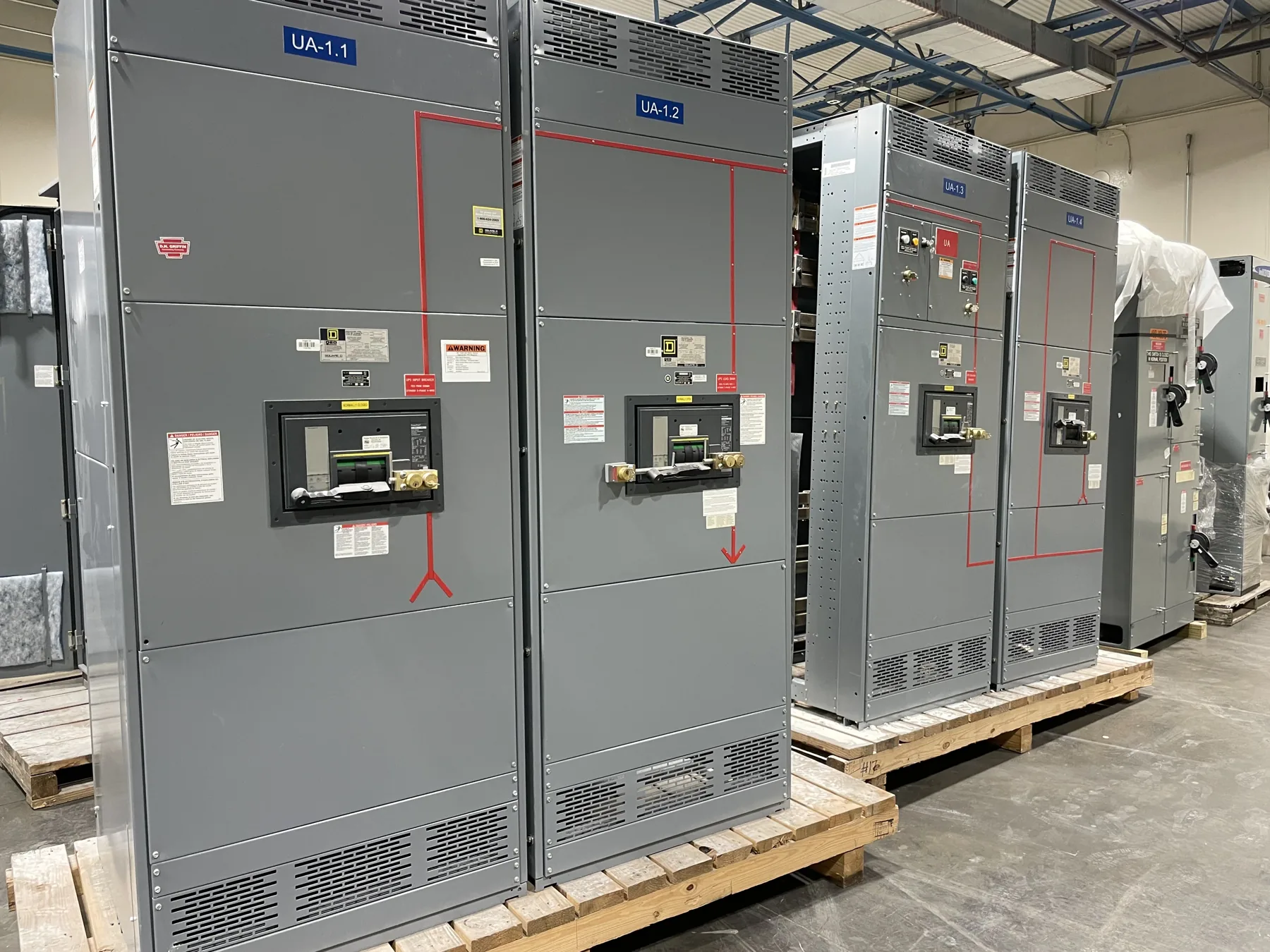
Start the inventory with the lineup itself: identify it as the installed assembly and share the manufacturer, model, voltage class, or other nameplate details only when those are safely visible or already recorded. These details help distinguish one assembly from another and give the reviewer a useful basis for understanding its configuration without asking you to expose internal parts.
List loose breakers separately rather than combining them into an estimated count for the lineup. If available, note each breaker’s manufacturer, model, rating, and quantity from existing records or safe exterior nameplate views. Explain whether the breakers are stored as spares, were removed from the lineup, or are simply part of the same proposed collection; the distinction can affect how the equipment is reviewed.
Include other parts only when you can identify them with reasonable confidence, such as associated sections or accessories, and describe them as separate items. Avoid guessing at compatibility or asserting that a breaker fits a particular section when records do not confirm it. A simple written inventory is useful even if some details are unknown or several items cannot be identified.
Share Condition and Ownership Information
Describe condition using what you know from records and ordinary, safe observation. For example, say whether the lineup was in service before decommissioning, is now stored, or has a known maintenance or repair history. Do not present an assumption as a verified condition, and do not conduct electrical tests for the purpose of obtaining a quote; seller testing is not required.
For loose breakers, note whether they are identified, stored separately, or associated with a particular lineup when that information is available. Mention visible exterior damage only if it can be observed safely, without opening equipment or approaching energized components. Existing photographs or safely visible exterior and nameplate views are optional, not a condition of review. No photo is needed if obtaining one would be unsafe.
Ownership information matters because a proposed sale should clearly involve equipment the seller has the right to transfer. Share whether the equipment belongs to you or your organization and whether another party’s approval is needed, if known. If records are incomplete, say so plainly. The reviewer can then consider the available information without treating an uncertain detail as established fact.
Consider Collection and Site Access
Mixed collections can be spread across an operating facility, a storage area, or a decommissioned site, so explain where the lineup and loose breakers are located in general terms. Describe access constraints you already know, such as whether equipment is indoors or whether a loading area is available. You are not expected to arrange lifting, loading, or transportation yourself.
If a purchase is agreed, the buyer handles and pays for crane, rigging, electrical disconnects, loading, freight, and hauling. The seller does not need to hire a rigging company or arrange an electrical contractor for the buyer’s work. Any electrical disconnects must be performed by qualified personnel following applicable safety procedures; never attempt work on energized equipment.
Useful logistics information includes whether the lineup is still installed, whether loose breakers are boxed or on pallets, and whether the items are located together. Share access information you can confirm without entering restricted or hazardous areas. These details help the buyer assess the collection and plan its own handling, while avoiding unsupported assumptions about a California site or its operating conditions.
Request a Review and Quote
To request a quote, provide a concise inventory that separates the installed switchgear lineup, loose breakers, and any additional parts. Add available identification, voltage class, quantities, known condition, location context, and ownership information. You can also explain what is missing or uncertain. A careful description is more useful than a complete-looking inventory built from guesses.
The buyer reviews the equipment before making an offer, so submitting information does not guarantee eligibility, a valuation, or a particular price. If a purchase is agreed, payment is upfront. An offer by itself does not trigger payment, and no exact review or payment timing should be assumed. You do not need to test the equipment or produce photographs to start the conversation.
Keep the request focused on what is included and how the items are currently situated. State whether the breakers are intended to be sold with the lineup or offered as part of a broader collection, and identify any known ownership or access limitations. The buyer handles the agreed disconnects and logistics at its expense, leaving the seller with the task of sharing available information and, if a purchase is agreed, getting paid.