THE BUYER'S GUIDE / CALIFORNIA
Sell Switchgear With Crane Access Constraints in California
Start With What Is Known About Access
When considering whether to sell switchgear with crane access constraints in California, begin with information the site owner can safely share. The buyer first needs to understand what equipment is being offered and where it is located; freight and lifting arrangements can be considered after that initial review. A quote depends on reviewing the equipment, not on assuming a crane can reach it.
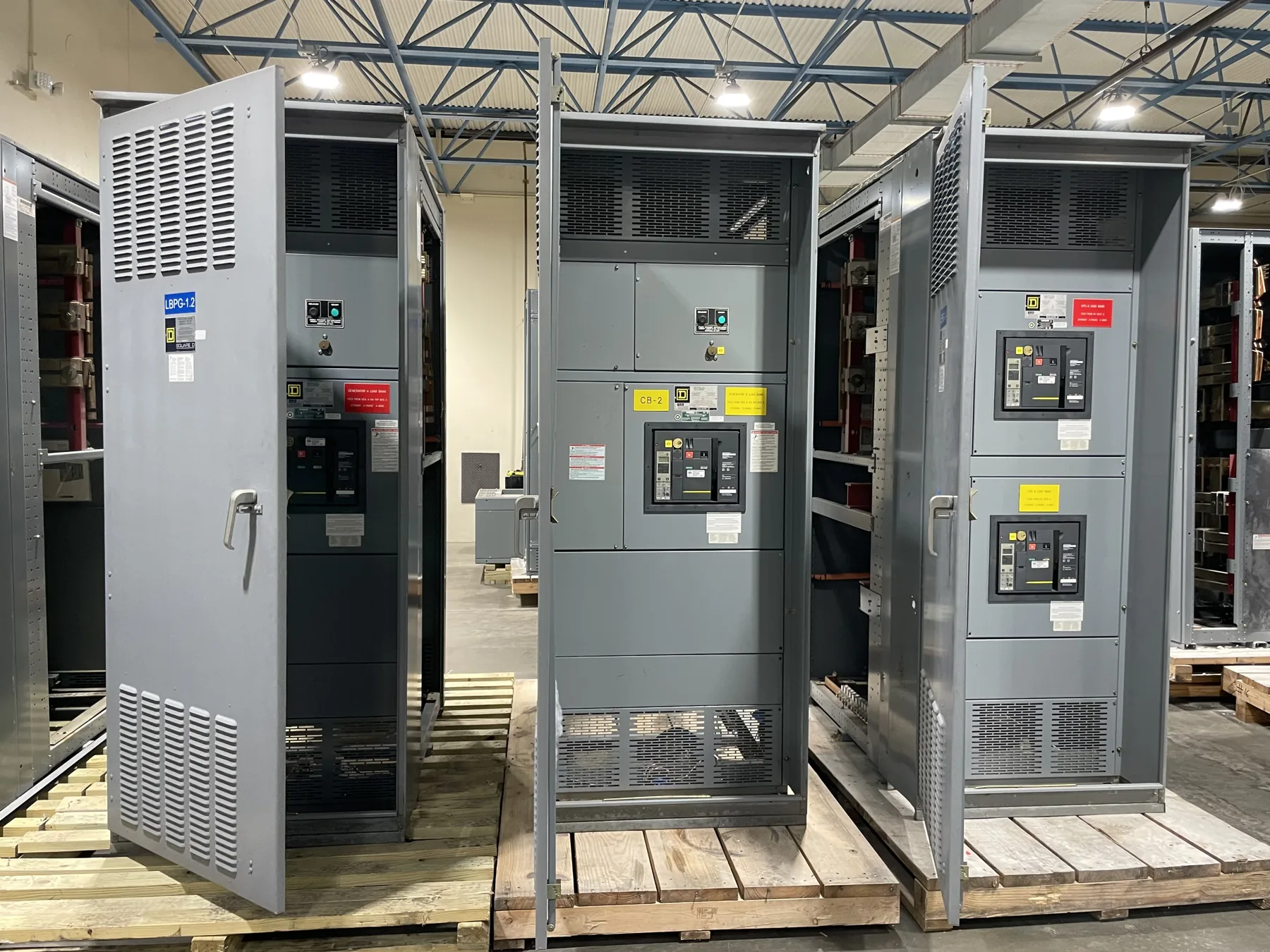
Describe the switchgear by known type, quantity, location, and available nameplate details. Ownership should also be clear: state whether the equipment belongs to the seller and whether it is available for sale. Existing records or exterior photographs may help, but a seller need not open an enclosure or obtain images in an unsafe area.
Access constraints are relevant, but they do not automatically determine whether a purchase can be considered. If overhead clearance, ground approach, setup space, or another limitation is already known, explain it in ordinary terms. If the details are uncertain, say so rather than estimating. The buyer can assess the information as part of a possible collection plan.
Explain the Equipment’s Project Context
Switchgear can become surplus during a facility change, decommissioning, or equipment replacement. If that is the situation, say whether the equipment remains installed, is scheduled for removal, or has already been staged. The timeline and project phase can help clarify when access may be possible, without requiring a seller to promise a date that is not settled.
Identification details help separate the equipment from other assets at the site. Share known manufacturer, model, voltage class, or ratings from records or a safely visible nameplate. Do not make up specifications where records are incomplete. A short note about whether components are believed to be present or missing may also help, provided it reflects information already known.
The business buys used and surplus switchgear across all voltage classes, including equipment from decommissioned data centers and shut-down power plants. A seller does not have to test equipment. Information from existing records and safe exterior observations is enough to begin a review; electrical work and any testing are not tasks the seller must perform to request consideration.
Describe Crane and Route Limitations
Crane access can depend on facts beyond the equipment itself, such as the approach to the building, the available setup area, or overhead restrictions. Share only what someone responsible for the site already knows. If measurements are available from existing plans, they may be useful; nobody needs to enter a restricted area or measure a hazardous route for the inquiry.
Photos of the exterior, loading area, or visible access route are optional when they can be obtained safely. A seller may also describe whether the equipment is inside, at grade, or behind a known access restriction. Do not photograph energized equipment or connections, and do not open switchgear to obtain details. No photograph is necessary if taking one is unsafe.
These facts help the buyer consider crane, rigging, loading, freight, and hauling as a connected collection question. They are not a request for the seller to arrange lifting services. If a purchase is agreed, the buyer handles and pays for crane, rigging, electrical disconnects, loading, freight, and hauling.
Keep Electrical Work With Qualified Personnel
A seller should not approach energized equipment or attempt electrical disconnects to prepare for a sale. Electrical handling and disconnects belong to qualified personnel following applicable safety procedures. The buyer handles the agreed work and related logistics, so the seller does not need to disconnect, move, or load the equipment.
When describing condition, use straightforward observations and existing records. Note whether equipment is installed or stored, whether there are known missing parts, and whether visible exterior damage has been reported. Do not treat a visual description as a test result. The business does not require sellers to test equipment as a condition of requesting a quote.
If a site has access rules, approvals, or scheduling limits, share the details known to the owner or project lead. Those constraints can be considered during review and collection planning. Avoid promising that any particular equipment can be removed by a specific method or date before the buyer has assessed the equipment and location.
Make a Practical Quote Request
A useful inquiry includes equipment type and quantity, known identification, ownership, condition information, location, and the crane or route constraints already understood. Include safe nameplate information or optional exterior views only if they are readily available. Clearly separate confirmed details from estimates, and identify questions that remain unresolved.
The buyer reviews the equipment before making a cash offer. An inquiry alone does not trigger payment, and a price or purchase is not guaranteed. If the purchase is agreed, payment is upfront; the buyer also takes responsibility for the agreed collection work and pays the costs of crane, rigging, disconnects, loading, freight, and hauling.
For a California switchgear lot with challenging crane access, send the facts available rather than trying to solve the lift in advance. Explain what limits are known and who can clarify site access if needed. This gives the buyer a sound basis to review the equipment without requiring the seller to test it, arrange a crane, or undertake electrical work.