THE BUYER'S GUIDE / CALIFORNIA
Sell Switchgear With Buyer-Handled Hauling in California
Start With the Equipment Lot
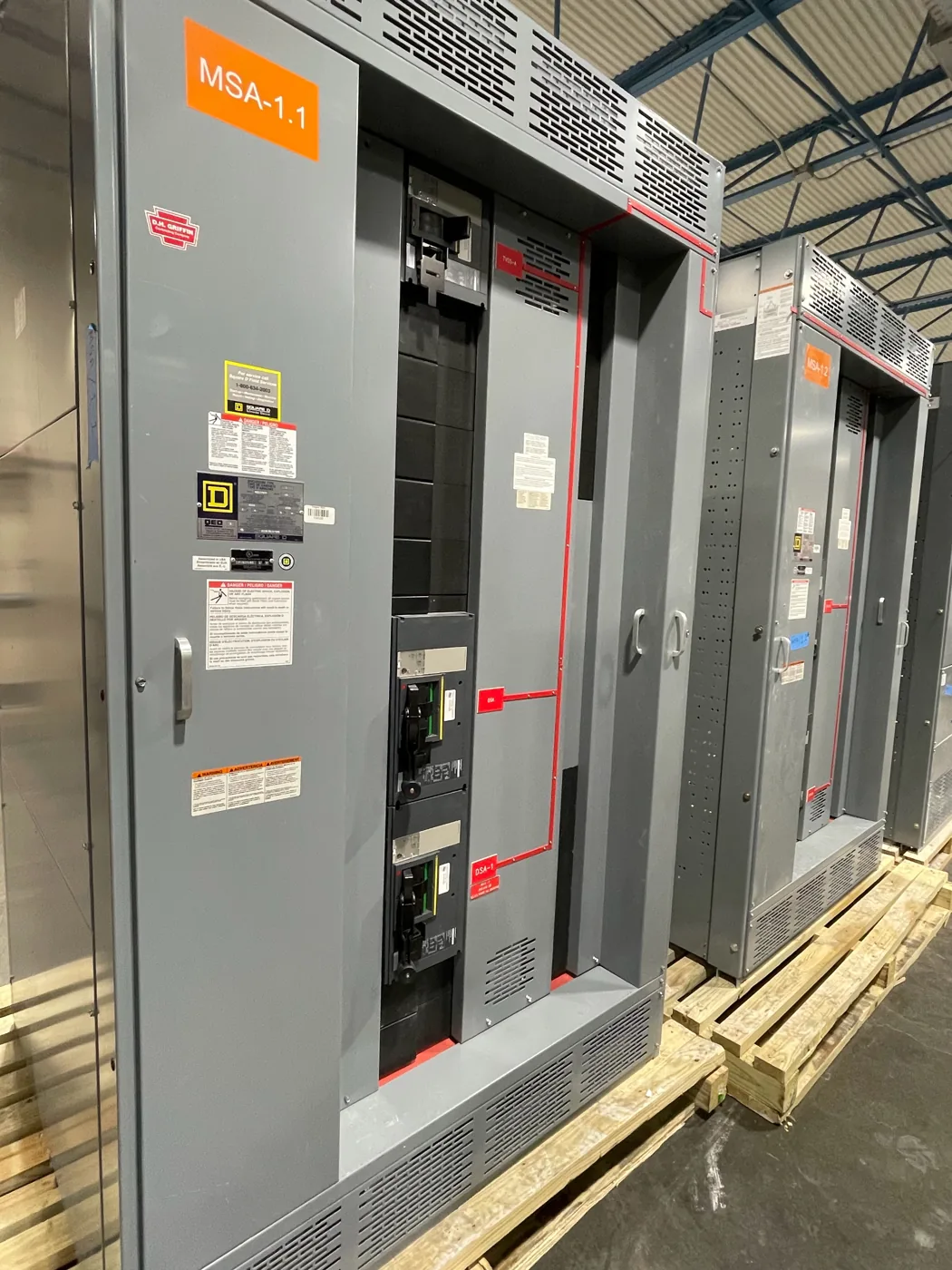
A decision to identify surplus switchgear often comes before a facility has settled every removal detail. If you are looking to sell switchgear with buyer-handled hauling in California, begin with the equipment itself: what it is, how much is included, and whether it remains installed or is already stored. That makes the inquiry useful without requiring you to arrange transportation.
Clarify whether the gear is one lineup, separate sections, or several items grouped together. If the equipment has been removed from service, note whether it is still in its original location or has been moved to storage. These distinctions help the buyer understand the lot and consider the handling needs without asking you to reposition anything.
Hauling is part of a potential purchase collection, not a service the seller needs to procure independently. If a purchase is agreed, the buyer handles and pays for hauling, freight, crane, rigging, electrical disconnects, and loading. You do not need to test the gear or hire a hauling company before requesting a review.
Describe Known Equipment Details
Provide identification that is already available, including any safely readable manufacturer, model, or voltage-class information. Existing records may offer useful detail when labels are obscured or incomplete. Do not guess at nameplate values, and do not open a cabinet or remove a cover to find information. If a detail cannot be confirmed, identify it as unknown.
Quantity and configuration matter because a single lineup differs from a mixed group of separate equipment. Explain which sections or units belong to the proposed lot and whether any parts are excluded. A basic description of the intended sale scope can prevent a buyer from reviewing an incomplete or unclear inventory.
Share condition information based on existing knowledge, such as whether the gear was in service before a shutdown, is stored, or has a known issue. No seller testing is required. Electrical work and disconnects belong to qualified personnel following applicable safety procedures, and the buyer handles those tasks if a purchase proceeds.
Explain Installed or Stored Status
State whether the switchgear is installed or stored and, if known, whether it remains connected to facility systems. Do not approach or work on energized equipment to check its status. If the answer is uncertain, explain that uncertainty and allow qualified personnel to determine electrical conditions under appropriate procedures.
For installed gear, share a general description of where it is located and any collection constraints already known. For stored gear, say whether it is grouped together and whether access is controlled. The buyer does not need you to move equipment, prepare a load, or make the site ready for hauling as a condition of requesting a quote.
If it is one lot, say so; if equipment is spread across locations or is being made available in stages, explain that instead. The collection plan depends on the scope and information review. The buyer handles and pays for hauling and the associated collection work if a purchase is agreed, but an offer alone does not establish a pickup date.
Share Access and Timing Information
Access details help explain how hauling may be approached. Mention known entry restrictions, limited vehicle access, stairs, doorways, or other obstructions only when you can describe them safely and accurately. There is no need to measure a route, move equipment, or make arrangements with a carrier. The purpose is to give the buyer a realistic context for reviewing the potential collection.
State any timing information you already have, such as a planned equipment removal period, facility transition, or date by which a decision is preferred. Treat these as planning details rather than a promise of collection. The buyer must review the equipment, ownership, and access circumstances before deciding whether to make an offer.
A quote request should also indicate who owns the gear or who is authorized within the organization to discuss a sale. If approval is pending, say so. This clarifies whether the equipment is available for consideration without implying that a quote automatically establishes a sale, collection, or payment.
Request a Review and Quote
Send a concise description of the lot, quantity, available nameplate or record details, known condition, installed or stored status, ownership, and pickup location. Add any known access limitations and timing considerations. Existing exterior photographs or safely visible nameplate images may help, but they are optional; do not take a photo if doing so would be unsafe.
Be direct about information gaps. You can say that the exact count is being confirmed, the history is not available, or the gear remains installed. Do not test equipment or open electrical enclosures to fill those gaps. The buyer reviews the available information before making an offer, and no fixed value or exact schedule is promised in advance.
The business buys used and surplus switchgear across all voltage classes, including equipment from decommissioned data centers and shut-down power plants. If a purchase is agreed, payment is upfront. The buyer handles and pays for crane, rigging, electrical disconnects, loading, freight, and hauling, leaving the seller with no collection work to arrange.