THE BUYER'S GUIDE / CALIFORNIA
Sell Switchgear During an Electrical Room Renovation in California
Map the Renovation to the Equipment
During an electrical room renovation, a clear inventory can be more useful for a switchgear quote than a rushed attempt to test equipment. Start by identifying which sections or lineups are expected to become surplus and which will remain part of the renovated room. That distinction helps separate equipment being removed from gear that is still needed for the project.
In California, renovation plans can change as designs, schedules, and reuse decisions develop. A quote request can begin with the information already known, even if removal dates are not final. Explain whether the equipment remains installed, has been disconnected, or is already staged elsewhere. If those details are uncertain, say so rather than guessing.
The buyer purchases used and surplus switchgear, including equipment from decommissioned facilities. A potential purchase depends on review of the particular equipment; asking for a quote does not itself commit either party. Knowing what is actually available allows the review to focus on the right lineup, rather than an entire room whose contents may not all be surplus.
Identify What May Be Available
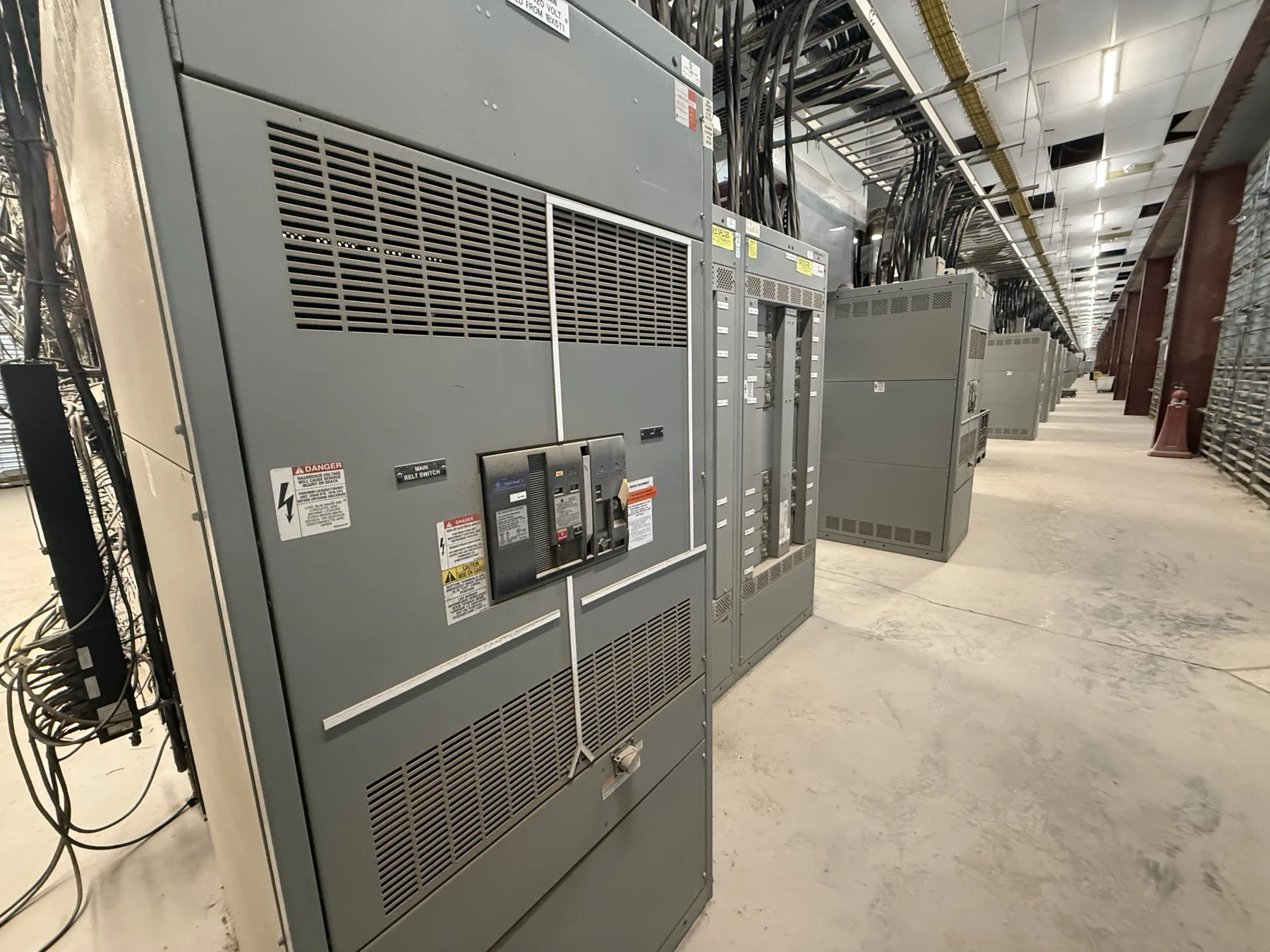
Useful identification begins with the manufacturer, model or catalog references, voltage class, and any legible nameplate details that are safely visible from the exterior. These details can help distinguish sections that look similar but serve different roles. Do not invent missing information or approach a panel that is energized, obstructed, or otherwise unsafe to view.
Describe the general configuration in ordinary terms: for example, whether the equipment is a lineup, a switchboard, or individual sections, if that is known. Share approximate quantities and any associated components believed to be included. If the nameplate cannot be seen safely, an existing photo or record may help, but no photo is required and nobody should open equipment to obtain one.
Condition information can also guide review without testing. Mention known damage, missing exterior parts, corrosion visible from a safe position, or whether the equipment was operating before renovation planning began. Avoid presenting an assumption as a verified condition. Sellers are not required to test switchgear; the buyer can review available information and decide what further clarification is useful.
Clarify Removal and Room Access
For a renovation, the collection question is often tied to the room layout and sequence of work. Share whether the surplus gear remains installed and whether any confirmed room-access constraints affect its eventual removal. Examples might include a narrow doorway or a scheduled building-access window, but report only constraints you know rather than assuming a route or lift plan.
The seller does not need to arrange electrical disconnects, rigging, a crane, loading, freight, or hauling. If a purchase is agreed, the buyer handles and pays for those logistics. Electrical disconnects and other electrical work must be performed by qualified personnel following applicable safety procedures; the seller should not approach or open energized equipment to help with planning.
Access details matter because they shape how the buyer evaluates collection coordination, not because the seller must provide a removal plan. If construction sequencing is still being developed, identify what is confirmed and what remains tentative. That keeps the quote discussion grounded and makes it easier to revisit timing when the renovation team establishes a dependable release window.
Share Ownership and Project Timing
A potential buyer needs to know that the person requesting a quote has authority to discuss the equipment and that ownership or disposition rights are understood. If the gear belongs to a property owner, tenant, contractor, or another party, clarify the arrangement as far as known. Do not assume that renovation responsibility automatically means the requester owns the switchgear.
Include the anticipated date when the equipment could be released, distinguishing a firm date from a planning estimate. A renovation may progress in stages, so explain whether all surplus is expected to become available together or in separate groups. If the schedule shifts, provide the updated information when it is known rather than promising a date that is not confirmed.
The business makes cash offers and, if a purchase is agreed, pays upfront. An offer is not a payment event; payment follows an agreed purchase. The seller does not need to test the equipment or manage the physical collection. These terms let a renovation team consider a sale while keeping its attention on project decisions and safe work practices.
Request a Review-Based Quote
To request a quote, describe the switchgear, its quantity, what is known about condition and ownership, and whether it remains installed. Add safely available exterior or nameplate information, the renovation’s expected release timing, and any confirmed room-access limitations. If a detail is unavailable, state that plainly; a complete technical dossier is not a prerequisite to starting a conversation.
Keep the request focused on equipment that is genuinely expected to be surplus. If several sections are involved, identify them separately where possible so the buyer can review the group accurately. Existing records or exterior photographs are optional. Do not remove covers, inspect internal connections, or take a photograph if reaching the equipment would be unsafe.
A quote depends on reviewing the equipment and the details provided, so no price or eligibility should be assumed before that review. Once a purchase is agreed, the buyer handles and pays for disconnects, crane and rigging needs, loading, freight, and hauling. For a California renovation, a concise, accurate account of equipment and timing is the practical first step toward a useful response.