THE BUYER'S GUIDE / CALIFORNIA
Sell Stored Switchgear for Buyer Pickup in California
Start With What Is Stored
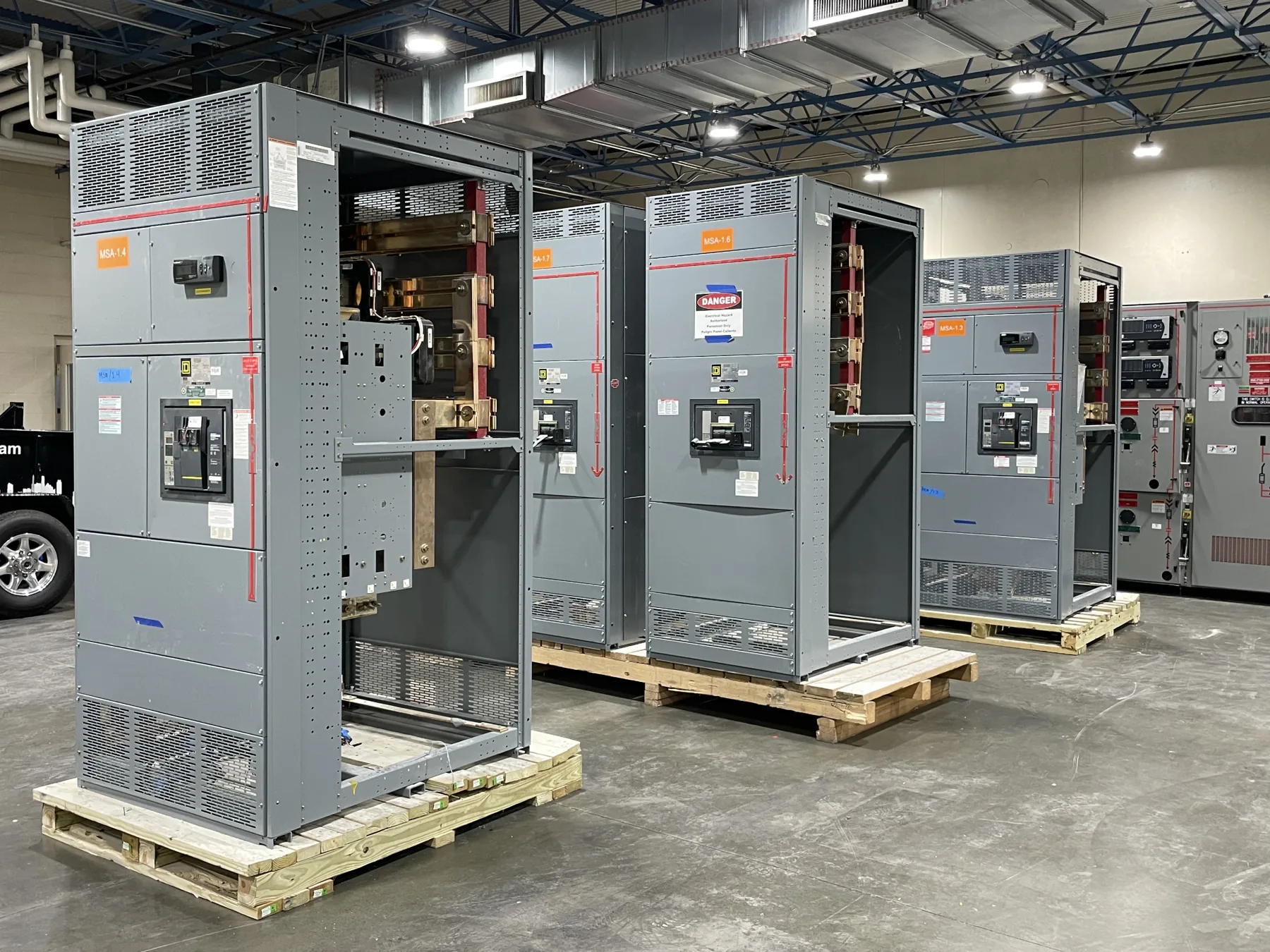
If you want to sell stored switchgear for buyer pickup in California, begin with a practical description of what is in storage and what you can safely identify. State whether the equipment is a complete lineup, separated sections, breakers, or a mixture of items. That distinction helps define the proposed group before collection details are considered.
Share nameplate information only when it is safely visible from the exterior, such as a readable manufacturer, model, voltage, or amperage. Existing records may provide details too. Do not open equipment, move heavy components, or approach energized gear to find a label or obtain a photograph.
Describe the known condition and whether related components are stored together. If parts are believed to be missing or stored elsewhere, say so. Seller testing is not required; a straightforward account of available records and visible exterior condition is enough to support an initial review.
Explain Storage and Component Grouping
How the gear is stored can affect collection planning, so describe the arrangement as you understand it. Note whether sections are grouped together, separated, or located in more than one storage area. If you do not know how an item was packed or handled, avoid guessing about its internal condition.
Mention whether the equipment is on a pallet, in a crate, or otherwise supported only if that is already known and safe to report. Do not shift, lift, or unpack equipment to answer questions. Existing photographs of exterior surfaces or labels may help, but they are optional and should never require unsafe access.
Clarify which components are included in the proposed sale and which are not. If an equipment schedule or inventory exists, it can help match stored items to records. This detail matters because a review of a complete group differs from one of selected sections, even when the equipment is kept in the same storage area.
Describe Vehicle Access and Collection Limits
Share what is known about vehicle access to the storage location, including any entry process, scheduling limits, or facility contact who must coordinate a visit. Do not assume a particular truck can reach the equipment or that a loading area is available. Report known constraints and leave unconfirmed site details open for review.
The buyer handles and pays for crane, rigging, loading, freight, and hauling if a purchase is agreed. You do not need to hire a hauler, move the equipment to a vehicle, or arrange lifting services. Explain any known access restrictions so the buyer can consider collection logistics as part of the potential purchase.
If equipment is stored at a location with limited access periods, describe the known windows and whether they are firm or tentative. Avoid promising availability until the appropriate owner or facility contact confirms it. The timing and access information helps clarify practical collection needs without turning the seller into the logistics coordinator.
Share Ownership and Safe Status Information
Explain who owns the stored switchgear or who can approve its sale. If you are managing an asset for another party, make that role clear and note any approval needed before a transaction. This helps establish whether the listed equipment can actually be offered, without requiring unnecessary personal or technical details in an initial inquiry.
If you know whether the equipment was disconnected before storage, state that status as known and distinguish it from anything unverified. Electrical work and disconnects belong to qualified personnel following applicable safety procedures. Do not approach or open energized equipment, touch connections, or test it to confirm its status.
Available records, such as an asset list, prior service notes, or decommissioning documents, may help explain the gear's history and condition. Share what is already available, not a newly created test result. No seller testing is required, and no photograph is needed if obtaining one would be unsafe.
Request a Review for Buyer Pickup
A useful request identifies the stored equipment, its component grouping, safely readable nameplate details, known condition, and ownership. Add the storage arrangement and what is known about vehicle access or scheduling. If information is missing, state that plainly; do not unpack equipment or conduct tests to complete the description.
Mention whether a facility contact must coordinate entry and whether access is limited to particular periods. Existing exterior photographs can be included if already available and safe to share, but they are not required. Keep electrical status limited to confirmed information and let qualified personnel handle any electrical work.
A quote depends on reviewing the equipment and the details provided, not on an automatic valuation. If a purchase is agreed, payment is upfront, and the buyer handles and pays for disconnects, crane, rigging, loading, freight, and hauling. The seller does not have to arrange pickup services or test the switchgear.