THE BUYER'S GUIDE / CALIFORNIA
Sell Oversized Switchgear Lineups in California
Start With the Lineup’s Overall Scale
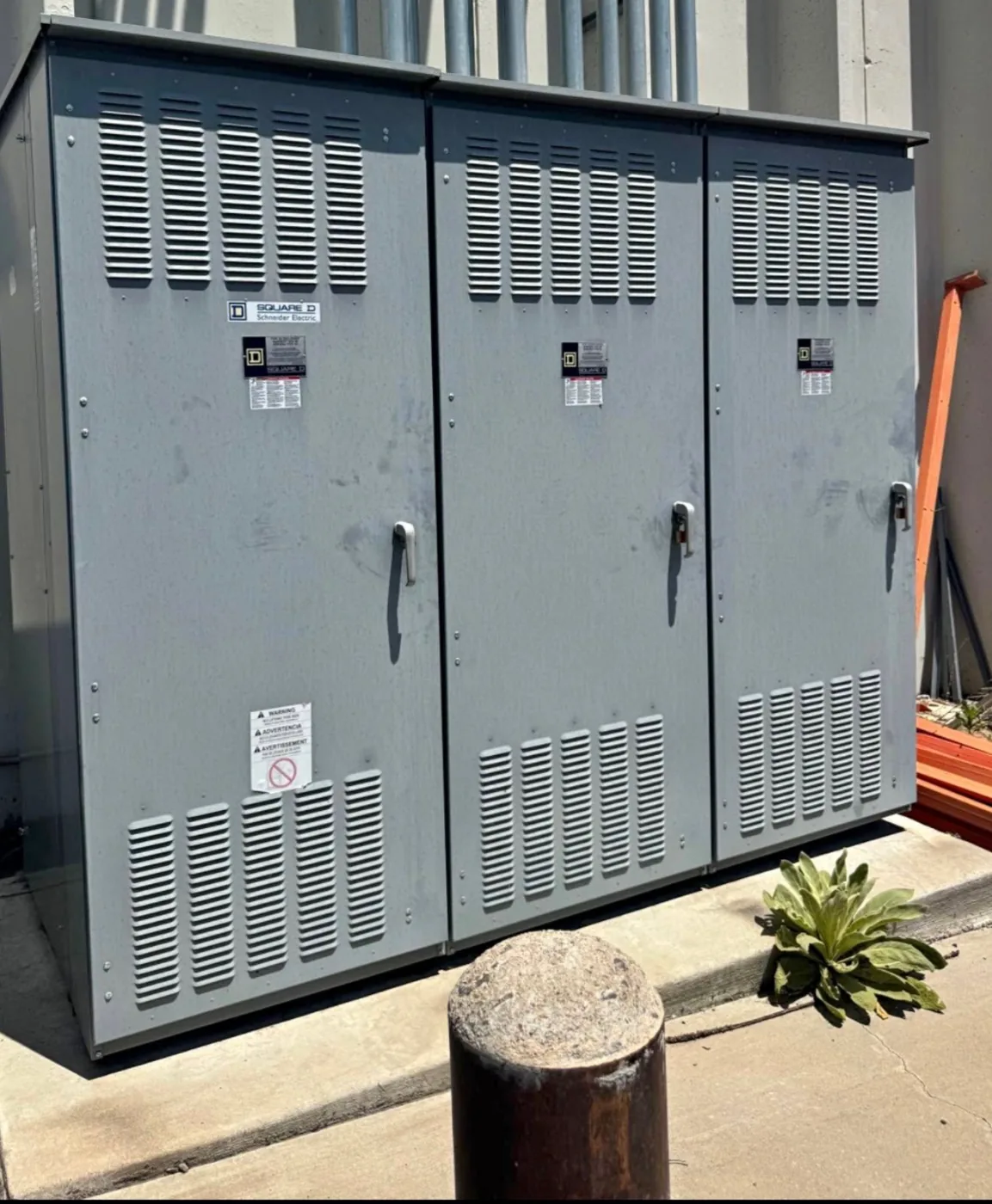
When you consider whether to sell oversized switchgear lineups in California, the first useful step is describing what is present, not arranging freight. A buyer can review the equipment and collection challenge together when the basic configuration is clear. No single dimension or weight determines whether a purchase makes sense, and an initial discussion does not commit you to a sale.
Share the number of sections, any known dimensions or weights, and whether the lineup is installed or already stored. If measurements or weights are unavailable, say so rather than estimating. These details help distinguish a long, connected lineup from separate cabinets and help frame the space and handling questions that may matter if a purchase is agreed.
The equipment may be part of a facility change, decommissioning, or a surplus inventory decision. Describe the situation only as far as you know it; there is no need to speculate about the equipment’s history. A review can begin with your written description and any records already available, before anyone discusses collection planning.
Identify Equipment Without Testing It
Existing nameplate details can help identify the lineup, its voltage class, manufacturer, model, or other recorded characteristics. Share only information that is safely visible from outside the equipment. Do not approach equipment that may be energized, remove covers, or open electrical compartments to locate a label. If a nameplate cannot be viewed safely, simply explain that it is unavailable.
Condition information can be equally useful when it reflects what you already know. You might describe whether the lineup is believed to be complete, whether visible exterior damage is known, or whether breakers and related sections are understood to be included. You do not need to test breakers or energize equipment. The buyer does not require seller testing as a condition for starting a review.
If convenient, existing exterior photographs or a safely visible nameplate image may support the description, but photos are optional. Do not take a picture if doing so would require approaching electrical hazards, moving equipment, or opening a cabinet. Existing drawings, inventories, or decommissioning records can also clarify configuration without asking you to perform new inspection work.
Clarify What Is Included and Owned
A large lineup may be described as one asset even when its sections, breakers, or accessories are listed separately. Tell the buyer what you understand to be included and identify anything that may be excluded or uncertain. If records use different descriptions from the labels, share both versions where available; this can prevent confusion during review without requiring you to reconcile every document first.
Ownership is another practical part of a purchase discussion. Explain whether you own the equipment or are authorized to discuss it for its owner, and mention any known restrictions on sale. Do not assume that being responsible for a site automatically establishes ownership of every electrical asset. Clear information allows the buyer to assess the proposed transaction rather than relying on guesswork.
When a lineup comes from decommissioned operations, records may be incomplete or equipment may have been moved. State what is known and mark gaps plainly. A buyer can consider available identification and condition information without treating missing documentation as proof of a particular condition. The aim is a useful, accurate review, not a perfect technical dossier assembled at your expense.
Plan Collection Without Arranging Rigging
Oversized equipment can make removal planning important because section count, dimensions, weight, and whether the lineup is installed affect how collection may be approached. Share known access constraints or storage circumstances if they are already apparent. You are not expected to design a lift, select equipment, or provide a shipping plan before the buyer has reviewed the potential purchase.
If a purchase is agreed, the buyer handles and pays for crane, rigging, electrical disconnects, loading, freight, and hauling. This is part of the equipment purchase arrangement, not a standalone rigging service. You do not have to hire a crane, contract a hauler, or disconnect the lineup yourself. The buyer coordinates the collection work after reviewing the equipment and practical details.
Electrical disconnects and other electrical handling belong to qualified personnel following applicable safety procedures. Never approach or work on energized equipment, and do not attempt a disconnect to make the lineup easier to sell. You can explain what is known about its current status, while the buyer handles the necessary collection arrangements if the transaction proceeds.
Request a Review and Discuss an Offer
For a quote request, describe the lineup’s section count, known dimensions or weights, and whether it is installed or stored. Add safely available nameplate information, known condition, what breakers or sections are included, and ownership information. Mark unknown details as unknown. This gives the buyer a factual basis to review the equipment without requiring testing or a new inspection by you.
You may also share existing records or optional exterior photos if they are already available and safe to use. Do not open equipment or obtain images from an unsafe position. Include the general collection circumstances you know, such as whether the lineup is in a building or storage area, without assuming that any particular access arrangement is feasible.
The business buys used and surplus switchgear across all voltage classes, including equipment from decommissioned data centers and shut-down power plants, and makes cash offers. A quote depends on reviewing the equipment; an offer alone does not trigger payment. If a purchase is agreed, payment is upfront, and the seller’s role is limited to providing information and getting paid while the buyer handles and pays for collection logistics.