THE BUYER'S GUIDE / CALIFORNIA
Sell Multiple Switchgear Lineups in One California Lot
Describe the Lot as It Exists
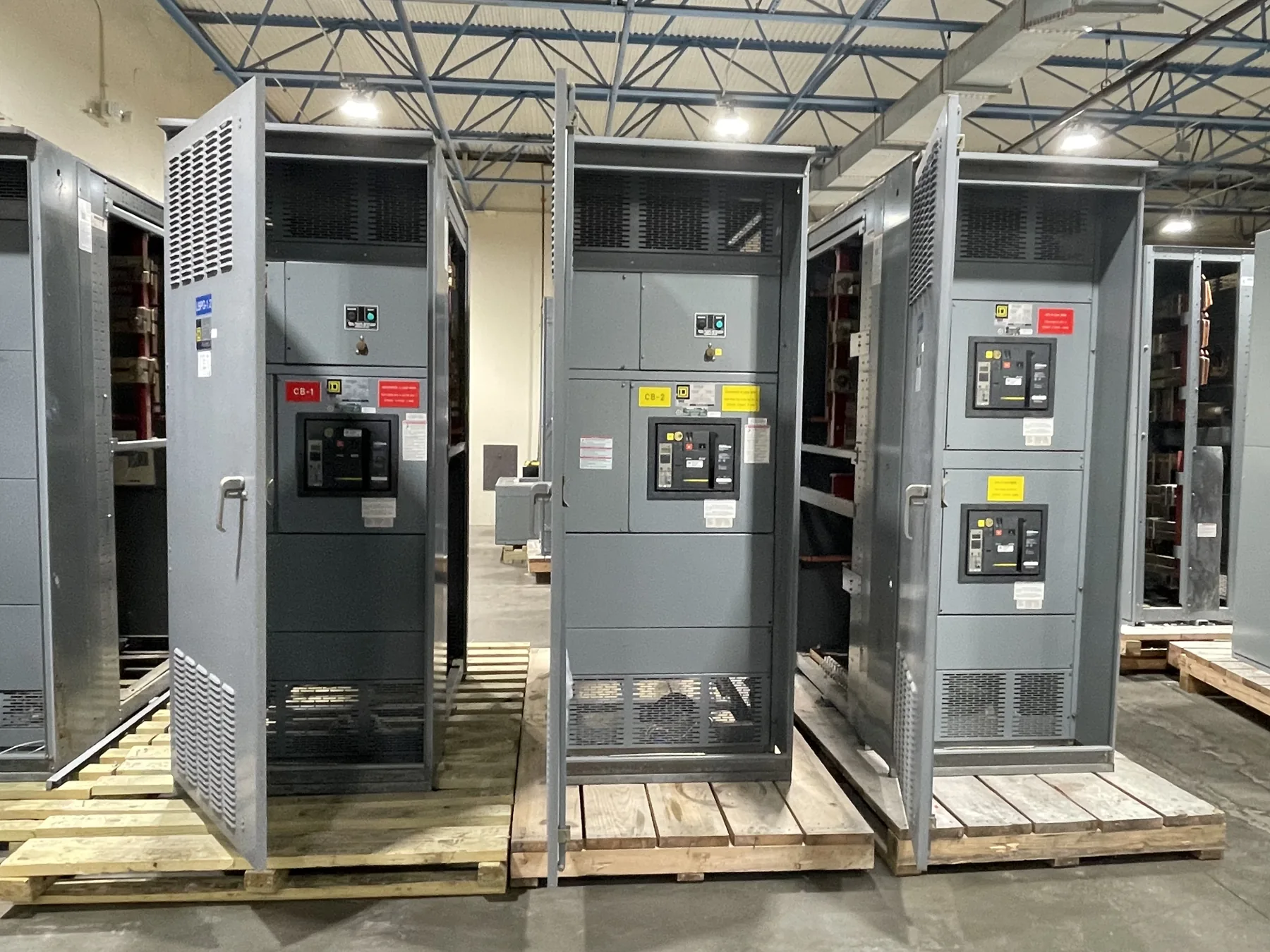
When you want to sell multiple switchgear lineups in one California lot, begin by describing how the equipment is grouped today. A buyer reviewing several lineups needs to understand whether they are part of one decommissioned facility, stored together, or located in separate areas. Do not assume that a shared lot means the equipment is identical or equally accessible.
List each lineup’s location and section count, and say whether every lineup is being offered together. A short description can distinguish one long lineup from several separate assemblies and clarify whether a particular group is excluded. This matters because the number, arrangement, and grouping of sections shape the scope of a potential purchase and its removal planning.
For each lineup, share known voltage class, ratings, manufacturer, model, or other nameplate details only when available and safely visible. Existing photographs of exterior surfaces or nameplates can help, but they are optional. Never open a cabinet or approach energized equipment to obtain information. If a view is not safely accessible, simply say that the detail is unavailable.
Explain What Makes Each Lineup Distinct
Several lineups in one lot may have different configurations, ages, or known conditions, even if they came from the same facility. Note clear differences in visible equipment type, section count, or known ratings rather than describing the entire lot as uniform. These distinctions help the buyer assess what is included without asking you to test or dismantle anything.
Share known condition in practical terms: whether the equipment was in service before decommissioning, whether it is reported complete, or whether any sections are known to be missing or damaged. Do not guess at internal condition or electrical performance. Testing is not required for a review, and a lack of test records does not mean you need to arrange tests.
If the lot came from a data center decommissioning or a shut-down power plant, identifying that context can help explain how the equipment was assembled and removed from service. Provide only information you know. Ownership and authority to sell also matter: clarify who owns the lineups and whether they are all available in the proposed transaction.
Share Access and Removal Information
A multi-lineup purchase depends not only on equipment details but also on how the items can be reached and removed. Describe the known route from the equipment to a loading area, any access limitations you are aware of, and whether the lineups are together or separated across the property. You do not need to design a removal plan; basic context helps the buyer review logistics.
If you know whether equipment is still installed, already disconnected, or staged for removal, mention that status. Do not perform electrical work or arrange disconnects on the buyer’s behalf. Electrical handling and disconnects belong to qualified personnel following applicable safety procedures, and the buyer handles and pays for disconnects as well as crane, rigging, loading, freight, and hauling.
You are not expected to rig, load, or transport the equipment. The buyer handles those logistics at its expense if a purchase is agreed. Share access details from your existing knowledge, but do not enter a restricted area, move equipment, or approach a potentially energized lineup just to answer questions.
Prepare Information Without Testing
Useful information can come from existing records, prior decommissioning documents, or safely visible exterior and nameplate views. You may provide a section count, known ratings, lineup locations, and a brief condition description without commissioning an inspection or test. If paperwork is incomplete, say what is known and identify what remains uncertain rather than filling gaps with estimates.
Never open switchgear, remove covers, or photograph interior components or connections. Do not approach equipment that may be energized. Any electrical inspection or disconnect work must be performed by qualified personnel following applicable safety procedures. No photograph is necessary if obtaining one would be unsafe; an existing image or safe exterior view is simply optional supporting information.
The buyer purchases used and surplus switchgear across all voltage classes, including equipment from decommissioned data centers and shut-down power plants. That does not determine whether a particular lot will be purchased. Consideration depends on reviewing the actual equipment and the information available, so clear descriptions and honest limits are more useful than unsupported claims about condition.
Request a Review for the Complete Lot
To request a quote, describe the California lot and provide the location of each lineup, each section count, known ratings, and whether all lineups are offered together. Include known condition, ownership information, and any access or removal context you can safely share. Existing exterior or nameplate photos are optional, and no testing is required to begin a review.
Ask for the lot to be reviewed as the group you intend to sell. If you would consider separating lineups, state that clearly, but do not assume a partial offer will be made. The buyer reviews the equipment before making an offer; a quote is not guaranteed and depends on the information and equipment under consideration.
If a purchase is agreed, payment is upfront. An offer alone does not trigger payment. The seller’s role is to provide available information and receive payment if the transaction proceeds; the buyer handles and pays for crane, rigging, qualified electrical disconnects, loading, freight, and hauling. Share what you know, leave unsafe work to qualified personnel, and request a review of the complete lot.