THE BUYER'S GUIDE / CALIFORNIA
Sell Used Electrical Equipment Without Seller Testing in California
Request a Review Without Seller Testing
If you want to sell used electrical equipment without seller testing in California, you can begin with information already available rather than arranging tests to support an inquiry. Describe what you know and clearly mark what has not been verified. The distinction matters: a buyer can review a quote request, but an untested description should not be presented as proof that equipment operates.
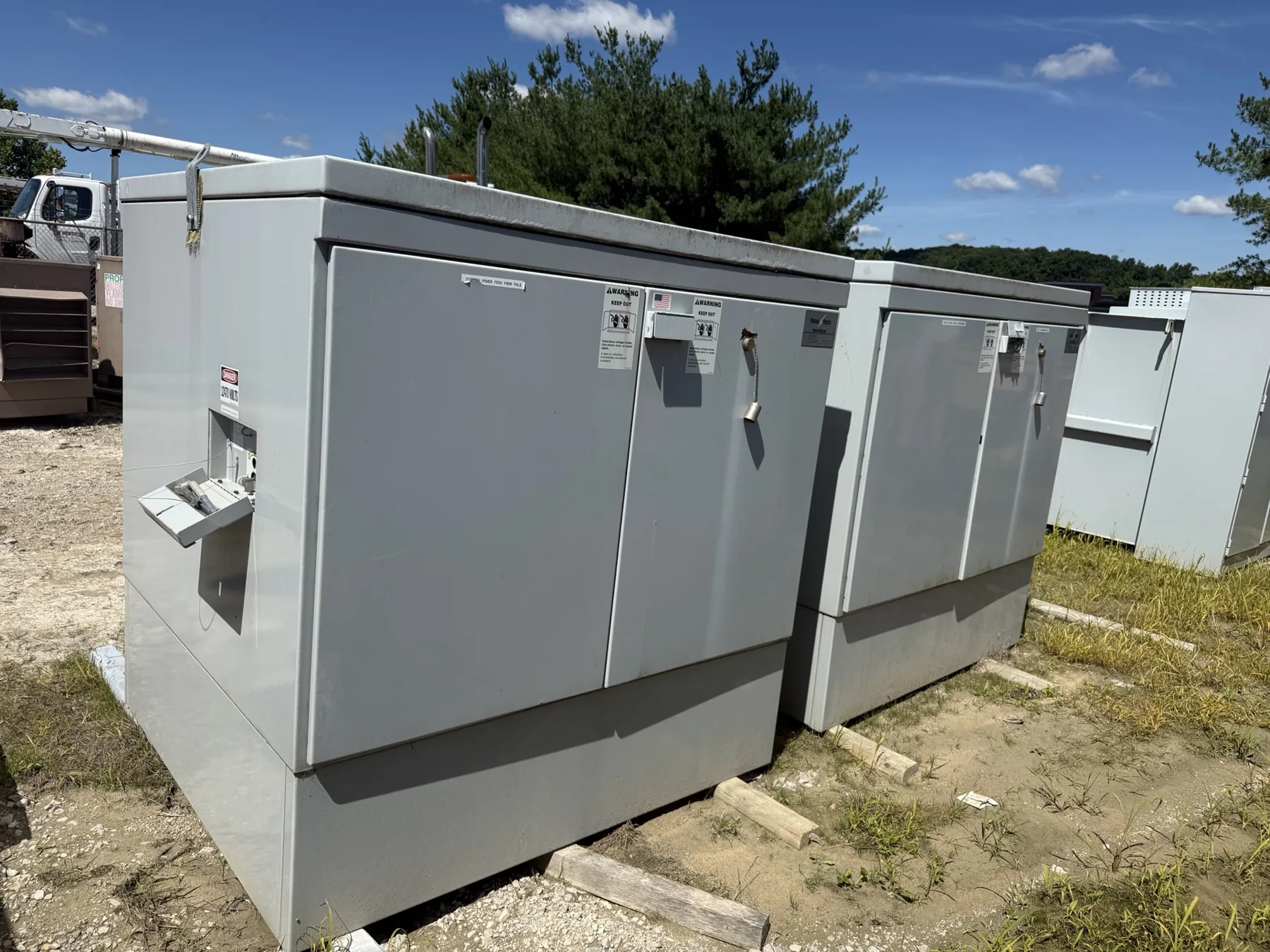
Start with the equipment type, quantity, and identification visible on existing records or safely accessible labels. Include manufacturer, model, or voltage class only when documented or legible. If information is missing, report that instead of estimating. A photograph may help explain the equipment, but do not energize it, remove covers, or approach a hazard to get a better image.
Condition can be stated in ordinary terms: for example, whether the equipment is in storage, whether visible parts appear absent, or whether you know of damage from existing records. If you do not know its operating condition, say so. The seller does not need to test equipment for a quote request, and there is no need to claim functionality that has not been confirmed.
Identify the Equipment and Its History
A useful equipment description links the physical items to information you already possess. Asset records, prior project documents, purchase paperwork, or an inventory may help establish identity and ownership. Share relevant excerpts when appropriate, while avoiding unsupported specifications. If a label is obscured or unreadable, explain what other record supports the description and note that the physical marking could not be confirmed.
Explain how the equipment became available, if known. It might be surplus from a facility change, part of a project closeout, or remaining inventory after operations changed. Do not assume that its history proves present condition. If the equipment came from a decommissioned data center or shut-down power plant, that context may be useful, but only describe it that way when it is accurate.
Clarify whether all listed equipment is available or whether some components will be retained. A count that separates available items from items staying on site is more useful than a single total that includes both. If quantities are preliminary, label them as estimates and explain when a more reliable count may be available. The buyer can review the information without requiring seller testing or a perfect inventory.
Share Records and Condition Responsibly
Existing inspection notes, service records, or equipment schedules may help explain what is known, but a seller need not create new test results. Identify the source and date of any record when that information is available. If documents conflict, point out the discrepancy instead of choosing the most favorable detail. This lets the buyer understand the limits of the record during review.
Describe visible condition without making technical conclusions. You can report packaging, storage, apparent missing parts, or damage that is plainly observable from a safe position. Avoid describing equipment as operational, tested, or ready for service unless that is supported by information you already have. Never energize equipment for photographs or to satisfy a buyer inquiry; testing is not required.
Photos can show an exterior view, safely readable identification, and the equipment's general arrangement. Follow site rules and do not open cabinets or move items to obtain an image. When photographs are unavailable, say why and provide the written details at hand. A request can proceed with limitations clearly stated, though the buyer may ask for additional information before deciding whether to make an offer.
Coordinate Access and Removal Safely
For a useful logistics discussion, describe where the equipment is located, whether it is accessible, and any known limits on site entry or loading. Provide a general availability window if one exists and explain whether it depends on a shutdown, approval, or project schedule. Avoid promising access dates that are not confirmed. These details help the buyer consider removal without requiring the seller to plan the work.
Electrical handling and disconnects belong to qualified personnel following applicable safety procedures. Never work on energized equipment to prepare it for sale or to take a photograph. The buyer handles rigging and logistics, including crane, rigging, disconnects, loading, freight, and hauling at its expense. Share known access conditions so these arrangements can be considered in a safe, orderly way.
Identify who can authorize access and confirm that the equipment may be sold. If a property owner, client, or facility operator controls the site, clarify the approval process before representing the equipment as available. The seller does nothing but get paid. The buyer manages the relevant rigging and logistics, while the seller provides accurate information and coordinates access as appropriate.
Send an Actionable Quote Request
A quote request can be concise while still being useful. Include an equipment description, quantities, ownership or sale authority, known condition, records available, location and access considerations, and an honest availability estimate. Mark unknown specifications and unverified operating condition clearly. Ask what additional information would assist the review rather than scheduling tests or promising a particular result.
The business buys used and surplus switchgear, including equipment from decommissioned data centers and shut-down power plants, across all voltage classes. It makes cash offers and pays upfront. Sellers are not required to test equipment. A quote depends on reviewing the equipment, so the request should not be understood as a guaranteed valuation, eligibility decision, or commitment to exact timing.
After submitting the information, respond to reasonable questions using records or observations already available. If the inventory, ownership status, or schedule changes, update the description so the review remains accurate. The buyer handles crane, rigging, disconnects, loading, freight, and hauling at its expense. With no seller testing required, the practical next step is simply to describe the equipment honestly and request a review.