THE BUYER'S GUIDE / CALIFORNIA
Sell Electrical Equipment With Buyer-Handled Freight in California
Identify the Equipment Before Planning Freight
When a facility no longer needs electrical equipment, the first useful step is to describe what may be available for purchase. A request to sell electrical equipment with buyer-handled freight in California can begin with a basic inventory, not a shipping plan or a test report. A clear description helps establish what the proposed purchase would include.
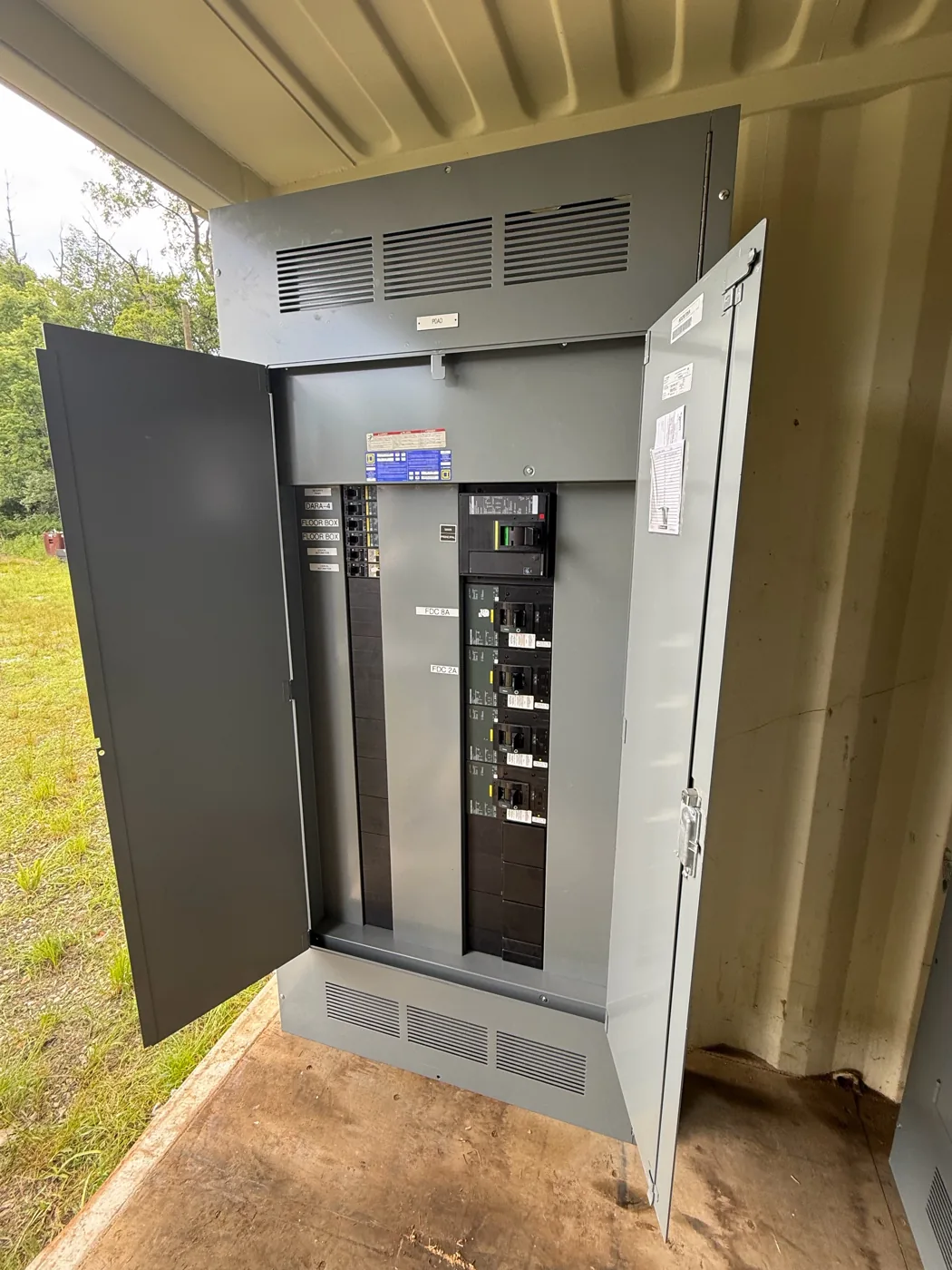
List each item by its visible equipment type, such as switchgear, switchboards, breakers, transformers, or related electrical apparatus. Add a manufacturer or model only when it is plainly available from existing records or a safely visible nameplate. Do not guess at ratings, age, configuration, or contents; uncertainty is more useful when stated than hidden behind an assumption.
Separate the equipment being offered from items that remain in service or belong to another party. If a group includes multiple pieces, indicate whether the offer concerns the entire group or selected items. Ownership information, available records, and a brief account of the equipment’s role at the site can help the buyer understand the scope without requiring the seller to inspect inside an enclosure.
Share Useful Details Without Testing
A quote depends on reviewing the equipment, so provide information that is already available rather than arranging electrical tests. Existing asset schedules, prior purchase records, maintenance documents, or safely obtained exterior photographs may help explain the equipment. A nameplate view is optional when it can be obtained safely; no image is worth approaching a hazard or entering a restricted area.
Describe known condition in ordinary terms: whether the equipment is installed, stored, complete, visibly damaged, or missing components, if that information is already known. Distinguish direct observations from old records or estimates. The buyer does not require sellers to test equipment, and a seller should never open electrical gear to find internal details or approach energized equipment for a better view.
Electrical work, including disconnecting equipment, belongs to qualified personnel following applicable safety procedures. Sellers should not perform electrical handling to prepare a quote or make equipment easier to collect. If the item’s operating status is unknown, simply say so. A useful review can begin with the inventory and available documentation, with questions addressed without unsafe inspection or seller-arranged testing.
Explain the Pickup Location and Availability
For buyer-handled freight, the pickup location matters because it helps frame the collection discussion. Provide the California location at a level you are comfortable sharing during a quote request, along with the site’s general availability and any known access arrangements. Do not assume a particular route, loading area, or facility configuration; describe only what you know or can confirm through ordinary site records.
Existing size and weight information can be useful if it is documented, but it is not necessary to measure or move equipment for the inquiry. Note whether dimensions come from a drawing, asset record, or another source. If no size information is available, say that plainly. This helps distinguish recorded data from estimates and gives the buyer a more accurate basis for reviewing the proposed purchase.
Mention known scheduling constraints, such as when equipment could be released or whether access must be coordinated with a site representative. You do not need to hire a carrier, arrange a crane, or prepare a loading plan. Collection details can be discussed after the equipment and possible purchase have been reviewed, rather than treating freight as a separate service request.
Buyer-Handled Collection and Payment
If a purchase is agreed, the buyer handles and pays for the collection work, including crane, rigging, electrical disconnects, loading, freight, and hauling. The seller does not need to arrange those services. This is not a standalone rigging or transport offer: collection is part of an agreed equipment purchase, and the equipment must first be reviewed for a quote.
Qualified personnel handle electrical disconnects and other electrical work in accordance with applicable safety procedures. The seller should not approach energized equipment, open enclosures, or attempt a disconnect. The buyer handles the collection logistics, while site access and any required coordination can be discussed using information the seller already has. No seller testing is required before the buyer reviews the equipment.
If the purchase is agreed, payment is upfront. An offer alone does not trigger payment, and the quote depends on review of the specific equipment and information provided. The seller’s role is to identify what is available, explain known conditions and access considerations, and make clear who owns it or can authorize its sale.
Make a Clear Quote Request
To request a quote, send a concise inventory, the pickup location, the expected availability, and any existing size information. Include safely available nameplate details, known condition, and ownership or sale-authority information where available. Identify anything uncertain rather than filling gaps with assumptions. These details help the buyer review the equipment and understand the potential collection scope.
If you have existing exterior or nameplate photos that were obtained safely, they may be shared, but photos are not required. Do not open electrical equipment or take pictures of interior parts or connections. If a nameplate cannot be viewed safely, provide the equipment description or available records instead. The inquiry can still proceed without testing or unsafe access.
A precise request also separates equipment included in the proposed sale from items excluded or retained. Once the buyer reviews the information, a quote can be considered for the specific equipment; no price or eligibility should be assumed in advance. For sellers seeking to sell electrical equipment with buyer-handled freight in California, the practical next step is simply to share what is known and ask for a review.