THE BUYER'S GUIDE / CALIFORNIA
Sell Electrical Equipment Requiring a Crane Lift in California
Plan Around the Facility Change
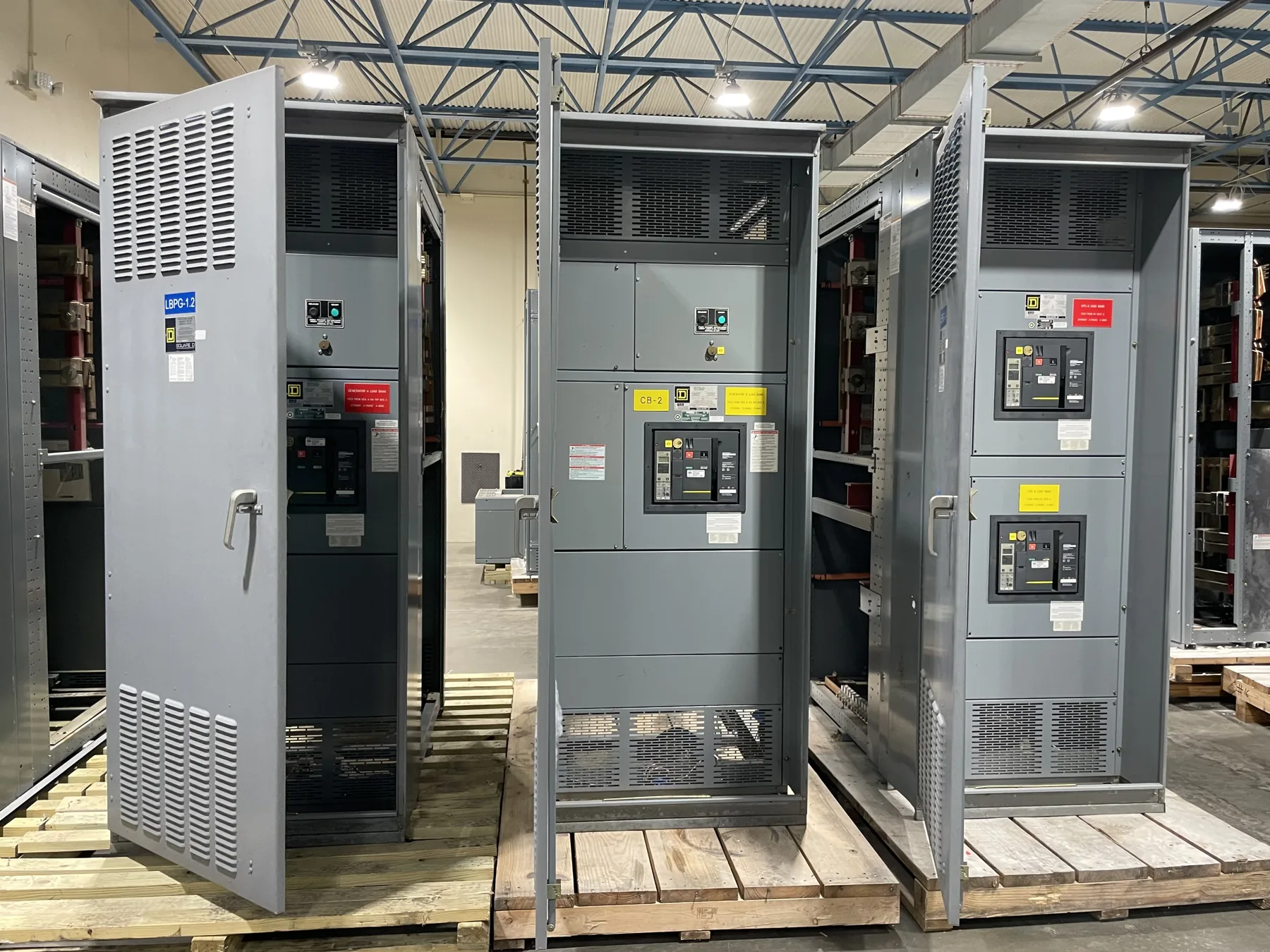
When electrical equipment must leave a facility during renovation, decommissioning, or a change in operations, its route out can shape the collection plan. A large transformer, switchboard, or other heavy assembly may need crane access because ordinary doors, corridors, or loading areas do not provide a practical path. The actual requirements depend on the equipment and the site, so share what is known rather than assuming a particular lift arrangement.
If you are considering selling electrical equipment requiring a crane lift in California, describe the equipment’s current location and the reason it needs to be moved. Equipment from a decommissioned data center or shut-down power plant may have been disconnected, relocated, or stored in a different area over time. That background can help explain access and condition, but it does not establish the equipment’s value or whether a purchase can be agreed.
The business buys used and surplus switchgear, including equipment from decommissioned data centers and shut-down power plants, and makes cash offers after reviewing information about the equipment. It buys all voltage classes and does not require sellers to test equipment. A quote depends on review; an offer alone does not trigger payment. If a purchase is agreed, payment is upfront, and the buyer handles and pays for collection logistics, including crane work when needed.
Identify What Is Being Considered
Start with the equipment type and any identifying information that is safely visible from outside. A nameplate may show a manufacturer, model, serial number, voltage class, or rating, but do not guess at missing details. These identifiers help distinguish a complete assembly from a partial unit and give the reviewer a useful starting point for understanding what is being offered.
Share the approximate quantity and whether the equipment is intact, incomplete, or accompanied by related components, if you know. Mention visible exterior condition, such as damaged enclosures, missing doors, or signs that parts have been removed. Such observations are not a substitute for inspection or testing; they simply provide context. Do not open electrical equipment or approach energized parts to gather information or take pictures.
Existing records can fill gaps when a nameplate is difficult to see safely. You may share available equipment schedules, purchase records, or decommissioning documents, while making clear when details are uncertain. Optional photos should be limited to existing images or safely visible exterior and nameplate views. No photo is needed if obtaining one would be unsafe, and the seller is not expected to test the equipment.
Describe Crane Access Safely
For a possible crane lift, explain where the equipment sits and what is known about the route from its current position to a loading area. Useful context can include whether it is indoors or outdoors, the approximate distance to an exit, and any known overhead or doorway clearances. Do not estimate measurements unless you have a reliable basis; a note that a clearance is unknown is more useful than a confident guess.
Mention known obstacles that could affect collection, such as restricted vehicle access, an elevated platform, a narrow approach, or other equipment near the unit. These details help the buyer review the collection issue without assuming the site has a particular layout. Safely obtained exterior photos of the equipment and access path may help, but do not enter restricted areas or move objects to create a clearer view.
The seller does not need to hire a crane, arrange rigging, or prepare an electrical disconnect as a condition of requesting a quote. If a purchase is agreed, the buyer handles and pays for crane, rigging, disconnects, loading, freight, and hauling. Electrical handling and disconnects are performed by qualified personnel following applicable safety procedures. Never approach or work on energized equipment to help plan or facilitate a lift.
Share Condition and Ownership Context
A brief account of the equipment’s history can make review more useful. Explain whether it was operating before removal, kept as a spare, taken out of service during a shutdown, or left in place during a facility change, if that is known. If its history is unclear, say so. Buyers should not treat unverified operating status as proof of present condition, and sellers do not need to arrange a test.
Describe condition only from information already available or observations made safely. You can mention whether the exterior appears complete, whether related parts are present, or whether records indicate prior repairs. Do not open covers, inspect internal connections, or make measurements on electrical components. If the equipment may still be connected or energized, leave it alone and let qualified personnel handle electrical work under applicable safety procedures.
Clarify whether you own the equipment or are authorized to discuss its sale on the owner’s behalf, and identify any known limits on what is included. This helps establish that the item under review is the one being offered and avoids confusion about accessories or separate assets. You need not produce a particular document at the outset; simply explain what ownership information is available for review.
Request a Review and Quote
A practical quote request can bring together the equipment description, available nameplate details, quantity, known condition, and the location where the equipment sits. Add the decommissioning or facility-change context and explain why a crane lift may be involved. Include known access constraints and clearances, while distinguishing confirmed information from estimates. This gives the reviewer a grounded picture without requiring you to solve the collection plan.
If you have existing photos, records, or safely obtained exterior views, you may share them, but none is required if it is unsafe or unavailable. Do not test the equipment, open it, or take risks to gather additional information. The buyer reviews what you can provide and determines whether to make an offer; no particular price, eligibility, or timing is guaranteed before that review.
When a purchase is agreed, payment is upfront, and the seller does not need to arrange crane service, rigging, electrical disconnects, loading, freight, or hauling. The buyer handles and pays for those logistics. To begin, describe the equipment and its location, explain the known lift and access issue, and share any safely available identification or ownership context. That is enough to start a review without asking the seller to perform electrical or lifting work.