THE BUYER'S GUIDE / CALIFORNIA
Sell Electrical Equipment From a Plant Relocation in California
Identify What Will Not Move to the New Site
A plant relocation creates a useful moment to decide which electrical assets will travel and which will remain behind. If you want to sell electrical equipment from a plant relocation in California, begin with the equipment excluded from the move. Separating it from assets assigned to the new site avoids confusion and lets a buyer review the specific surplus rather than a general relocation inventory.
Relocation plans often have several dates: packing, shutdown, access for removal, and final handover. State when the equipment is expected to become available, and mark tentative dates as tentative. If one group can be considered before another, describe the groups separately. The schedule is planning information, not a promise that removal or a sale will occur on a particular day.
The business buys used and surplus switchgear, including equipment associated with plant shutdowns and relocations. It buys all voltage classes, makes cash offers, and pays upfront. A quote depends on review of the particular equipment; the fact that an asset is not moving does not by itself establish value or eligibility.
Build a Reliable Inventory of the Left-Behind Assets
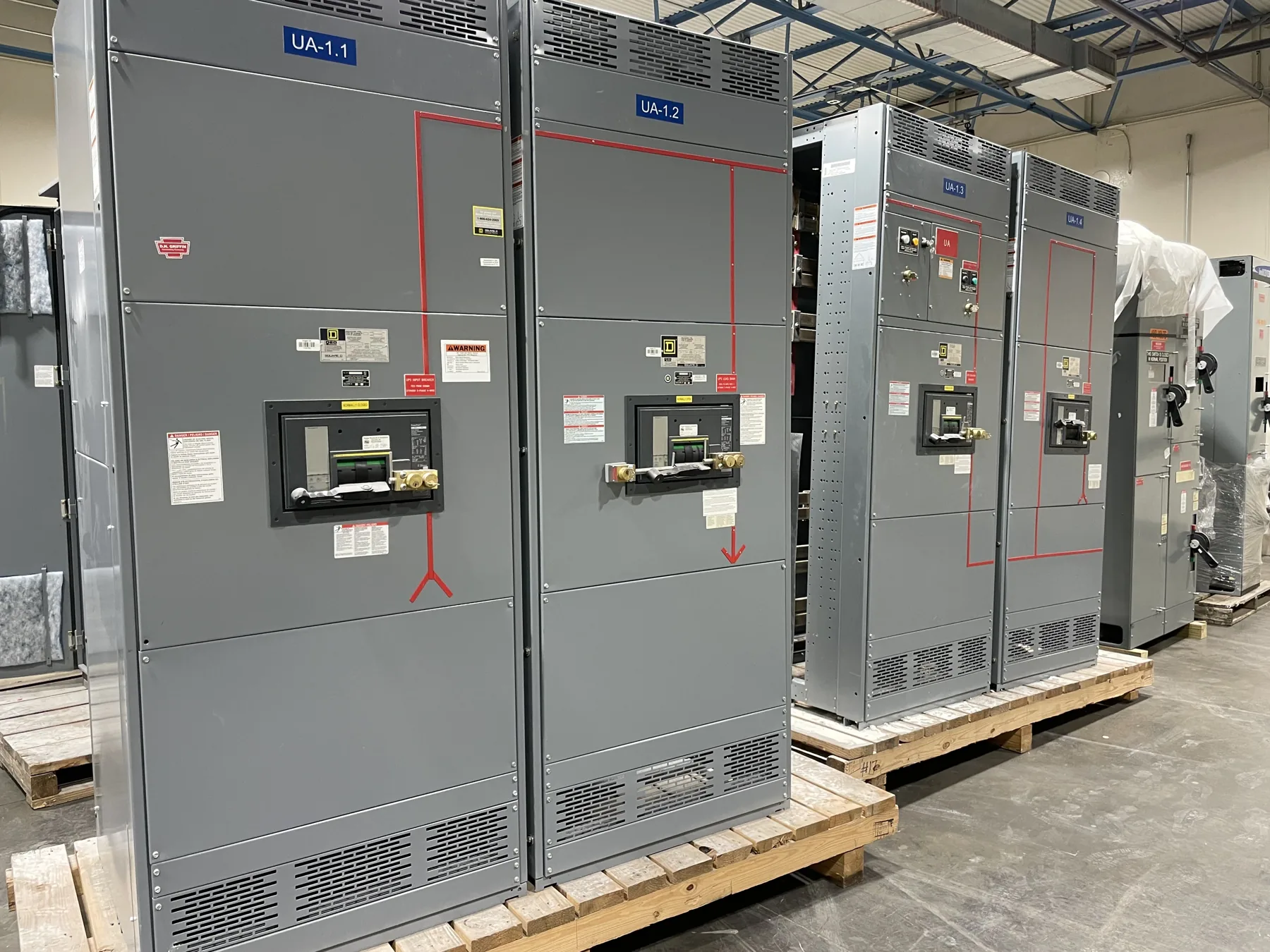
Make an inventory focused on what can be identified. Useful details include clear photographs, visible labels, manufacturer or model markings, quantity, and a description of each assembly. Share nameplate information only when it can be read reliably. If a label is missing or obscured, state that directly rather than inferring specifications from nearby equipment or relocation documents.
For each item, explain whether it remains installed, has been disconnected, has been removed, or is stored. Note whether the equipment was in active use or kept as a spare if that information is known. These descriptions help distinguish the history of an asset from its present condition. Neither a prior operating role nor a stored status should be treated as proof of current performance.
The relocation may include equipment that is moving, equipment that is being retained, and equipment that is available for review. Make those categories unmistakable. A short identifier, count, and photograph reference can connect each description to the right item. This is especially helpful when multiple assemblies appear similar, and it reduces the chance that a quote request includes assets destined for the new facility.
Explain the Move and the Availability Window
Describe the relocation context in plain terms: the plant is moving, certain equipment is not part of the move, and the listed assets may be available on an expected date. If the decision is still subject to planning or approvals, explain that status. The buyer needs a useful picture of the timing, not an unsupported assurance that the relocation will proceed on a fixed schedule.
If the old site will remain accessible for a limited period, mention the expected access window and who can coordinate entry. You can also describe where the equipment is situated and whether the route to a loading area has known restrictions. Those details help with logistical planning while leaving the handling plan to the buyer.
Avoid attributing conditions to the plant or its location that you cannot confirm. If the equipment comes from a shut-down operation, say that only if it is accurate. The business buys switchgear from shut-down power plants as well as from decommissioned data centers, but a plant relocation should be explained using the seller’s actual circumstances, not assumptions about a site or region.
Plan Access Without Performing Electrical Work
For a review, share practical access facts such as indoor or outdoor placement, known clearance limitations, and whether the equipment remains within an operating area. You do not need to prepare a removal plan or hire a separate logistics provider. If a facility representative must coordinate access, identify that role without implying that the representative will perform electrical work.
The business handles all rigging and logistics at its expense, including crane, rigging, disconnects, loading, freight, and hauling. Electrical handling and disconnects belong to qualified personnel following applicable safety procedures, and the buyer handles the work. Never work on energized equipment or attempt to disconnect it yourself.
There is no requirement for the seller to test equipment. You may share available inspection information, photographs, or records as context, while explaining what is unknown. If the asset is still installed, simply say so. Clear information allows the buyer to consider the practical circumstances without asking you to make the equipment safe, prove operation, or arrange its transportation.
Send a Quote Request That Supports Review
A useful request says that you want to sell electrical equipment from a plant relocation in California and identifies the switchgear not moving to the new site. Include available label photographs, quantity, current status, and the expected availability date. Add a sentence about the relocation sequence or access window if it affects when the equipment can be reviewed or handled.
Ask for a quote based on review of those particular assets. The business makes cash offers and pays upfront, but a quote depends on the equipment being reviewed; no price or eligibility can be guaranteed from a short description. The business buys all voltage classes and does not require testing. Be candid about missing information instead of filling gaps with assumed specifications.
If clarification is needed, keep it tied to the inventory, availability, or access information you supplied. The buyer takes care of rigging and logistics at its expense, so you do not need to arrange a crane, disconnects, loading, freight, or hauling. A factual request helps move the conversation toward review while keeping the distinction between assets being relocated and assets offered for consideration clear.