THE BUYER'S GUIDE / CALIFORNIA
Sell Electrical Equipment After a Facility Upgrade in California
Decide What the Upgrade Leaves Surplus
When a facility upgrade replaces electrical equipment, the first decision is whether the removed asset is genuinely surplus or still needed as a spare. If you want to sell electrical equipment after a facility upgrade in California, identify the particular switchgear assemblies that will no longer serve the site. A clear boundary between retained assets and offered equipment makes a review more meaningful.
The change may be planned in stages, so note when each item is expected to become available rather than treating the entire upgrade as one removal date. A buyer can consider equipment that remains installed, has been disconnected, or is ready for later coordination, based on the information provided. Do not delay an inquiry just because work is ongoing, but explain what is known.
The business buys used and surplus switchgear, including equipment from facilities undergoing change. It buys all voltage classes, makes cash offers, and pays upfront. A quote depends on reviewing the actual equipment; an upgrade plan alone does not establish value or eligibility. A concise equipment summary gives the buyer a starting point for that review.
Describe the Equipment Being Replaced
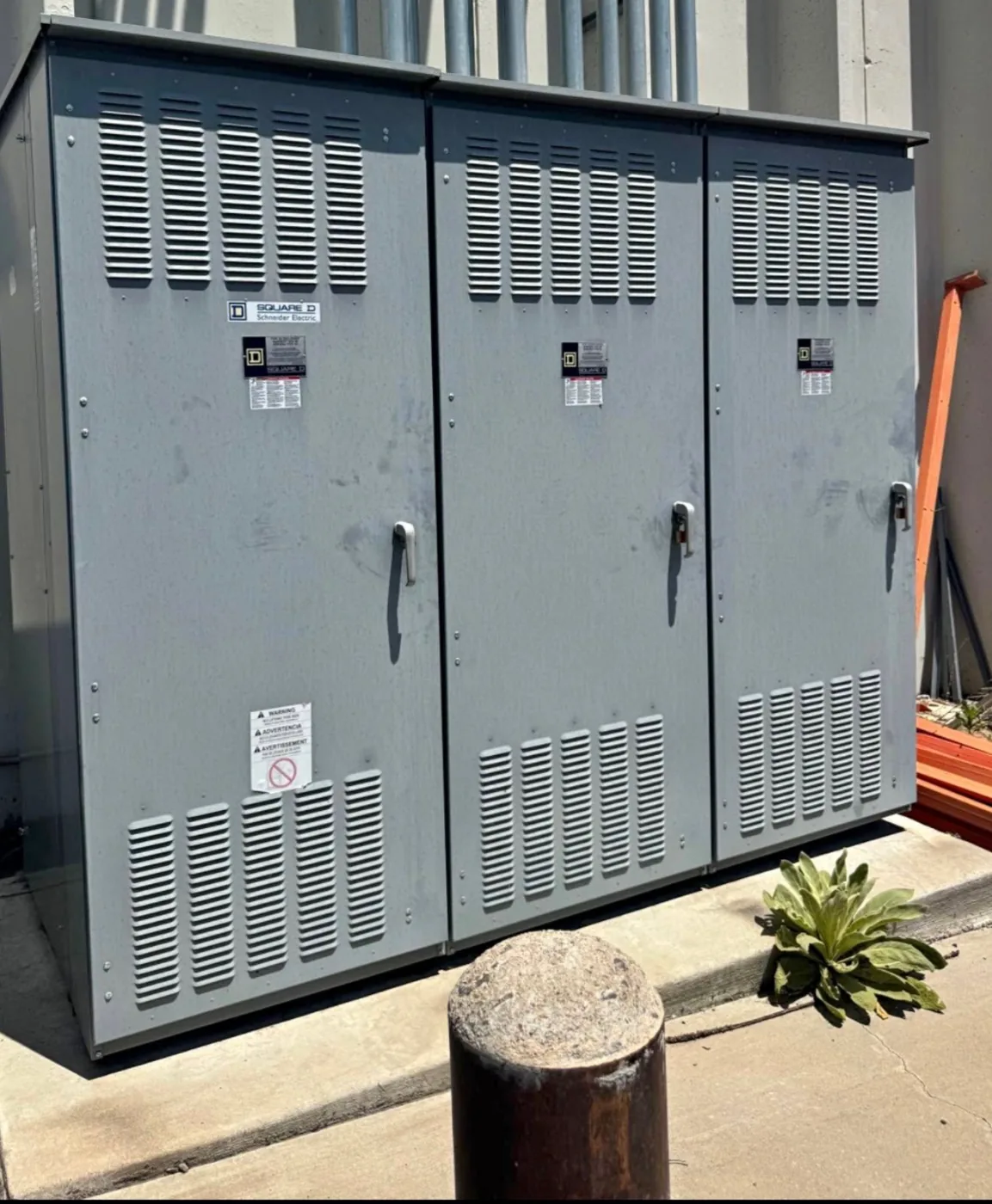
Identify each assembly with whatever reliable details you have: photographs, readable nameplate information, manufacturer or model markings, and a description of its role in the facility. Do not guess at voltage, configuration, or other specifications if the label is unavailable. Accurate distinctions matter because a replacement project may involve multiple pieces that look similar but are not necessarily the same equipment.
Describe the current status plainly. State whether the equipment is still installed, already disconnected, removed, or stored, and distinguish confirmed facts from expectations. You do not need to test the equipment. If operational history or maintenance information is available, it may be shared as context, but do not represent it as proof of condition or as a substitute for review.
For a group of assets, provide an item-by-item summary where practical. A count, short identifier, and image reference can help connect a description to the correct cabinet or assembly. If the upgrade replaces only part of a system, explain which items are included and which remain in service. That boundary prevents a quote request from unintentionally covering equipment the facility plans to retain.
Set an Availability Date Around Upgrade Work
A useful availability date is the date the equipment can reasonably be considered for removal or access, not merely the day a new system is installed. If the schedule is provisional, say that it may change. For phased upgrades, provide separate expected dates for different groups. This gives the buyer a realistic planning picture without asking you to make a commitment before the project is ready.
Share whether the old equipment must remain in place until commissioning, whether the area has a restricted access window, and who can coordinate entry. These details do not require you to plan the removal. They help explain the sequence and allow the buyer to consider rigging and logistics in relation to the facility’s schedule.
If a facility is closing or an area is being decommissioned as part of the upgrade, mention that context briefly. The business also buys switchgear from decommissioned data centers and shut-down power plants, but each facility and equipment group should be described according to facts you know. Do not infer local project details or claim a particular site has characteristics that were not provided.
Leave Handling and Transportation to the Buyer
When describing site access, note where the equipment is located and any known obstacles to reaching it. Relevant information might include whether it is indoors, the available loading approach, or the need to coordinate with facility operations. You are sharing context for review, not taking responsibility for arranging a crane, disconnect crew, freight, or hauling.
The business handles all rigging and logistics at its expense, including crane, rigging, disconnects, loading, freight, and hauling. The seller does nothing but get paid. Electrical handling and disconnects must be performed by qualified personnel following applicable safety procedures, and the buyer handles that work. Never attempt to work on energized equipment or perform an electrical disconnect yourself.
No seller testing is required. If you have inspection records, operating information, or photographs, you can provide them as available information, while clearly noting any gaps. If access or timing is not yet settled, say what is pending. This practical transparency is more useful than offering unsupported assurances about readiness or condition.
Make a Specific Quote Request
For an actionable request, state that you want to sell electrical equipment after a facility upgrade in California and identify the switchgear being replaced. Include available photographs or label details, quantity, whether it is installed or removed, and the expected availability date. Add a short note about the upgrade sequence and any access considerations that could affect a later review.
Ask the buyer to review the equipment rather than requesting a guaranteed price based only on a project description. The business makes cash offers and pays upfront, but each quote depends on review of the specific items. It buys all voltage classes and does not require testing. If the nameplate or condition is uncertain, say so; do not create technical details to complete the request.
A buyer may need clarification about which assets are included, when access is possible, or what information is confirmed. Keep your response tied to the actual equipment and schedule. Since the business takes care of rigging and logistics at its expense, you do not need to arrange removal or transportation. A precise request helps start the review while leaving valuation and coordination to the appropriate parties.