THE BUYER'S GUIDE / CALIFORNIA
Sell Electrical Equipment From Building Demolition in California
Identify Surplus Before Demolition Work
Before building demolition advances, determine which electrical assets are approved for release rather than treating every installed unit as demolition debris. The project team may need to distinguish equipment that remains part of the building's systems from equipment already designated as surplus. Confirming that status with the authorized project team helps prevent conflicting plans.
For anyone planning to sell electrical equipment from building demolition in California, start with a written inventory of the items under consideration. Include equipment type, quantity, building location, and any available manufacturer or model information. If the exact classification is uncertain, describe what is visible and where it is installed instead of assigning a nameplate specification.
A review can begin with existing information; sellers are not required to test equipment. The inventory is especially useful when demolition planning involves multiple work areas or changing access. It gives the buyer a clearer basis to review the offered assets while the project team retains control of site decisions and permissions.
Record Identity and Visible Condition
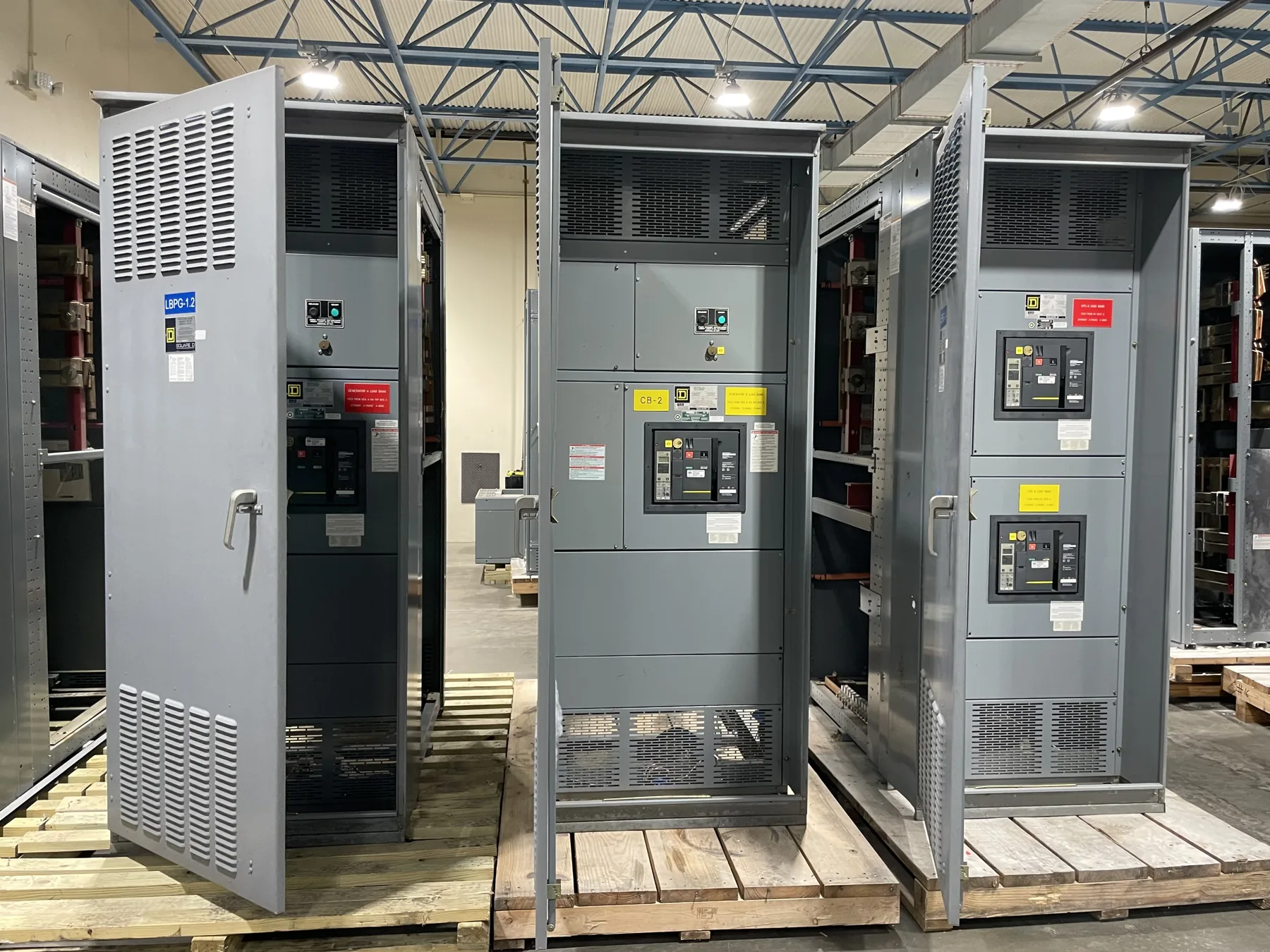
Electrical equipment released during demolition may include switchgear, breakers, switchboards, transformers, or related assemblies. List each type separately when possible and distinguish cabinets from loose components. This prevents a broad description such as “electrical equipment” from obscuring the number and form of the assets being considered.
Share manufacturer, model, or voltage-class information only when it is already available or can be read safely by qualified personnel. Existing asset records and safely obtained photographs may be helpful. Do not remove panels, approach energized equipment, or conduct tests to answer a buyer's questions; information gaps can simply be identified as unknown.
Describe visible condition in factual language. For example, note whether equipment appears complete, whether a cabinet is visibly damaged, or whether components have been separated. Such observations inform a review but do not certify operating condition. The business buys all voltage classes, so an unknown or varied voltage class can be disclosed rather than used as a reason not to ask.
Coordinate With the Authorized Team
Demolition access is governed by the people authorized to manage the project and facility. Identify who can confirm that assets are released, who can arrange permitted access, and what areas are available for a review. Do not assume that a contractor, tenant, or building representative can approve removal unless that authority has been established.
Share the project stage and any known sequencing limits, such as when an area is expected to become inaccessible. This information helps the buyer consider logistics without asking the seller to change demolition plans. Keep equipment location notes specific enough to distinguish rooms, floors, or work zones, while avoiding unsupported assumptions about site conditions.
Electrical disconnects and handling must be performed by qualified personnel following applicable safety procedures. The buyer handles disconnects and the other logistics associated with its purchase. The buyer coordinates and pays for qualified electrical personnel, subject to the facility's access rules and applicable project procedures.
Plan Access and Equipment Removal
Describe how equipment can be approached and loaded, based on information the authorized project team can safely provide. Note known loading routes, access restrictions, stairs or level changes, and whether a crane may be relevant. These details are not a request for the seller to arrange removal; they help the buyer understand the logistical setting for review.
The business handles rigging and logistics at its expense, including crane, rigging, disconnects, loading, freight, and hauling. The seller does not need to source a carrier or organize lifting. Sharing accurate location and access information helps the buyer plan its responsibilities alongside the demolition schedule.
Avoid moving or disconnecting equipment to make a review easier. If the items are still installed, say so. If they have already been removed and stored, identify the storage area and how the pieces are grouped. In either case, qualified personnel follow applicable safety procedures, and the buyer handles the work it is responsible for.
Make a Clear Quote Request
A useful quote request brings the inventory and project context together. Send a description of each equipment group, quantities, visible identification, current condition observations, and the location within the California property. State whether the assets are approved for release and share any project access limits or anticipated sequencing information that is already known.
If existing maintenance records, asset schedules, or photographs are available, they may help explain the items. Testing is not required, and no one should create new records by handling energized equipment. A quote depends on review of the equipment and information; it is not possible to promise a price, eligibility, or exact timing in advance.
The business buys used and surplus switchgear, including equipment from decommissioned data centers and shut-down power plants. It makes cash offers and pays upfront. Once the buyer reviews the equipment, it handles the agreed rigging and logistics at its expense, leaving the seller with no removal work to arrange.