THE BUYER'S GUIDE / CALIFORNIA
Sell Construction Surplus Electrical Equipment in California
Turn a Changing Jobsite Into a Clear Equipment Plan
A construction project can leave electrical equipment behind when a temporary installation is removed, a building plan changes, or a completed site no longer needs materials set aside for its next phase. If you want to sell construction surplus electrical equipment in California, begin by separating identifiable surplus from items still assigned to active work. That simple distinction helps a buyer understand what may be reviewed without disrupting your project.
The equipment may have been installed and later removed, or it may remain unused in its original packaging. Both situations are worth describing accurately; neither should be presented as a condition guarantee. Note whether an item is still connected, has been disconnected, or is already staged, and leave electrical handling to qualified personnel following applicable safety procedures.
A buyer of used and surplus switchgear can review equipment from a construction surplus lot, including material associated with a wider site closure or decommissioning. The business buys all voltage classes and makes cash offers with payment upfront. A quote depends on reviewing the equipment, so a clear description is a useful first step rather than a promise of value or acceptance.
Separate Installed Equipment From Unused Materials
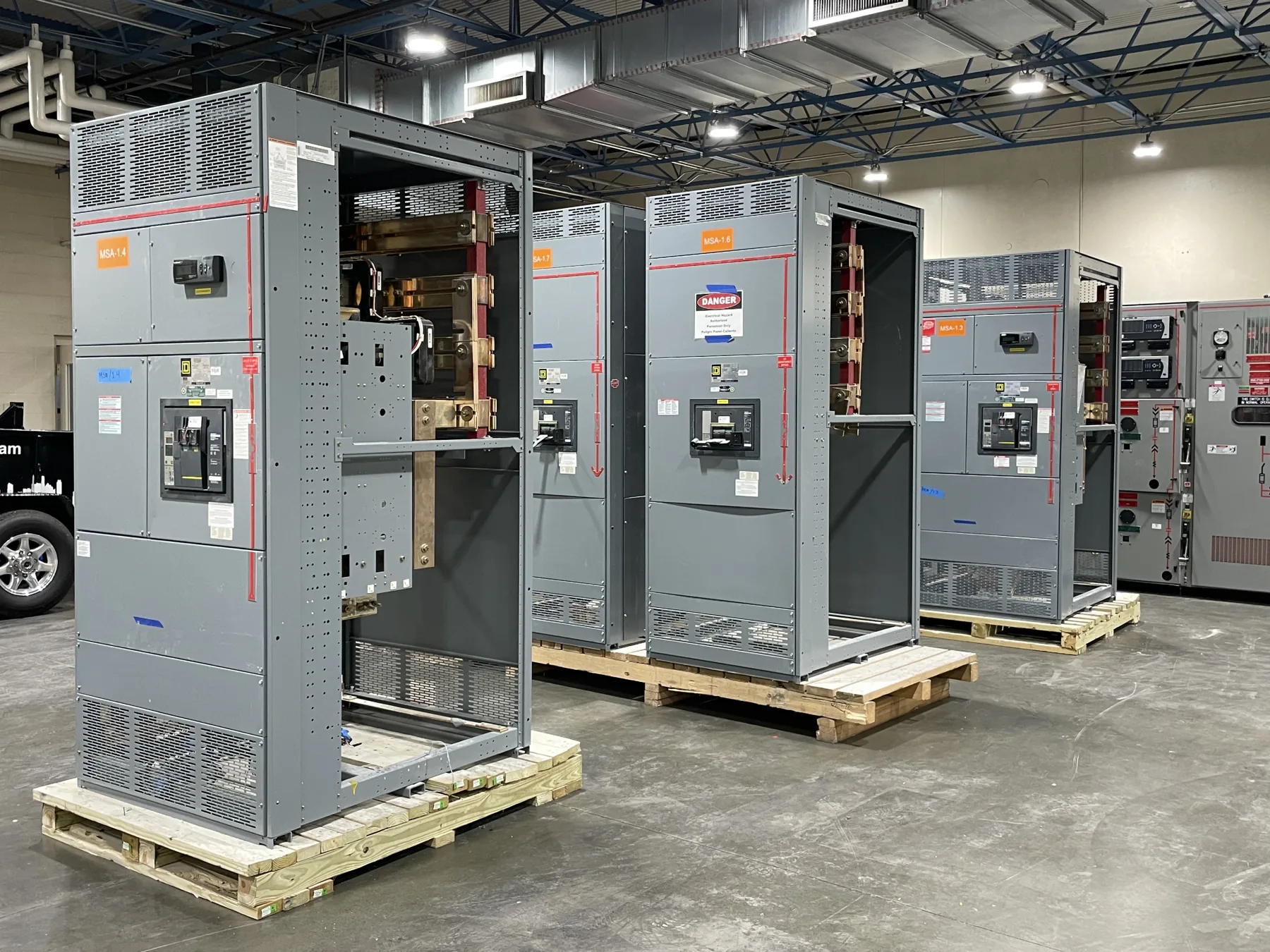
Start with the equipment’s visible identity. Share photographs of nameplates, labels, cabinet fronts, and any markings that help distinguish one assembly from another. If information is difficult to read, say so rather than guessing. Manufacturer, model, voltage, and configuration details can help clarify what is being offered, but do not invent missing nameplate information or assume similar-looking units are identical.
Explain whether each item was installed, remained unused, or was removed from service. For installed equipment, describe what you know about its role and removal status; there is no need to conduct a test. For unused materials, mention packaging or storage conditions only when known. These details help frame a review and keep an accurate difference between documented facts and assumptions.
If a surplus group includes switchgear alongside other electrical materials, identify which pieces are switchgear and which are not. A grouped overview, followed by separate images or descriptions for distinct assemblies, reduces ambiguity. The business buys used and surplus switchgear, but a quote still depends on reviewing the particular equipment; avoid treating a broad project label as a complete equipment description.
Make the Decommissioning Context Understandable
Construction surplus may arise during a phased build, a change in design, a contractor handoff, or removal of temporary power arrangements. Give a short explanation of why the equipment is available and whether the surrounding work is ongoing or complete. The point is not to provide a project history; it is to show whether the items can be considered separately from equipment still needed on site.
If equipment came from a decommissioned area, say what is known about its status and who is coordinating access. The business also buys switchgear from decommissioned data centers and shut-down power plants, but a construction setting should be described on its own terms. Avoid assuming that a particular California location, industry, or project type has facts not supplied by your organization.
A simple inventory can record quantity, equipment description, installed or unused status, and current location within the site. Add any known removal or availability date if scheduling matters. If details remain uncertain, label them as unknown. A straightforward account is more useful for review than a polished but unsupported claim about condition, completeness, or suitability.
Coordinate Access Without Taking On the Rigging
Before requesting a quote, describe how the equipment is situated: indoors or outdoors, at grade or on an elevated level, and whether a loading area is accessible. Mention known constraints such as a narrow access route, restricted work window, or need to coordinate with a site representative. These facts help the buyer consider the practical handling plan without asking you to arrange a sale-side crew.
The business handles the rigging and logistics at its expense, including crane, rigging, disconnects, loading, freight, and hauling. Sellers do not need to organize those services as part of the purchase. Electrical disconnects and other electrical handling belong to qualified personnel following applicable safety procedures; the buyer handles the work. Never attempt to disconnect energized equipment yourself.
You do not need to test equipment before asking for review. Instead, share available records, photographs, and known safety or access information as information only. If the equipment remains in place, explain that condition and identify the person who can coordinate site access. This lets the buyer assess what further coordination may be appropriate without asking you to perform electrical work.
Request a Quote With Useful Project Details
A practical quote request can be brief: state that you want to sell construction surplus electrical equipment in California, describe the switchgear, and explain whether it was installed or remains unused. Include available nameplate images, approximate quantity, known location within the site, and the date the equipment may be available. You may also note whether the group is part of a broader decommissioning or project closeout.
Ask for a review of the specific equipment rather than assuming a price or eligibility. The business makes cash offers and pays upfront, but the quote depends on reviewing what is being offered. It buys all voltage classes and does not require sellers to test equipment. If information is incomplete, identify what you know and what you cannot confirm; that is better than filling gaps with estimates.
After you send the details, be prepared to clarify equipment identity, availability, or access arrangements if needed for review. The business handles rigging and logistics, including disconnects and transportation, at its expense, so the seller does nothing but get paid. Keep the equipment description factual, make the availability date clear, and request a quote for the particular surplus items you have identified.