THE BUYER'S GUIDE / CALIFORNIA
Sell 400-Amp Electrical Equipment in California
Start With the Rating You Can Verify
Before discussing freight or removal, identify the equipment and report the amperage actually shown on its nameplate. A seller considering how to sell 400 amp electrical equipment in California should not rely on a remembered rating, a nearby component, or a label from a different unit. A photograph of the plate helps the buyer review what is being offered.
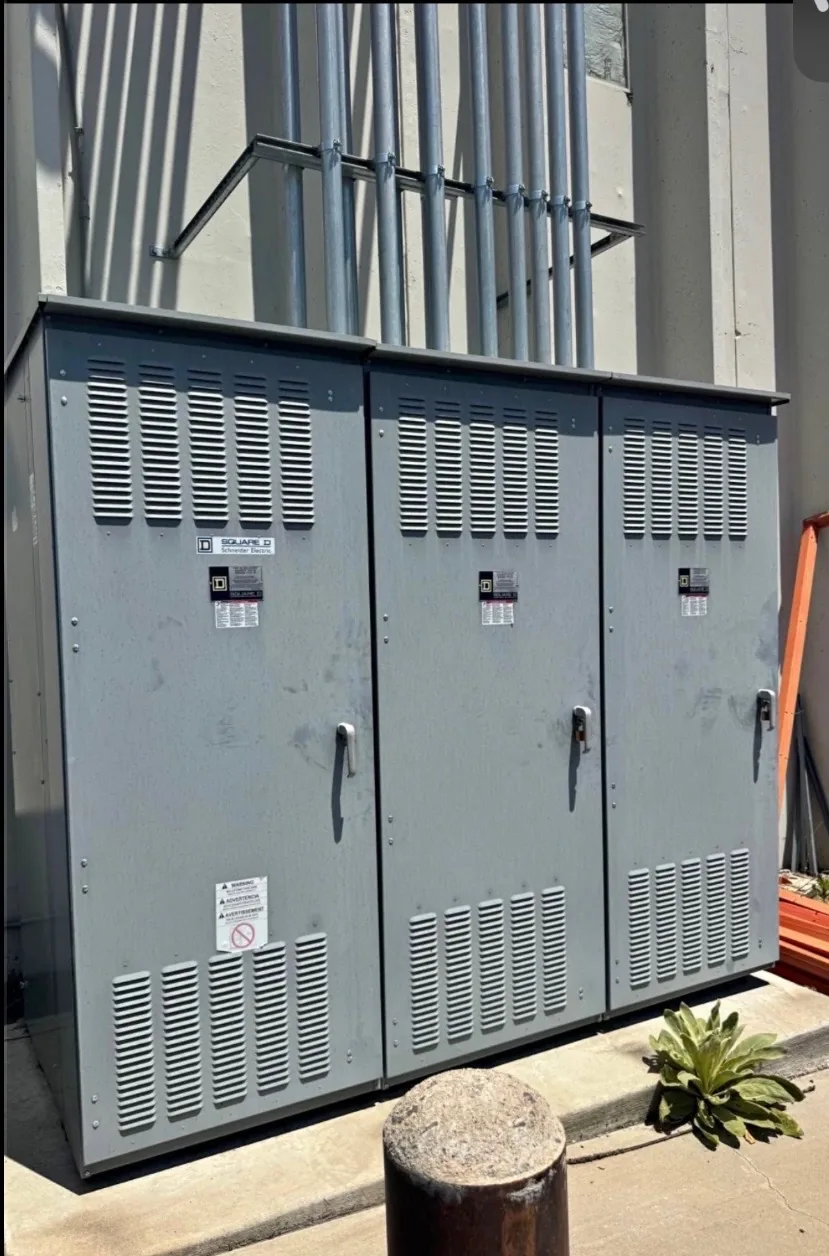
The equipment type matters because a 400-amp rating can appear on different kinds of electrical equipment. Name whether the item is a switchgear assembly or another identifiable type, then provide its manufacturer, voltage, and condition as understood from available information. If the nameplate is missing or unreadable, say so rather than estimating or supplying a rating that cannot be confirmed.
A buyer's review depends on the actual equipment and the details shared; mentioning 400 amps alone does not establish value or guarantee an offer. Testing is not required. Existing records and exterior photographs can help explain the item, while unknown condition details can remain open for the buyer's review.
Clarify What the 400-Amp Label Applies To
Check that the amperage information corresponds to the item being offered, not to a larger lineup or an adjacent device. If several pieces are grouped together, photograph each nameplate separately and explain which equipment each label identifies. This avoids confusion when an assembly contains components with their own distinct ratings and manufacturer information.
Use the equipment's actual nameplate amperage even if a sales record or recollection uses a rounded figure. If the plate shows a value other than 400 amps, report the value as printed and explain any reason the equipment was described as 400 amp equipment. Do not alter, interpret, or infer technical information beyond what can be read from the label or reliable existing documentation.
Include the manufacturer and model when legible, the nameplate voltage, and a plain description of visible condition. For example, say whether the enclosure is intact or whether a visible part is absent, without claiming the equipment operates. Such distinctions help the buyer understand the item while avoiding an unverified operating assessment or any request that the seller conduct a test.
Describe Condition and Removal Context
Explain where the equipment came from and why it is no longer needed, if that history is known. It might be part of a facility update, closure, or broader decommissioning, but do not assume the reason if it is unclear. The business buys used and surplus switchgear, including equipment from decommissioned data centers and shut-down power plants, across all voltage classes.
Condition can be described through observable facts and available records, not a seller-performed inspection or test. Mention whether the equipment is still installed, has already been disconnected, or is stored elsewhere, if known. If the status cannot be confirmed, say so. Avoid opening equipment or handling electrical parts to answer questions; safety work belongs to qualified personnel.
A few clear exterior photos can show the overall equipment, visible labels, and any obvious differences between sections. Photos provide context but do not prove that a unit is operational or complete. If accessories, breakers, or related components are included, describe them only to the extent they can be identified, and separate confirmed details from uncertainties.
Plan Removal Through the Buyer
Once the equipment has been identified, describe how a crew could access it. Share its position in the facility, the route toward loading, and known constraints such as tight doorways, limited vehicle approach, overhead clearance, or the possible need for a crane. Access information helps plan logistics; it does not require the seller to disconnect, move, or prepare the equipment.
Electrical disconnects and handling must be performed by qualified personnel following applicable safety procedures. Never work on energized equipment. The buyer handles disconnects, rigging, loading, freight, hauling, and crane arrangements at its expense. A seller can therefore report the current installation and access situation without taking on electrical work or arranging transport.
If access details are uncertain, provide a short explanation and any available site photos rather than promising a particular removal method. Note whether the equipment is part of a larger lineup and whether it can be approached without passing through restricted areas, if that is known. The buyer can review these practical details alongside the equipment information before discussing an offer.
Request a Quote With Specific Details
A clear quote request identifies the equipment type, manufacturer, model if readable, actual nameplate amperage, voltage, and known condition. Include photos of the full unit and its nameplate, plus a note about what components are included. Add the quantity, current location, decommissioning or removal status, and access constraints. Mark unknown information clearly instead of guessing.
For multiple pieces, give each item a separate description and connect its ratings to the correct photo. If the equipment is described as 400 amp but its plate shows something different, explain that discrepancy directly. This gives the buyer a fair basis to review the equipment without relying on a broad category label or an unsupported assumption about operating condition.
A quote depends on reviewing the information and equipment; it is not a guaranteed valuation or a promised price. The business makes cash offers and pays upfront, and the seller does nothing but get paid. No testing is required. The buyer handles disconnects, rigging, loading, freight, hauling, and crane needs at its expense, so the request can focus on identification and access.