THE BUYER'S GUIDE / CALIFORNIA
Sell 3,000-Amp Electrical Equipment in California
Review First, Move Later
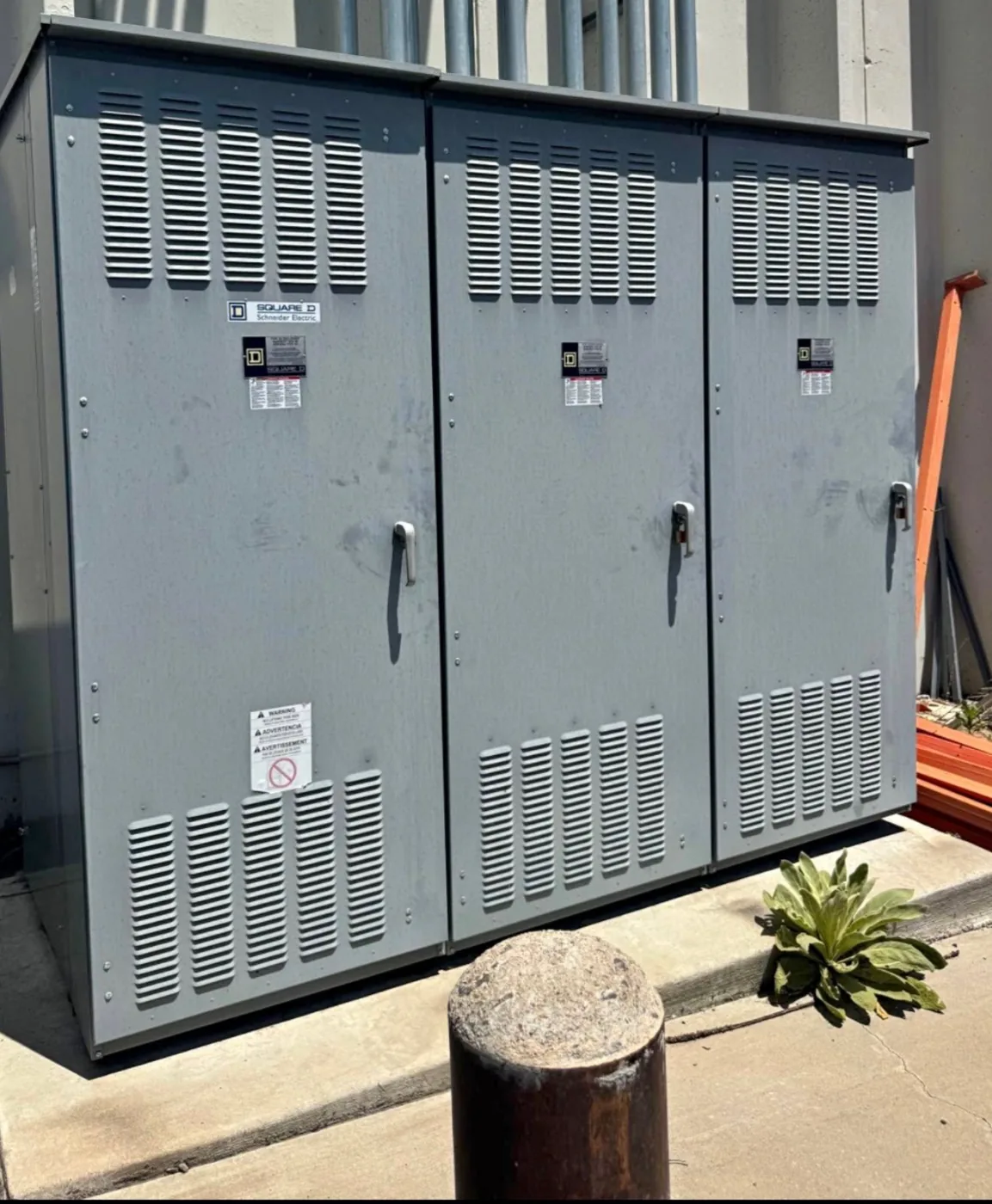
When you plan to sell 3000 amp electrical equipment in California, the first useful step is not arranging freight. It is giving a buyer enough information to review what the equipment actually is. Start with the nameplate amperage and equipment type, then add the manufacturer, voltage, and known condition.
A 3,000-amp rating can describe equipment in different forms and configurations. One rating does not tell a reviewer whether the offering is a switchgear lineup, a switchboard, or a partial assembly, nor what components are included. Describe visible labels and the boundaries of the equipment rather than making assumptions from a facility drawing.
The business buys used and surplus switchgear and makes cash offers with upfront payment. Any quote depends on reviewing the equipment; the stated rating alone does not guarantee a valuation or acceptance. Sellers do not need to test equipment to begin a review.
Identify the Equipment Clearly
Use the amperage printed on the actual nameplate when it is available. If the label is difficult to read, report that fact and share a legible photograph only if it can be taken safely. Do not estimate from a similar unit or copy a rating from an unrelated schedule just to complete the description.
The equipment type, manufacturer, voltage, and apparent configuration help distinguish the assembly under consideration. Note whether it is a complete lineup, a single section, or several identified sections. If component names are visible, share them as observations, not as a promise that every part is present or functional.
Condition descriptions are most helpful when they distinguish known facts from uncertainty. You might explain that equipment is stored, installed, disconnected, incomplete, or awaiting decommissioning, and mention visible damage or missing items. There is no need to energize, operate, or test anything for a quote request.
Explain the Removal Setting
Before freight is discussed, describe the route by which the equipment could leave the property. Useful context includes its position within the building, doorway and corridor constraints, stairs or level changes, and the distance to a loading area. If a crane might be relevant because of access, report the site condition rather than arranging one yourself.
The buyer handles rigging and logistics at its expense, including crane, rigging, disconnects, loading, freight, and hauling. The seller does not have to book transport or take on the physical removal. Access information helps the buyer understand the work involved and consider it alongside the equipment details.
Never work on energized equipment or attempt electrical disconnects. Electrical handling and disconnects are for qualified personnel following applicable safety procedures, and the buyer handles that work. Share any known shutdown or access coordination requirements so that removal can be planned responsibly without asking you to perform technical work.
Share Records Without Guessing
Photographs, equipment schedules, drawings, and existing nameplate records can help clarify a 3,000-amp assembly. Send only material that accurately relates to the equipment being offered. If records conflict with the visible label, point out the discrepancy instead of deciding which figure is correct on the buyer’s behalf.
For surplus from a decommissioned data center or shut-down power plant, the origin may provide useful context, but it does not replace equipment identification. State the source only when known, and explain whether the offered equipment has already been separated from other assets. The buyer needs to understand what is included in the proposed sale.
California is the relevant location for arranging review and logistics, but no local facility or particular site condition should be assumed. A general location, access notes, and any known timing constraints are more useful than unsupported claims about the property. Keep the description practical and share sensitive details only when needed for coordination.
Ask for a Quote
A clear quote request can be brief while still covering the essentials: actual nameplate amperage, equipment type, manufacturer, voltage, condition, quantity, and what sections or components are included. Add the California location and practical removal access information. Attach existing photos or records if available, but do not delay simply because some details are unknown.
Say which information is confirmed and which remains unclear. A buyer can review the material provided and determine whether more information would help; the seller is not required to test equipment or promise that it is operational. Any offer depends on review, so do not assume a specific amount or response time.
The business buys used and surplus switchgear, pays upfront, and makes cash offers after reviewing the equipment. If the offer works for you, the buyer handles the rigging and logistics at its expense. Your actionable next step is to describe the 3,000-amp equipment accurately, share what you already know, and request a review.