THE BUYER'S GUIDE / CALIFORNIA
Sell 1,600-Amp Electrical Equipment in California
Separate Confirmed Facts From Unknowns
If you want to sell 1600 amp electrical equipment in California, you do not need to have every technical detail resolved before asking for a quote. Begin with facts you can verify from the nameplate or existing asset records, then clearly identify anything uncertain. The buyer reviews the equipment and information before making an offer, so accuracy is more helpful than a complete-sounding but unsupported description.
Use the nameplate amperage exactly as shown. If it reads 1,600 amps, report that figure; if the label is damaged or missing, say that instead of estimating from the equipment’s size. Describe the equipment type and manufacturer when known, and provide voltage only when supported by a label or reliable record.
It is also useful to state what prompted the sale, such as excess equipment or a facility decommissioning, without implying technical facts that have not been confirmed. The buyer purchases used and surplus switchgear, including equipment from decommissioned data centers and shut-down power plants, makes cash offers, and pays upfront.
Describe Type, Label, and Condition
Electrical equipment can be described by its visible or documented form: for example, a switchboard, switchgear assembly, or individual breaker. Use the terminology on the nameplate or facility inventory where possible. Clarify whether the 1,600-amp rating applies to the overall assembly or a particular component if your records make that distinction clear.
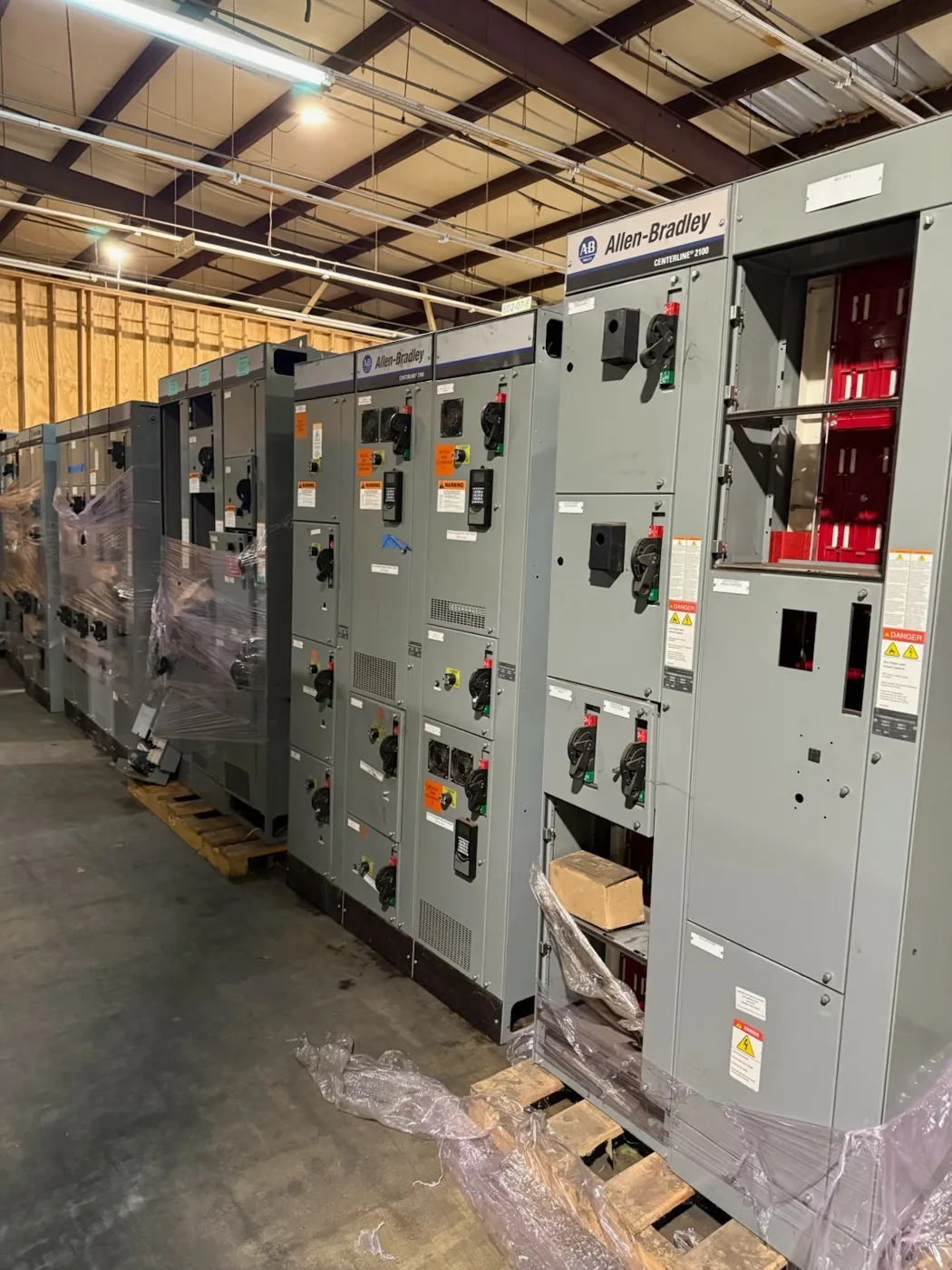
Photographs of the nameplate and exterior can help a reviewer connect the stated rating to the equipment being offered. A photo is useful only if it can be taken safely and without interfering with electrical equipment. If no clear image exists, provide the information available from records and explain the limitation rather than removing covers or attempting a closer inspection.
Describe condition in straightforward terms: installed or removed, stored or in service before shutdown, visibly damaged or apparently intact. These are observations, not test results. Testing is not required to request a quote, and the buyer does not require sellers to test equipment. Unknown internal condition can remain unknown.
Share Site Access Information
The California location helps frame the removal discussion, but the state alone does not tell a buyer how equipment can leave a building. Share the facility’s general location and any known access conditions, such as a narrow route, a loading dock, restricted vehicle access, or a need to coordinate with a site manager. Do not invent measurements or site capabilities.
Removal planning may depend on the equipment’s position, route, and the available staging area. If you have existing dimensions, floor plans, or photographs, they can be useful; they are not a reason to begin dismantling the unit. A buyer can review what you provide and coordinate the appropriate logistics after evaluating the equipment.
The buyer handles rigging and logistics, including crane, rigging, disconnects, loading, freight, and hauling, at its expense. Electrical handling and disconnects must be completed by qualified personnel following applicable safety procedures. You should not work on energized equipment or undertake electrical work to prepare a quote.
Explain Project Timing and Scope
A 1,600-amp asset may be one item among several in a plant closure, data-center decommissioning, or facility upgrade. If other switchgear is included, identify the group and distinguish the 1,600-amp unit from equipment with different ratings. Separate descriptions prevent one nameplate detail from being mistakenly applied to an entire collection.
Share relevant project context, such as whether the equipment is still installed, whether a shutdown has occurred, or whether the site has a planned access window. These details help with evaluation and logistics, but they do not establish a guaranteed removal date. Avoid treating an anticipated project schedule as a confirmed commitment unless the site has approved it.
If the equipment has been stored or has known visible damage, explain that briefly and factually. Mention missing parts only when you know they are absent. A reviewer can consider the description alongside photographs and records. Any quote depends on reviewing the equipment; providing a rating alone does not guarantee a valuation or eligibility.
Request a Review and Cash Offer
A focused quote request can state: 1,600-amp electrical equipment, the equipment type, manufacturer, voltage if known, and condition. Add the actual nameplate marking or explain why it cannot be confirmed. Include the number of units, whether components are included, and the general California site location so the buyer can understand what is being reviewed.
Send available nameplate images, exterior photographs, and inventory details if they already exist. Note which facts are confirmed and which remain uncertain. Do not arrange testing, disconnects, or freight before the review. The buyer purchases used and surplus switchgear across all voltage classes, but the specific equipment still must be reviewed before a cash offer can be made.
The buyer pays upfront and handles crane, rigging, disconnects, loading, freight, and hauling at its expense. Sellers are not required to test equipment, and the seller’s role is to share available information and get paid. Request a review with a clear description, while leaving price, eligibility, and timing subject to the equipment review and site coordination.