THE BUYER'S GUIDE / CALIFORNIA
Sell 2,500-Amp Electrical Equipment in California
Start With the Nameplate
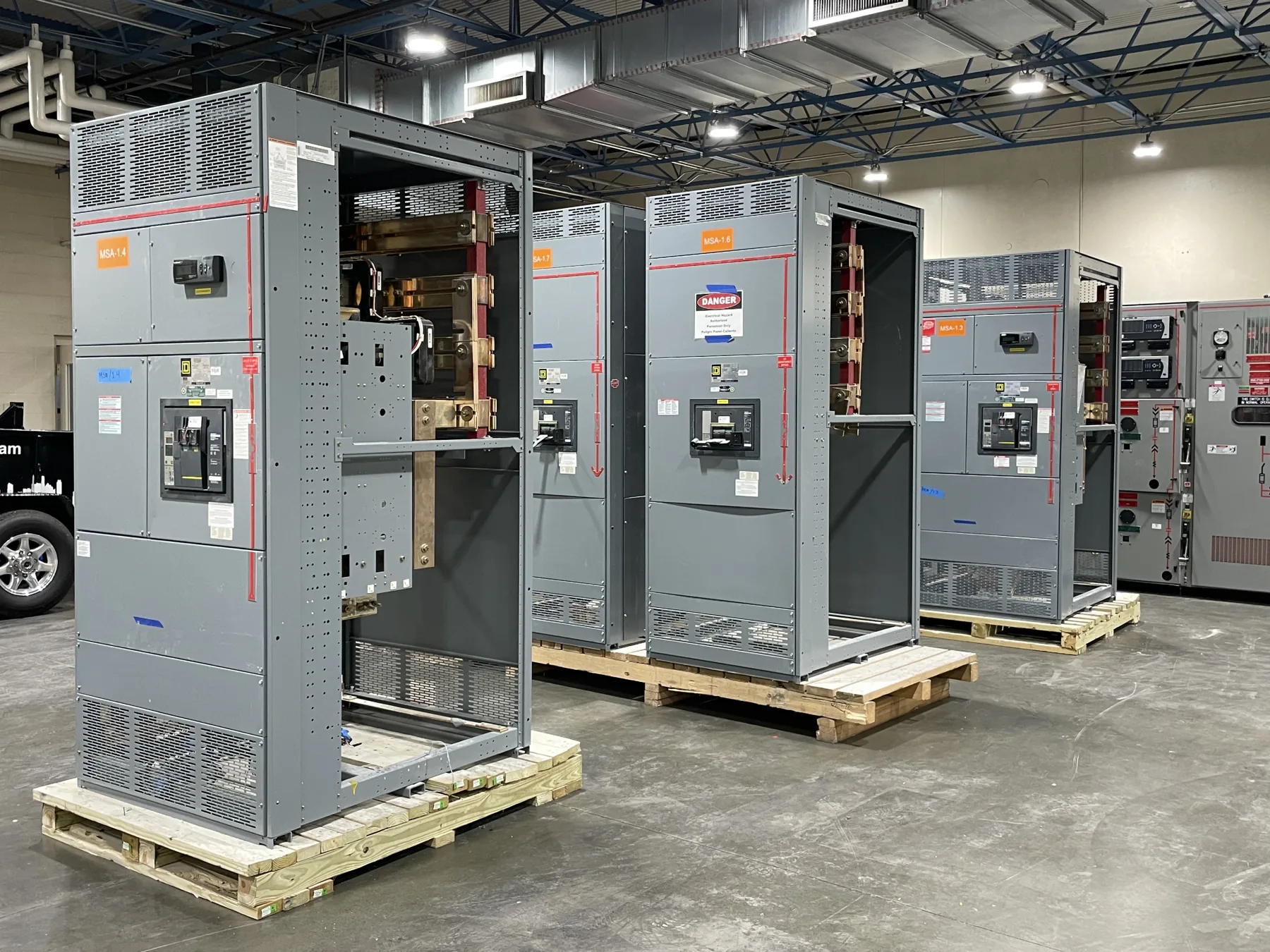
If you are deciding whether to sell 2,500 amp electrical equipment in California, begin by checking the equipment’s actual nameplate rather than relying on a drawing, an old inventory, or a remembered rating. Share the stated amperage and equipment type, such as switchgear, a switchboard, or another assembly, if those details are visible.
A 2,500-amp description narrows the discussion, but it is not enough by itself to identify what is being reviewed. The manufacturer, voltage, configuration, and condition help distinguish one assembly from another. If a label is faded or inaccessible, say so and provide only information that can be observed safely.
A buyer of used and surplus switchgear reviews the information before making an offer. No seller testing is required. A quote depends on reviewing the equipment and the details available; an amperage figure alone does not establish a guaranteed valuation or confirm eligibility.
Describe Condition Honestly
Condition can mean different things to different people, so use concrete observations. Explain whether the equipment is installed, disconnected, stored, or awaiting decommissioning, and mention visible damage, missing parts, corrosion, or incomplete sections when known. If you do not know an answer, identify it as unknown rather than guessing.
Records can make the review clearer without creating extra work. Available photographs, nameplate images, drawings, equipment schedules, and maintenance or decommissioning records may help explain what is present. These are information to share if on hand, not a request to perform inspections or electrical tests.
For equipment from a closed facility or a planned retirement, clarify whether the offered item is a complete lineup or only selected sections. Include associated breakers or other components only when you can identify them. Accurate boundaries matter because a reviewer should understand what the proposed transaction covers.
Plan Removal Around the Site
Access details matter as much as the electrical description when a large assembly must leave a facility. Explain where the equipment sits, whether it is indoors or outdoors, and what route connects it to a loading area. Note known constraints such as narrow doors, stairs, limited turning space, or restricted vehicle access.
The buyer handles rigging and logistics at its expense, including crane, rigging, disconnects, loading, freight, and hauling. You do not need to arrange a carrier or hire a separate removal crew. Share practical site information so the work can be considered as part of the review and coordinated appropriately.
Electrical handling and disconnects belong to qualified personnel following applicable safety procedures. Do not attempt energized work to prepare equipment for a sale. The buyer handles the removal work; the seller’s role is to provide information and access arrangements, then get paid if the reviewed offer is accepted.
Make the Review Useful
A concise description can help a reviewer understand a 2,500-amp assembly without requiring a seller to become an electrical specialist. State the nameplate amperage as printed, identify the equipment type and manufacturer where legible, and report the voltage only if it is shown on the equipment or reliable records.
Clarify whether the equipment remains connected, has already been disconnected by qualified personnel, or is part of a scheduled shutdown. This distinction helps frame the removal discussion; it does not mean you must disconnect anything yourself. If operational status is uncertain, simply say what you know and avoid assumptions.
For California sellers, the location tells the buyer where coordination and hauling would need to be considered, but it should not be treated as proof of a particular facility condition or regional market. A general location and the site’s access notes are useful; sensitive information need not be included in an initial equipment description.
Request a Quote With Clear Details
To request a quote, describe the 2,500-amp equipment, its manufacturer, voltage, condition, and quantity or lineup boundaries as accurately as possible. Add photographs or records if readily available, along with the California location and a brief explanation of access. These details let the buyer review the actual offering.
You may explain whether the equipment comes from a decommissioned data center, a shut-down power plant, or another site, if that is relevant and accurate. The business buys used and surplus switchgear, makes cash offers, and pays upfront. A quote follows review; no exact timing or amount should be assumed in advance.
There is no need to test the equipment before asking. Share what you can verify, identify unknowns plainly, and mention any known schedule or access limitation. If an offer is accepted, the buyer handles the rigging and logistics at its expense, leaving the seller to provide information, coordinate reasonable access, and get paid.