THE BUYER'S GUIDE / CALIFORNIA
Sell Used Metal-Enclosed Switchgear in Sacramento, CA
Identify the Enclosed Assembly
When preparing to sell used metal-enclosed switchgear in Sacramento, CA, begin with what can be seen and confirmed without opening the equipment. Metal-enclosed switchgear describes an assembly housed within metal enclosures, but configurations differ. A useful first description states whether the equipment appears to be one enclosure or a lineup of joined sections, and whether its labels remain readable.
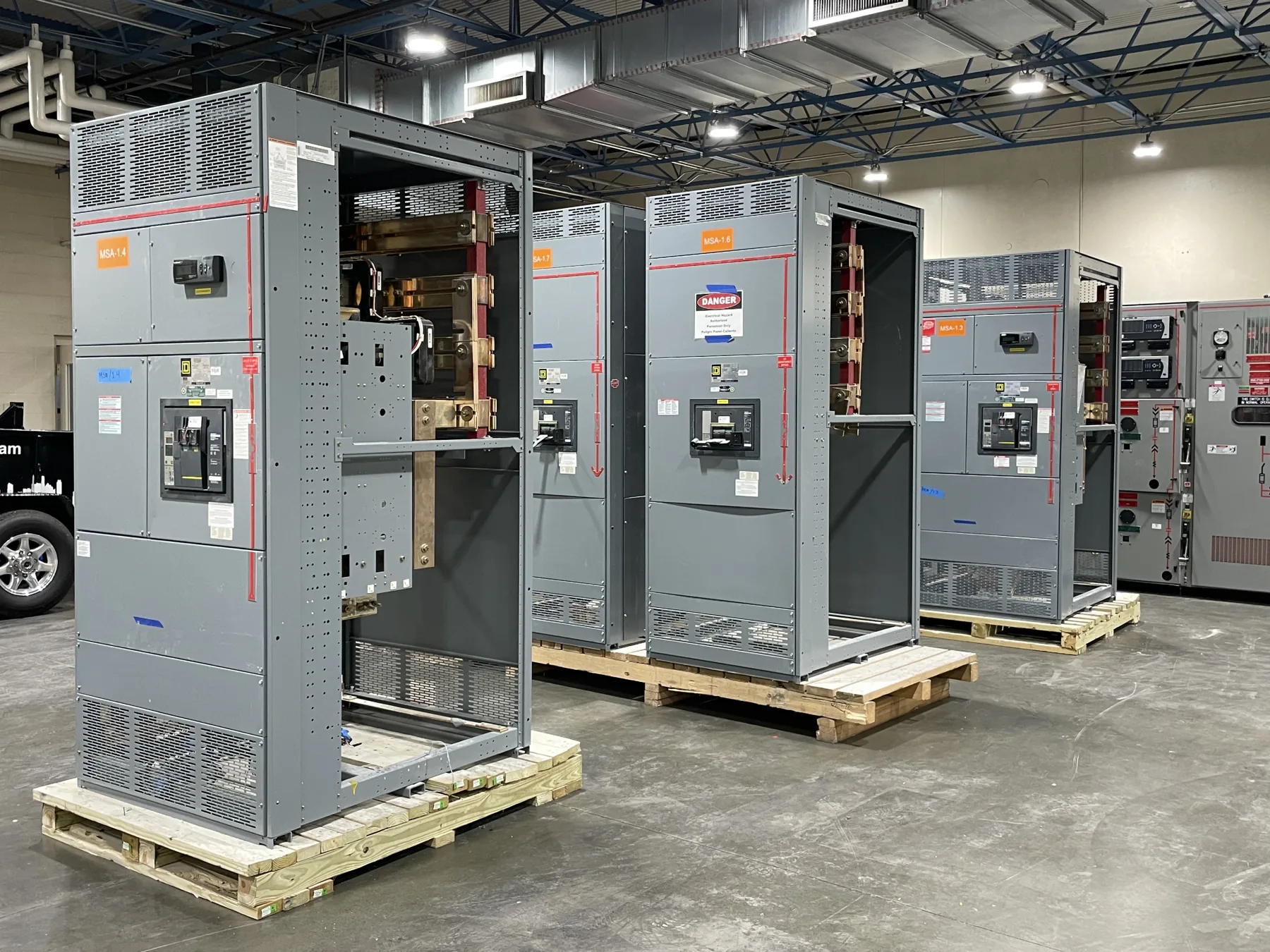
Existing exterior photographs can help show the overall arrangement, enclosure condition, visible doors, and any readily accessible nameplates. Sharing these images is optional; do not approach equipment or take photographs if doing so would be unsafe. There is no need to remove covers, inspect internal components, or create new images to request a review. A written description can start the discussion.
If visible, record the manufacturer, model designation, voltage rating, and other nameplate ratings exactly as shown rather than interpreting or filling in missing details. Note how many sections are present and whether switching or protective devices appear to be included. These details help distinguish the assembly being discussed and shape a useful review, while unknown or unreadable information can simply be identified as unknown.
Describe Components and Completeness
For metal-enclosed equipment, the distinction between the enclosure and the devices housed within or supplied alongside it matters. Describe visible switching or protective devices only to the extent you can identify them from existing records or safe exterior views. If you do not know a device type, say so; guessing can create confusion about what is included in a potential purchase.
A lineup may have several sections, while related components may have been removed, stored separately, or retained for another purpose. Explain whether the equipment is believed to be complete, whether particular sections are absent, and whether separately stored parts are available for consideration. There is no need to gather or handle heavy components simply to answer these questions. A rough inventory from existing documentation can be useful.
Include known operating history or reason for removal when available, such as a planned facility change or decommissioning. Keep the account factual and distinguish firsthand knowledge from information found in old records. Do not test the switchgear to establish its condition. A buyer can review the details provided, ask follow-up questions, and determine whether the equipment merits an offer without requiring seller testing.
Share Ratings and Existing Records
Nameplate information helps frame a review because voltage class and other stated ratings describe the equipment as identified by its manufacturer. Copy only what is legible on an exterior nameplate or in existing paperwork. If a rating is missing, obscured, or uncertain, report that limitation instead of estimating it. The business buys used and surplus switchgear across all voltage classes, so uncertainty about a rating is a reason to explain what is known, not to assume a class is excluded.
Useful records may include purchase or maintenance documents, old equipment schedules, decommissioning notes, and drawings that are already available. These can help clarify the number of sections, device descriptions, or whether accessories belong with the lineup. Do not create records or conduct electrical checks for a quote. Share copies or summaries only when convenient and appropriate.
A request for review can also explain whether the equipment was removed from service and whether it has been stored indoors or outdoors, if that information is known. Such context helps describe the item without making claims about its present condition. If storage or service history is unclear, state that plainly. The review depends on the information available and does not guarantee a purchase or valuation.
Plan Site Access Without Taking on Work
Sacramento-area pickup planning begins with a practical description of where the equipment is located and how a qualified crew could reach it. Mention access windows, restricted hours if applicable, loading-area constraints, and whether the route involves floor changes, stairs, elevators, or other transitions. These details matter because a metal-enclosed lineup can be bulky, and the route affects how removal and loading must be planned.
Describe the setting in general terms, such as an industrial building, utility room, or outdoor pad, only when that accurately reflects the actual location. Note known door dimensions or turning limitations if readily available, but do not measure in a way that creates risk or disrupts operations. Existing site plans can help, though they are not necessary to start a discussion.
The buyer handles and pays for rigging and logistics, including crane work, rigging, electrical disconnects, loading, freight, and hauling. The seller does not need to arrange those services. Electrical disconnects and all electrical handling belong to qualified personnel following applicable safety procedures. Never approach or open energized equipment, and do not attempt to disconnect or move switchgear yourself.
Request a Review and Possible Offer
To request a review, describe the metal-enclosed switchgear, its Sacramento location, the number of sections, visible nameplate ratings, and any switching or protective devices believed to be included. Add details about separately stored parts, known decommissioning status, and access windows or floor changes. Existing exterior photographs and records can be shared if already available and safe to provide; no photograph is required.
Make clear which details are confirmed, which come from older documentation, and which remain unknown. This helps the buyer assess what additional information may be useful without asking you to test the equipment or expose internal components. A quote depends on reviewing the equipment and information provided. Sending a request or receiving an offer does not itself trigger payment, and no price or purchase is guaranteed.
If the purchase is agreed, payment is upfront. The buyer takes responsibility for the crane, rigging, qualified electrical disconnects, loading, freight, and hauling at its expense, leaving the seller with no removal work to arrange. A concise, accurate request is the most useful next step: share what is safely known, explain the access situation, and ask for an equipment review and possible offer.