THE BUYER'S GUIDE / CALIFORNIA
Sell Used Low-Voltage Switchgear in Sacramento, CA
Describe the Low-Voltage Lineup
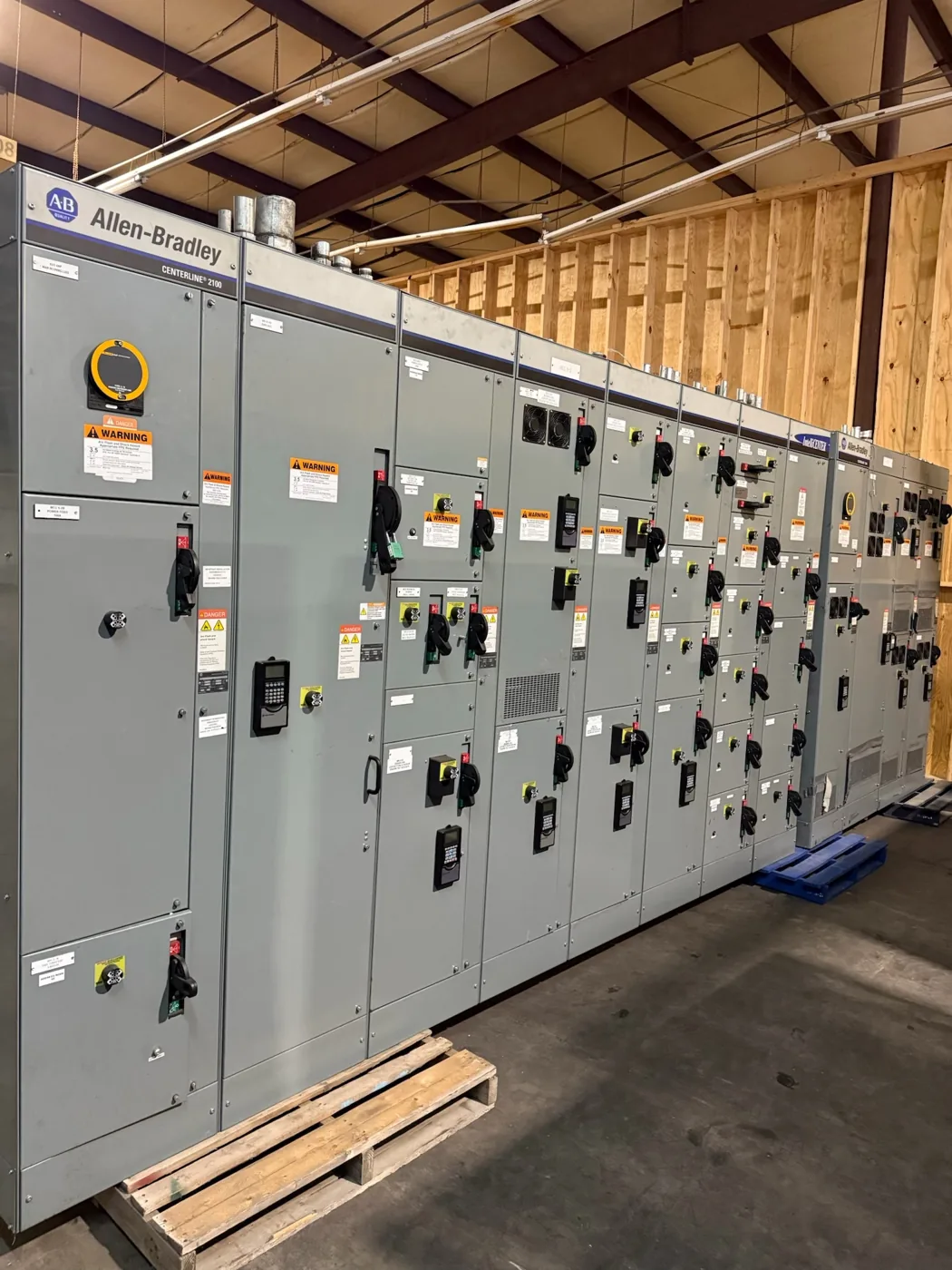
When planning to sell used low-voltage switchgear in Sacramento, CA, start by describing the lineup as it exists rather than trying to turn it into a formal engineering record. Share how many sections appear to be included, whether the equipment is installed or stored, and any visible labels that help identify the lineup. These basic details give a buyer a first view of the equipment under review.
If available, provide readable nameplate information for voltage and current ratings, along with the main rating and breaker configuration. A lineup may contain several breaker sizes or arrangements, so describing what is actually present is more useful than a broad label alone. Do not guess at obscured ratings; say when a detail cannot be read or is not known.
Existing photographs can help show the lineup’s exterior and nameplates, but they are optional. Only use views that can be obtained safely from outside the equipment. Do not open doors, remove covers, approach energized gear, or take a photo if doing so would create a hazard. A seller does not need to test the equipment before requesting a review.
Details That Shape a Review
The configuration and completeness of low-voltage switchgear affect how an offer can be considered. Explain which breakers, sections, or associated components are included, and distinguish items that are part of the lineup from parts stored separately. If the equipment has been taken out of service, share that status if known; if it remains installed, say so without attempting any electrical work.
Condition information can be limited to what you already know from ordinary records or safe exterior observation. Existing service documents, maintenance notes, or a record of a facility change can help describe the equipment’s history, but producing records is not a prerequisite. Avoid claims about performance based on appearance alone, and do not operate breakers or conduct electrical tests to answer questions.
The nameplate, breaker arrangement, and section count also help distinguish one lineup from another when reviewing a possible purchase. If details conflict between labels and paperwork, point out the discrepancy rather than choosing one version. A clear account of what is confirmed and what remains uncertain allows the review to proceed without requiring you to inspect internal components.
Plan Access Without Taking on Work
For equipment in Sacramento, useful access information begins with the route from its current position to a loading point. If known, describe door clearances, turns, floor changes, stairs, elevators, overhead limitations, or other constraints. These details help plan the handling approach; they do not mean the seller must arrange a crane, rigging, loading, or freight.
Also mention whether the gear is indoors or outdoors, whether it is in a storage area, and whether there are building access windows or scheduling limits. If the lineup is installed, qualified personnel must handle electrical disconnects under applicable safety procedures. Never approach or work on energized equipment. The buyer handles and pays for disconnects and the associated rigging and logistics.
You do not need to dismantle the lineup, move it to a loading area, or prepare it for shipment. Share access facts that are already known and identify any restrictions that require coordination. The buyer handles crane service, rigging, disconnects, loading, freight, and hauling at its expense if a purchase is agreed. That arrangement keeps the seller’s role focused on information and access coordination.
Request an Offer With Useful Information
A straightforward quote request can state that the equipment is used low-voltage switchgear located in Sacramento, California, then summarize the section count, installed or stored status, and known ratings. Include the breaker configuration and clarify what is included. Add safe exterior or nameplate photographs if available, but do not delay the request because a photo or particular record is missing.
Mention whether the lineup is being removed as part of a decommissioning, replacement, or other facility change, if that context is known. Include access constraints such as door clearance and the route to loading, plus any schedule restrictions. These facts help a buyer assess the equipment and its handling needs; they do not establish a price or guarantee that a purchase will be agreed.
The buyer reviews the information before making an offer, so no price should be assumed from a short description. Sellers are not required to test the equipment. If a purchase is agreed, payment is upfront; making an offer alone does not trigger payment. The seller does not need to provide electrical labor or arrange transportation.
What Happens After a Review
After receiving the description and any available records, the buyer can review the lineup’s ratings, configuration, included components, and logistics. If an important detail is unclear, the seller can answer from existing labels or records where possible, or simply say that the information is unavailable. There is no need to open electrical equipment or seek measurements from an unsafe position.
When an offer is made, the seller can decide whether its terms suit the equipment and circumstances. A quote depends on reviewing the specific lineup, so neither an exact valuation nor a purchase is assured in advance. If the parties agree to a purchase, payment is made upfront. The offer itself does not mean payment has been made or that a transaction is complete.
The buyer buys used and surplus switchgear across all voltage classes, including equipment from decommissioned data centers and shut-down power plants. For an agreed purchase, it handles and pays for crane, rigging, electrical disconnects, loading, freight, and hauling. Qualified personnel perform electrical work according to applicable safety procedures. The seller’s practical next step is to describe what is known and request a review.