THE BUYER'S GUIDE / CALIFORNIA
Sell Used Metal-Enclosed Switchgear in Bakersfield, CA
Start With the Removal Plan
Planning a change to an electrical installation often means coordinating the equipment’s status with access and removal arrangements. If you want to sell used metal-enclosed switchgear in Bakersfield, CA, you can begin by describing where it is and whether it is installed, scheduled for decommissioning, or already in storage. There is no need to test it before asking for a review.
Metal-enclosed equipment may include switching or protective devices inside an enclosure, with the arrangement and included components varying by assembly. A useful first description gives the number of sections and identifies which devices are included, if known. A clear account of what is being offered helps prevent confusion between the enclosure and any separately stored parts.
A shutdown or changeover may have its own timing and access limits, but you do not need to finalize every detail before requesting an offer. Share known scheduling restrictions and explain which arrangements are tentative. The buyer can review the information provided and discuss logistics if a purchase is agreed.
Record What Can Be Identified
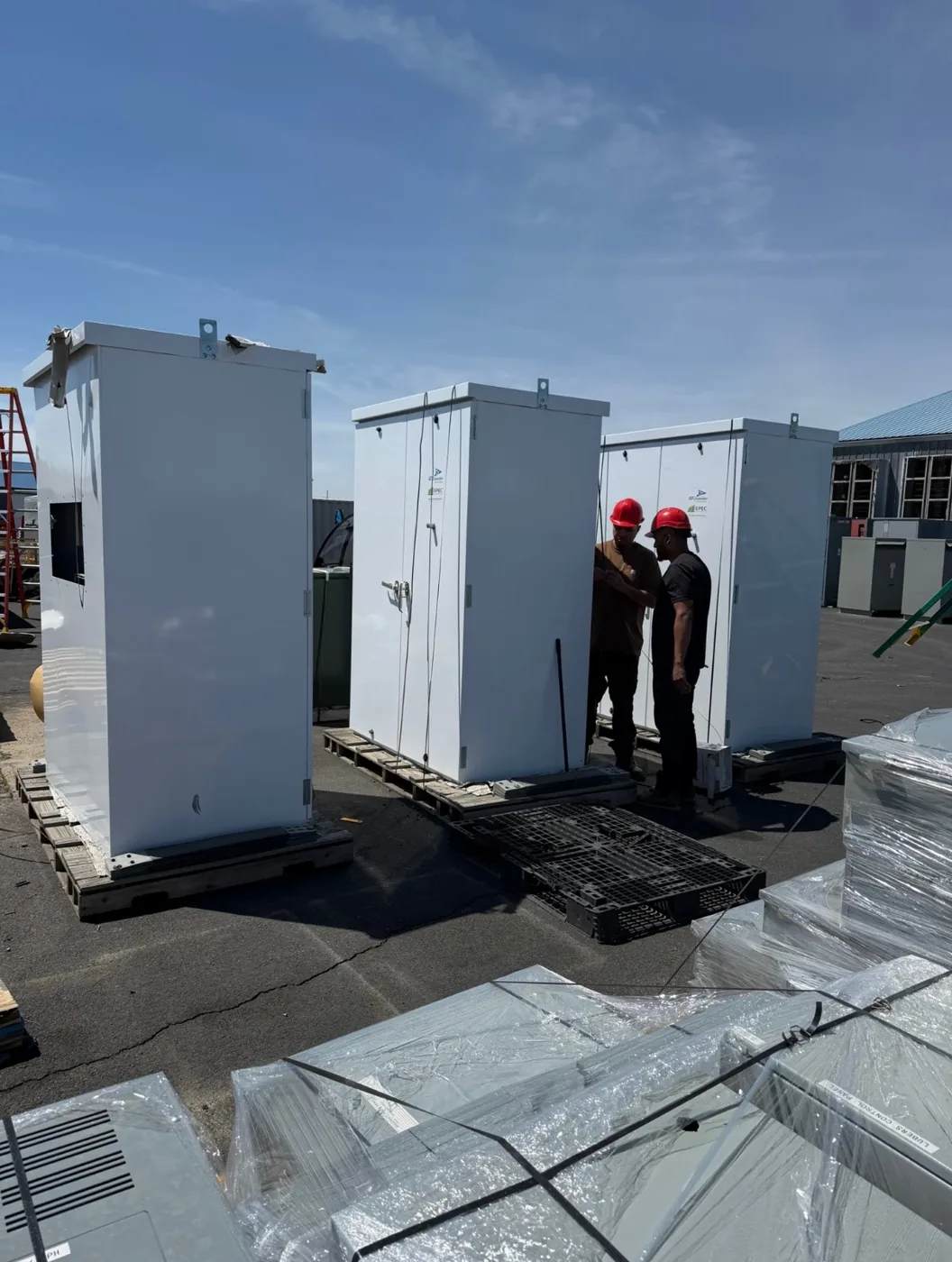
Existing exterior photographs can help show the overall enclosure, visible condition, and arrangement of sections. They are optional, not a requirement. A safely visible nameplate may show a manufacturer, model, or ratings useful for review, but do not invent or infer details that cannot be read. No photograph is needed if taking one would put you near a hazard.
Describe the switching or protective devices included only to the extent you can establish from existing records or safe exterior observation. If a device is missing, stored separately, or not identifiable, say so. The number of sections and any known relationship between them help a reviewer understand whether the offered equipment is a complete assembly or a partial group.
Visible condition can be reported in practical terms: whether the exterior appears intact, whether labels are readable, and whether any panels or doors are visibly damaged or absent. Avoid opening the enclosure to inspect its interior. The buyer can consider the description and available records without asking you to perform electrical testing or expose internal components.
Explain Decommissioning Context
The reason equipment is being removed can help place its status in context. You might describe a facility change, replacement, shutdown, or transfer to storage, without assuming that the equipment has been disconnected or declared ready for handling. If the status is uncertain, say that directly and leave electrical work to qualified personnel.
Metal-enclosed switchgear can be presented as one assembly or as sections with devices and accessories listed separately. An inventory, drawing, or maintenance record already on hand may explain the configuration and what remains with the equipment. Share the document as available information, not as proof that every component is present or in working condition.
If known, note whether the equipment has remained in place or has been moved into storage, and whether its original identification is still readable. That background helps distinguish current location from installation history. Do not create a new inspection report or attempt to verify operation; the buyer’s quote depends on reviewing the equipment and information available.
Share Access and Lifting Constraints
For removal planning, describe the known route from the equipment to the loading point. Relevant details may include door clearances, turns, changes in floor level, restricted access periods, or a known lifting constraint. If a measurement is unavailable, state that it is unknown. Do not move the equipment or enter an unsafe area to obtain measurements.
The buyer handles and pays for crane, rigging, electrical disconnects, loading, freight, and hauling. Qualified personnel perform electrical handling and disconnects in accordance with applicable safety procedures. You are not expected to arrange those services, disconnect wiring, or work on energized equipment. Existing site rules and access procedures can be shared for coordination.
If the equipment is outdoors, indoors, or in storage, that basic location detail can help frame the logistics. Describe any known limitations on vehicle access or loading arrangements without promising a route that has not been checked. Once a purchase is agreed, the buyer coordinates and pays for the required removal and transportation work.
Make a Practical Quote Request
A focused request can include the Bakersfield location, number of sections, included switching or protective devices, readable nameplate details, exterior condition, and known lifting constraints. Add existing records or safe exterior photographs only if they are already available. State whether the equipment is installed, being decommissioned, or stored, and identify uncertain details clearly.
The buyer purchases used and surplus switchgear, including equipment from decommissioned data centers and shut-down power plants, and considers all voltage classes. A cash offer is based on review of the specific equipment; requesting one does not guarantee a price or mean a purchase has been agreed. Seller testing is not required.
If the buyer and seller agree on a purchase, payment is upfront. The buyer handles and pays for electrical disconnects, crane and rigging, loading, freight, and hauling. You can begin with the information on hand and respond to reasonable follow-up questions, without opening the equipment or taking unsafe photographs.