THE BUYER'S GUIDE / CALIFORNIA
Sell Used Medium-Voltage Switchgear in Sacramento, CA
Start With Facility and Lineup Details
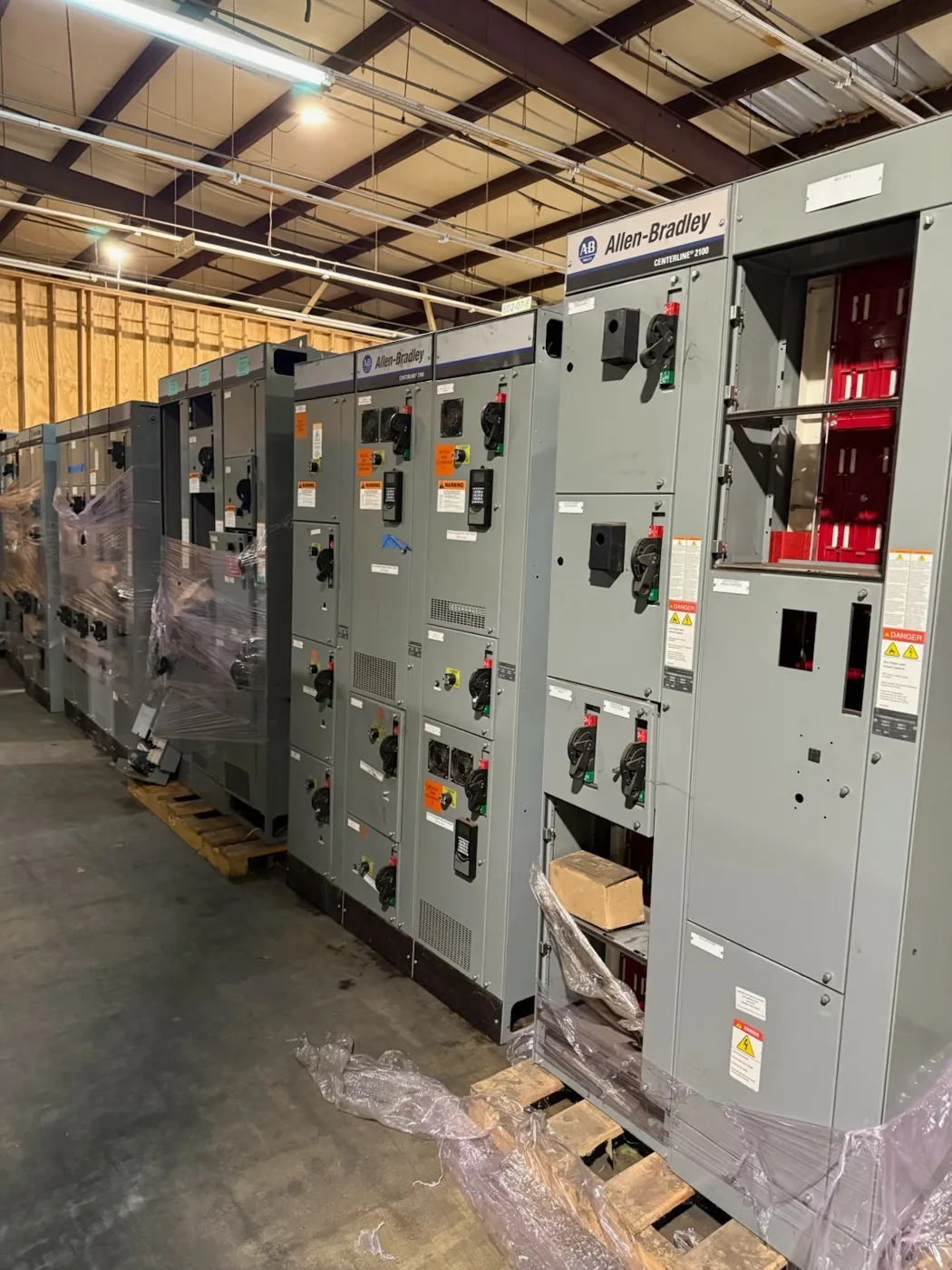
A facility change can leave medium-voltage switchgear in place while a seller works out a safe schedule for its removal. If you plan to sell used medium-voltage switchgear in Sacramento, CA, begin by identifying whether it remains installed, is outdoors, is indoors, or has already been placed in storage. This context helps a buyer understand what is being reviewed without asking you to handle the equipment.
Share the number of sections and any readable nameplate information, especially voltage, current, and interrupting ratings. Do not infer a rating from a model name or from another section in the lineup. If a plate is difficult to read, say so. A safely obtained exterior or nameplate photo may help, but no photograph is required.
Describe the breaker type if it is known and visible in existing documentation, and note whether records are available. Service records, equipment schedules, or removal paperwork may help establish configuration and history. You do not have to create new records, conduct tests, open the switchgear, or approach energized equipment to request an offer.
Why Medium-Voltage Identification Matters
Medium-voltage equipment can vary substantially in its ratings and arrangement, so a general description may not be enough for a useful review. Readable voltage, current, and interrupting ratings help distinguish the equipment being offered. Where a nameplate is missing, obscured, or unreadable, report that plainly rather than filling in a likely value. Accurate uncertainty is more useful than an unsupported estimate.
Breaker type and section count can also clarify what the lineup includes. If the equipment has removable breakers, mention only what you already know about their presence and inclusion; do not remove or operate them to verify anything. Explain whether accessories or separately stored items are included, and identify any gaps between the physical lineup and available records.
Existing documents can provide context about prior service or a planned facility change, but they are not a condition of requesting a quote. Avoid representing that a unit works or meets a particular specification unless that fact is supported by information already available. The seller is not required to test medium-voltage switchgear; qualified personnel must perform electrical work under applicable safety procedures.
Coordinate Access and Safe Removal
Access information is important because medium-voltage sections can require careful handling and a planned route out of a building or storage area. If known, describe door dimensions, turns, floor changes, loading restrictions, and any access windows. Also say whether the equipment is indoors, outdoors, or already stored. These details support logistics planning, but the seller is not expected to arrange the removal.
If the lineup is still connected or installed, do not attempt to disconnect it or work near energized equipment. Electrical handling and disconnects belong to qualified personnel following applicable safety procedures. If a purchase is agreed, the buyer handles and pays for electrical disconnects, crane service, rigging, loading, freight, and hauling.
A seller can identify building rules, scheduling limits, and people who coordinate access without taking responsibility for lifting or transport. If the removal schedule is tied to a facility change, share the known date range or restriction without promising availability. The buyer needs a chance to review both the equipment and its access circumstances before making an offer.
Make a Clear Quote Request
For a quote request, identify the equipment as used medium-voltage switchgear in Sacramento, California. Provide section count, known breaker type, and readable nameplate voltage, current, and interrupting ratings. State plainly which details are unavailable. If records or safe exterior photographs already exist, they may be shared to help explain the lineup, but neither is required to begin a review.
Add whether the switchgear remains installed, is indoors or outdoors, or has been moved into storage. Summarize access windows, route limitations, and loading restrictions that are already known. If the equipment is part of a decommissioning or replacement, that context can help explain timing. The buyer reviews the specific equipment and circumstances; a request does not establish a price or guarantee eligibility.
There is no need to test the switchgear or open it for a photograph. Do not approach energized equipment to obtain information. A concise account that separates confirmed ratings from unknown details gives the reviewer a responsible basis to consider the request while preserving safe boundaries.
Understand the Offer and Responsibilities
Once the buyer has reviewed the information, it may ask for clarification about the configuration, included items, records, or access. Answer from existing documentation or safe observations; if a fact is not known, say so. The review is specific to the equipment, and an offer is not a promise that a purchase will occur or that a particular amount will be paid.
If a purchase is agreed, payment is upfront. An offer by itself does not trigger payment. The seller does not need to test the switchgear, provide electrical labor, arrange a crane, hire riggers, or organize freight. The buyer handles and pays for crane, rigging, electrical disconnects, loading, freight, and hauling associated with an agreed purchase.
The business buys used and surplus switchgear across all voltage classes, including equipment from decommissioned data centers and shut-down power plants. That scope does not replace a review of the particular medium-voltage lineup. To move forward, share the ratings and configuration you can verify, explain the location and access conditions, and request an offer for review.