THE BUYER'S GUIDE / CALIFORNIA
Sell Used Metal-Enclosed Switchgear in Ontario, CA
Describe the Equipment Without Guessing at Its Value
A useful description of metal-enclosed switchgear begins with what can be identified, not a guess about price or condition. If you plan to sell used metal-enclosed switchgear in Ontario, CA, record the equipment’s general configuration and visible identifying information. A quote depends on reviewing those details, and no single feature establishes value on its own.
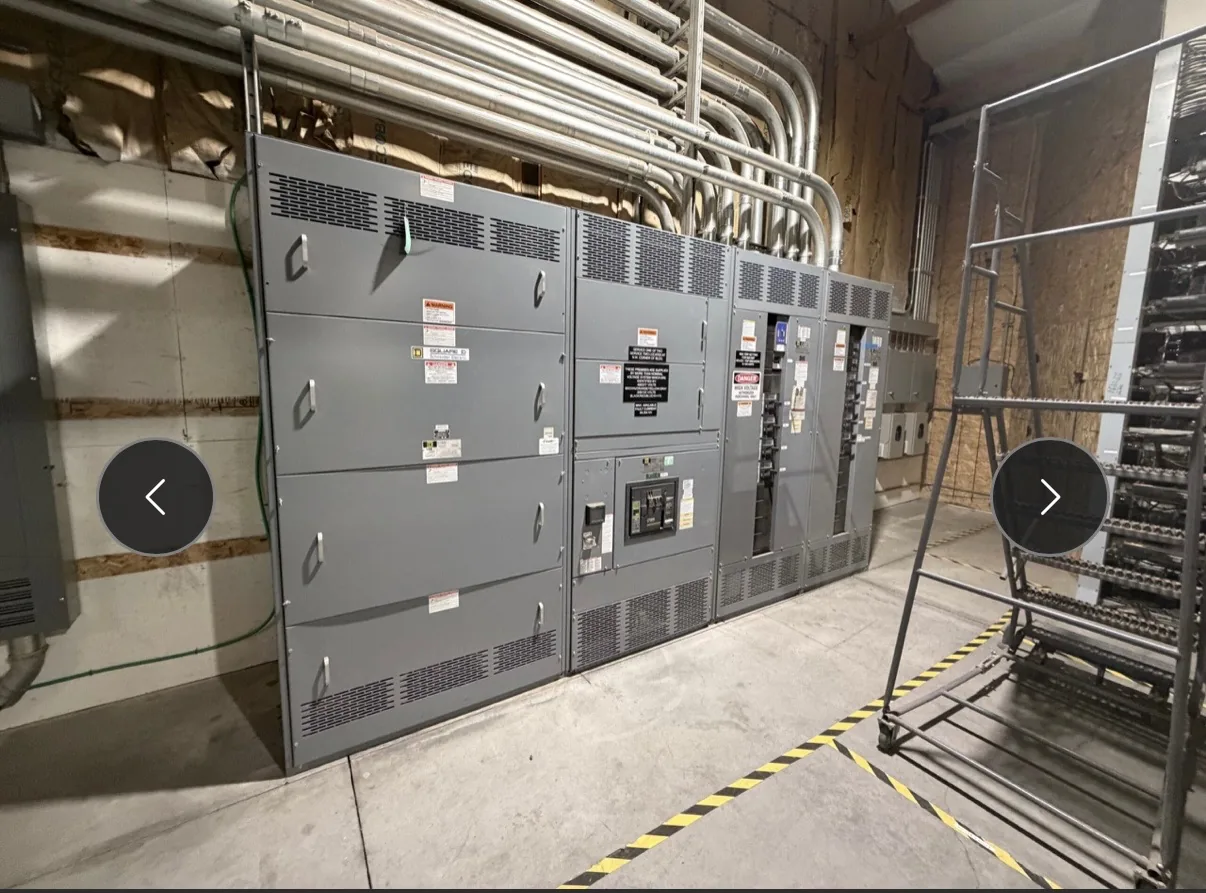
Metal-enclosed equipment may contain several sections arranged as a lineup, with switching or protective devices included. Describe what is visibly present and how many sections appear to belong together. If components are stored separately, note that distinction rather than assuming they are part of the installed lineup. These details help reviewers understand the offer’s scope.
If available, share the manufacturer and model information shown on an exterior nameplate, along with voltage and other legible ratings. Do not fill gaps by estimating or inventing specifications. Existing photographs of the enclosure or safely visible nameplates can be useful, but taking a photograph is optional. Do not approach energized equipment or open an enclosure to obtain information.
Identify Sections and Included Devices
The number of sections matters because a lineup’s arrangement can affect how a buyer understands what is being offered. Count sections from a safe, accessible exterior view when possible, and mention if the count is uncertain. If equipment has already been dismantled, explain which sections remain together and which are separate, without attempting electrical work.
Describe switching and protective devices that are visibly included, such as breakers or other components identifiable from existing records. Avoid assuming that a device is present because it was once part of the installation. A basic account of what remains, what was removed, and what is stored separately helps prevent misunderstandings about the equipment included in a potential purchase.
Condition notes can be factual without becoming a technical inspection. For example, explain whether the equipment is installed, removed, or awaiting decommissioning, and mention visible exterior damage if known. Sellers do not have to test equipment. Any inspection or safety information can be shared from records already available; electrical assessment and handling belong to qualified personnel following applicable procedures.
Share Context From Decommissioning
If the metal-enclosed switchgear is being removed during a facility change or decommissioning, explain the stage of that process. It helps to distinguish equipment still in place from equipment already disconnected and staged for removal. The buyer handles and pays for electrical disconnects, so the seller does not need to arrange that work as a condition of requesting a quote.
Existing documentation may clarify the configuration when equipment labels are hard to read or sections are no longer together. You can share available equipment schedules, nameplate records, or prior descriptions, but do not delay an inquiry to create new documentation. A request for information is not a request to test, energize, dismantle, or open the switchgear.
Mention separately stored parts and accessories in ordinary terms, including where they are kept and whether their relationship to the lineup is known. This gives reviewers a clearer picture of what could be included. If some pieces are unidentified, say so. There is no need to handle electrical components or enter a restricted area to improve the description.
Plan Access Around the Site Safely
Access information helps determine how removal and transportation might be handled. Describe the route to the equipment, any known floor changes, narrow passages, loading-area limits, or access windows. If these details are uncertain, say that they need confirmation. Do not move equipment or alter a building route to prepare for a quote.
The buyer handles and pays for crane service, rigging, loading, freight, hauling, and electrical disconnects if a purchase is agreed. Sellers are not expected to hire a crane, arrange riggers, or load the equipment. Sharing known constraints lets the logistics review account for the actual setting without shifting those responsibilities to the seller.
Safety takes precedence over gathering information. Do not approach or open energized equipment, and do not attempt disconnects, lifting, or other electrical work. Qualified personnel must perform electrical handling in accordance with applicable safety procedures; the buyer handles the disconnect work. Existing exterior views are optional, and no photograph is needed when obtaining one would be unsafe.
Request a Review and Quote
To request a review, provide a concise description of the metal-enclosed switchgear, its approximate section count, visible ratings, included devices, and any separately stored parts. Add the Ontario, California location and explain whether the equipment is installed, removed, or in a decommissioning process. Share access windows and site constraints that are already known.
A reviewer may ask follow-up questions about unclear labels, the lineup’s composition, or removal access. Answer from existing records and safe observations; testing is not required. A quote depends on reviewing the equipment, so sharing useful information starts that process but does not guarantee a valuation, eligibility, or a particular price.
If a purchase is agreed, payment is upfront, and the buyer handles and pays for the associated disconnects, rigging, crane, loading, freight, and hauling. An offer alone does not trigger payment. The seller’s role is to describe what is available and provide relevant information; the seller does not need to perform testing or arrange removal work.