THE BUYER'S GUIDE / CALIFORNIA
Sell Used Medium-Voltage Switchgear in Ontario, CA
Start With the Ratings You Can Read
A common challenge when offering medium-voltage switchgear is separating a confirmed nameplate rating from an estimate. To sell used medium-voltage switchgear in Ontario, CA, begin with readable exterior nameplates, if safely visible, and record the stated voltage, current, and interrupting ratings. Do not infer missing values from another section or from a facility drawing that may describe different equipment.
Describe the breaker type and the number of sections in the lineup. If the breaker type is uncertain, say that it has not been confirmed rather than applying a familiar label. These details help distinguish the equipment configuration and give a reviewer a clearer basis for considering the assembly. A photograph of a safely visible lineup or nameplate is optional, not a prerequisite.
State whether the switchgear is indoors, outdoors, or already in storage. Also explain whether it remains installed, awaits disconnection, or is ready for removal, if known. This practical context matters because the physical setting affects logistics, while the documented ratings and configuration identify the equipment itself. No seller testing is required to start a review.
Explain What Records Are Available
Existing records can supplement a medium-voltage equipment description without requiring you to perform tests. Relevant materials may include equipment schedules, available service records, prior inventory documents, or decommissioning information. Share only what you have and can disclose; if records are incomplete, identify that plainly. Their purpose is to clarify equipment identity and history, not to substitute an unsupported claim about present performance.
If the nameplate is difficult to read, state which information is unavailable. Do not estimate voltage, current, or interrupting ratings based on the location or apparent size of the gear. A reviewer can consider the uncertainty alongside the rest of the information. Do not open compartments or expose interior connections to improve a description, and do not approach energized equipment for photography.
A seller can also explain why the equipment is being released, such as a facility change or decommissioning, without making claims about the equipment's condition. If the lineup is part of a larger removal, identify which sections or breakers are included. A careful distinction between confirmed details and unknowns makes the request more useful and reduces confusion during review.
Describe Configuration and Condition
Medium-voltage switchgear should be described as a particular lineup rather than a generic set of cabinets. Note the section count, visible labels, breaker type, and any components that are included or stored separately, to the extent that this information is available safely. If sections have been separated or labels are missing, mention that; do not assume all sections share identical ratings or contents.
Condition information should reflect what you actually know. You may describe visible exterior wear, missing parts, or storage circumstances, but avoid conclusions about internal operation unless supported by existing documentation. Testing is not a condition of making an inquiry. Inspection or safety information can be requested for review, but the seller is not expected to energize, operate, or test equipment.
The equipment's setting also helps explain handling needs. Say whether it is indoors, outdoors, or in storage, and mention any known constraints on access or release. If it remains connected, qualified personnel must perform electrical disconnects under applicable safety procedures. The buyer handles and pays for that work if a purchase is agreed; the seller should not undertake electrical handling.
Clarify Removal and Site Access
For installed medium-voltage gear, identify what is known about the path from its present position to a loading area. Door openings, turns, floor changes, access windows, and restrictions may affect how removal is planned. A seller can share existing knowledge without measuring unsafe areas or arranging equipment. If the lineup is already stored, explain its location in general terms and whether it can be accessed for review.
Give any known release schedule or coordination limits, especially when equipment remains part of an active facility or a staged decommissioning. Do not disconnect or move the switchgear to prepare a quote. Electrical work belongs to qualified personnel following applicable procedures, and the buyer handles and pays for disconnects, crane, rigging, loading, freight, and hauling.
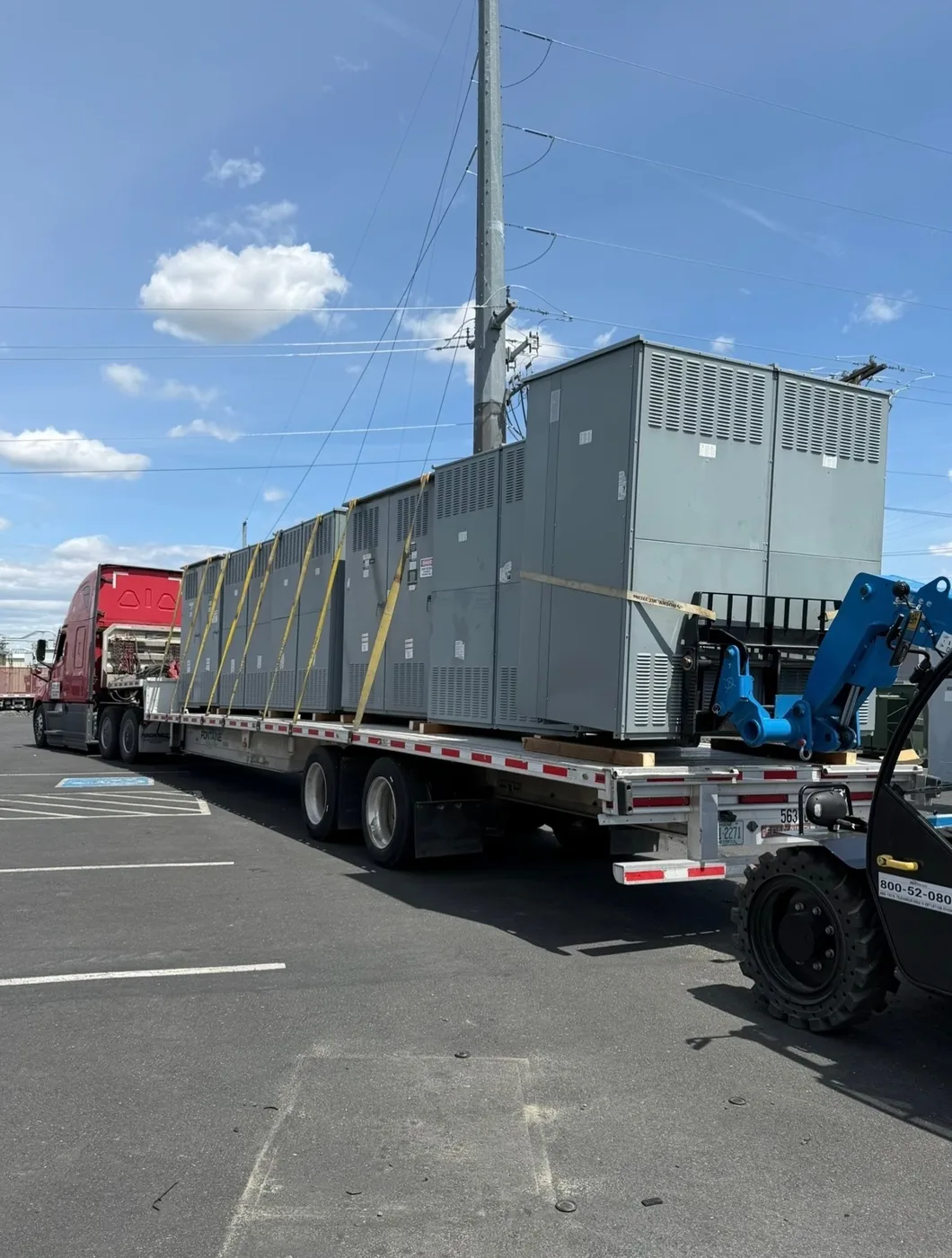
A clear logistics description matters because an equipment review considers more than the nameplate. It does not mean a seller must hire a rigger, arrange a truck, or take responsibility for removal. If a purchase is agreed, the buyer manages those logistics at its expense. Payment is upfront after agreement; submitting information or receiving an offer alone does not trigger payment.
Request a Review Without Testing
A practical quote request can identify the equipment as used medium-voltage switchgear in Ontario, California, then provide readable nameplate ratings, breaker type, section count, and the equipment's indoor, outdoor, or storage status. Attach existing records if available, and distinguish known facts from details that are uncertain. This gives the review a useful starting point without pretending to establish an exact value.
Optional photos should show only safely visible exterior surfaces or nameplates. Do not open enclosures, approach energized equipment, or create new images when access is unsafe. No testing is required. If a reviewer needs additional information, respond with what records or observations are safely available rather than performing electrical work.
Add the known release schedule, access conditions, and any handling restrictions. The buyer purchases used and surplus switchgear across voltage classes and makes cash offers, but an offer depends on reviewing the equipment and is not a guarantee of a purchase or valuation. If a purchase is agreed, payment is upfront, and the buyer handles and pays for removal logistics.