THE BUYER'S GUIDE / CALIFORNIA
Sell Used Low-Voltage Switchgear in Ontario, CA
Describe the Low-Voltage Lineup Clearly
A useful description of used low-voltage switchgear begins with what can be identified, not an assumption about what it might be worth. If you want to sell used low-voltage switchgear in Ontario, CA, share the equipment type, its general condition, and whether it remains installed or has already been placed in storage. These basic facts help frame a review without requiring electrical testing.
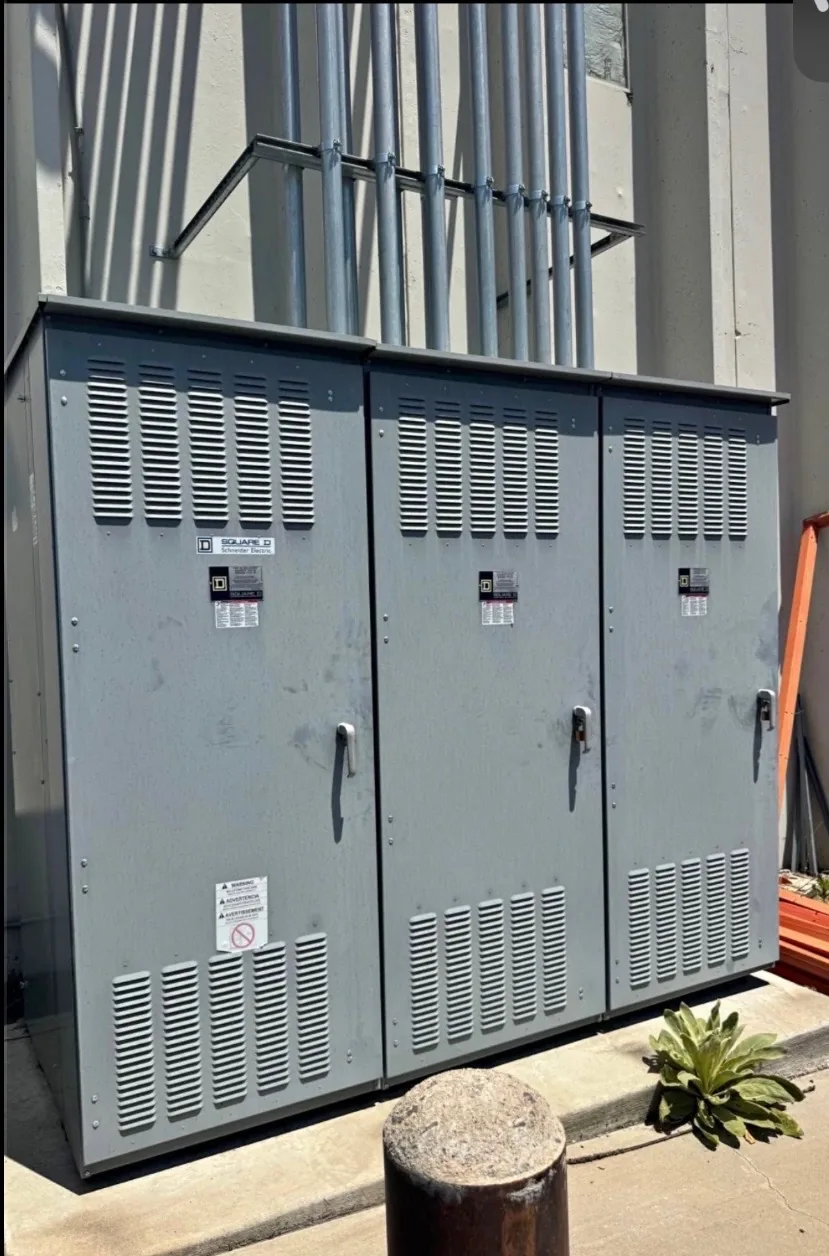
If safely accessible, provide photographs showing the lineup as a whole and readable exterior nameplates. A nameplate view can help distinguish recorded ratings from estimates, while a lineup photo gives context about its arrangement. Do not open a cabinet or approach energized equipment to obtain images. Existing photographs or safely visible views are optional; no photo is necessary when getting one would be unsafe.
For low-voltage equipment, useful details may include the stated voltage and current ratings, the main device, and the breaker configuration. Note the number of sections and identify included components only when you can do so from existing records or safe exterior information. If a rating or component is unclear, say so rather than guessing; a review can account for what is actually documented.
Account for Decommissioning Circumstances
Low-voltage switchgear may become available when a facility changes its electrical arrangement, removes equipment during an upgrade, or closes and decommissions operations. The reason for removal helps explain whether the lineup is still connected, awaiting qualified disconnection, or already stored. It does not establish a value by itself, so describe the circumstances factually and avoid presenting an unverified condition as a guarantee.
A seller may be coordinating equipment removal alongside other work, with a release date or access window that affects when the lineup can be handled. Share any known schedule, site rules, or restrictions on moving equipment. If timing has not been set, make that clear. A quote depends on reviewing the equipment and circumstances; an inquiry or offer does not itself establish a purchase or payment.
You do not need to test the switchgear before asking for consideration. Existing maintenance records, equipment lists, or decommissioning documents can help clarify its identity, but missing paperwork should simply be disclosed. Electrical disconnects and handling are for qualified personnel following applicable safety procedures. The buyer handles and pays for disconnects and related removal logistics if a purchase is agreed.
Explain Ratings and Breaker Configuration
Low-voltage lineups can differ in their rated characteristics and arrangements, so a specific description is more useful than a broad label. Share the main current and voltage ratings as shown on accessible nameplates, along with the number of sections and the visible breaker layout. If labels are unreadable, note that limitation rather than supplying a value from memory or assuming adjacent equipment has matching ratings.
Breaker configuration matters because a lineup may include different device types, sizes, or arrangements, and not every component necessarily remains with the original assembly. Describe what appears to be included and distinguish installed devices from separately stored items when known. Existing inventory sheets or records can help, but there is no need to remove covers, inspect interior connections, or conduct electrical tests to prepare a request.
Condition descriptions should stay practical and qualified. You can mention visible exterior damage, missing doors, incomplete sections, or known storage conditions if this information is available without unsafe access. Do not claim an internal condition that has not been verified. A review uses the description and available information together; it does not require sellers to certify equipment performance.
Plan Access Without Taking on Removal
For equipment that remains installed, the route from its present location to a loading point can affect the practical removal plan. If known, describe door clearances, turns, floor changes, overhead constraints, and whether equipment is on a level accessible to loading. These details help identify logistical considerations early, but you do not need to measure or approach restricted areas to provide them.
Mention whether the lineup is indoors, outdoors, or in storage, and whether access is controlled by a scheduled window. If there are known loading restrictions or coordination requirements, explain them in plain terms. Avoid arranging electrical work or moving the gear yourself. Qualified personnel must perform disconnects under applicable safety procedures, and the buyer handles and pays for crane, rigging, disconnects, loading, freight, and hauling.
The seller's role is limited: provide information that is safely available and consider the offer after the equipment has been reviewed. If a purchase is agreed, payment is upfront. An offer alone does not trigger payment, and no exact valuation or timing should be assumed before review. This arrangement can make a surplus equipment inquiry more manageable during a facility transition.
Make a Practical Quote Request
To request a review, identify the equipment as used low-voltage switchgear in Ontario, California, then share the lineup description, readable ratings, breaker configuration, and whether it is installed or stored. Add any existing records and a brief account of the equipment's circumstances. Separate confirmed facts from unknown details so the review can focus on what is actually available.
Include optional exterior and nameplate photos only when they already exist or can be obtained safely. No one should open electrical equipment or approach energized gear for a picture. If information is missing, say what is unavailable and ask whether the existing description is enough to begin a review. Testing is not required, and an inspection request should not be confused with a demand that the seller conduct electrical work.
Also describe known access conditions, including door clearances and the route to loading, plus any release window or restrictions. The buyer purchases used and surplus switchgear across voltage classes and makes cash offers. If the purchase is agreed, payment is upfront, while the buyer handles and pays for the removal logistics. The seller does nothing but get paid after the agreed purchase proceeds.