THE BUYER'S GUIDE / CALIFORNIA
Used Service-Entrance Switchboards Buyers in California
Decide What You Can Confirm
When seeking a quote for a service-entrance switchboard, it is normal to know some facts and leave others uncertain. You may have the equipment schedule and nameplate images but not a complete service history. Share what is documented, identify what is unknown, and avoid delaying a request because you cannot verify every detail.
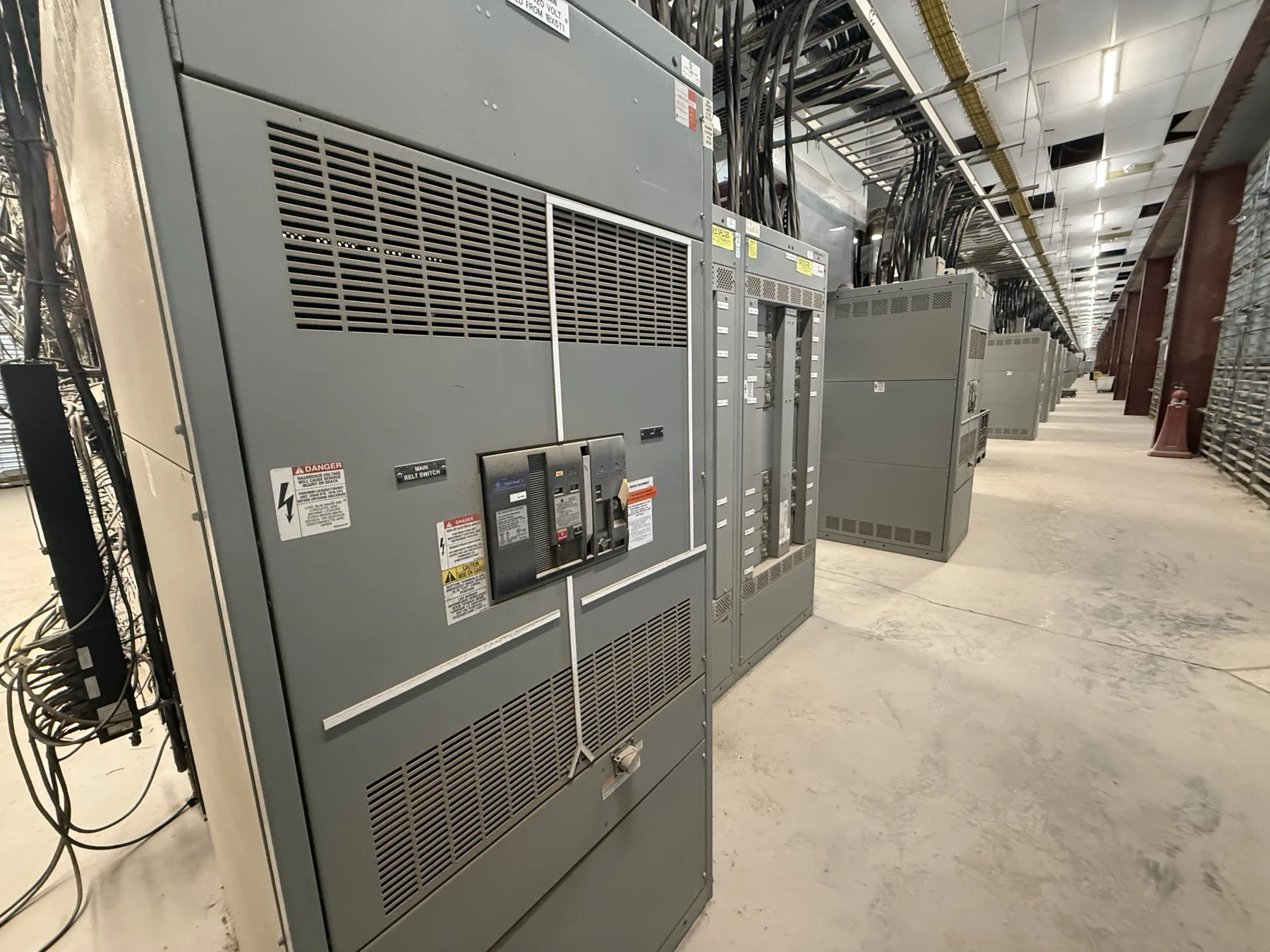
For used service-entrance switchboards buyers in California, explain which sections are being offered and whether the sale covers a complete lineup or selected equipment. Nameplate ratings and manufacturer information help identify the assembly. Photographs of existing labels, without opening energized equipment, can provide useful context when available.
Also state whether the switchboard is in service, already disconnected by qualified personnel, stored, or awaiting planned decommissioning. If that status is unclear, say so. A quote depends on review of the equipment and information; the seller does not have to test it or perform electrical work to make a request.
Identify Sections and Service Context
A service-entrance lineup may consist of several sections with different roles, so describe the arrangement as precisely as existing records allow. An equipment schedule, drawing, or section label can help distinguish the main equipment from adjacent components. If the seller cannot confidently identify a section, a photograph or note that it is uncertain is more useful than a guess.
Share manufacturer, model, nameplate ratings, and the number of sections when those details are available. Include known service status and any maintenance or operating records already held by the facility. These details help a buyer understand the equipment being reviewed, but they do not substitute for a required test; no test is required from the seller.
Service-entrance equipment can involve coordination beyond the seller’s own work area. Note any known utility coordination requirements, shutdown arrangements, or access approvals, and indicate whether those matters are settled or still being discussed. Qualified personnel must handle electrical disconnects under applicable safety procedures. The buyer handles disconnects as part of its removal logistics, rather than asking the seller to work on energized equipment.
Plan Around Decommissioning
If the switchboard is part of a facility closure or electrical upgrade, describe the broader schedule in practical terms. A planned shutdown date, building access window, or sequence with other equipment removal can influence how a buyer considers logistics. An approximate schedule is enough when no final date has been approved; do not present a tentative plan as a commitment.
Access details can be shared from site knowledge or existing plans: where the lineup sits, how it reaches a loading area, and whether a crane, rigging, or restricted doorway may be relevant. Mention known building rules, security procedures, and scheduling limits. There is no need to conduct measurements or move equipment solely to assemble a quote request.
The buyer handles rigging and logistics at its expense, including crane, rigging, disconnects, loading, freight, and hauling. This can help a seller avoid separately arranging those removal elements. Site coordination still matters, especially where utility arrangements or operating schedules affect when qualified personnel can perform work. The buyer and seller can review those constraints after the equipment information is submitted.
Clarify Ownership and Sale Scope
Before requesting a quote, confirm which organization can authorize disposition of the switchboard. A property owner, facility operator, or asset manager may hold different responsibilities, so name the party that can approve a sale or explain what approval remains. This helps avoid confusion about who can answer questions or arrange site access.
Define what is included using available records: the sections, attached devices, and any related components that are part of the proposed sale. If a component’s ownership or inclusion is uncertain, call that out rather than silently treating it as part of the lineup. Existing inventories and photographs can help establish scope without requiring new inspection work.
A buyer reviews the equipment and sale details before making a cash offer; the review does not guarantee a valuation or acceptance. The business buys all voltage classes, pays upfront, and does not require sellers to test equipment. Once a purchase is arranged, the buyer handles the listed removal logistics at its expense, leaving the seller with no removal work to perform.
Request a Review With Useful Details
A focused request to used service-entrance switchboards buyers in California can include the manufacturer, model, ratings, number of sections, and clear images of existing nameplates. State the service status, describe the included equipment, and attach available schedules or records. If a fact is unknown, label it as unknown rather than trying to fill the gap with an estimate.
Add the decommissioning or removal timeframe, site access information, and any utility coordination requirements already identified. Explain whether shutdown or access approvals are complete, pending, or not applicable. These details help the buyer consider removal planning without requiring the seller to disconnect, test, or handle electrical components.
Ask for a quote review based on the information supplied and offer to provide existing records if needed. The quote depends on the buyer’s review, so avoid assuming a specific price or timing. The business makes cash offers and pays upfront; it handles crane, rigging, disconnects, loading, freight, and hauling at its expense.