THE BUYER'S GUIDE / CALIFORNIA
Used Arc-Resistant Switchgear Buyers in California
Decide What to Share
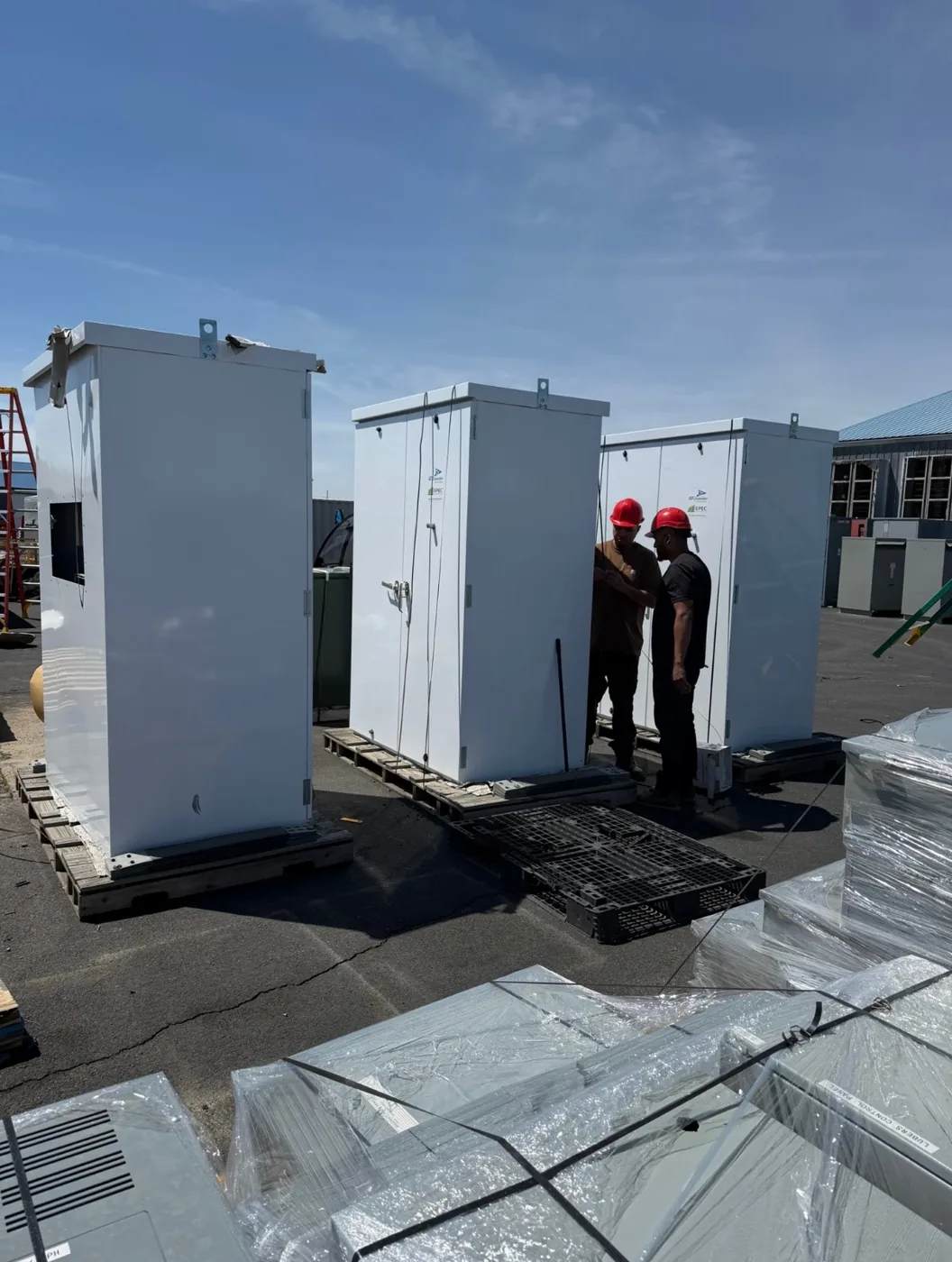
If arc-resistant switchgear is becoming surplus during a California facility change, the immediate decision is how to describe the asset without disturbing it. You can begin with records and photographs already available. A seller does not have to open compartments, operate devices, or test the assembly to ask a buyer to review it.
Used arc-resistant switchgear buyers in California can consider information about the complete assembly, its configuration, and its known condition. The business buys used and surplus switchgear, including equipment from decommissioned data centers and shut-down power plants, and makes cash offers after reviewing the equipment. All voltage classes are within the stated buying scope.
An arc-resistant designation should not be treated as a complete description of a particular lineup. The manufacturer, model, nameplate information, and configuration documents can help the reviewer understand what the assembly is. Share only information you can verify, and explain when a label or record is missing rather than filling gaps with assumptions.
Document Identity and Configuration
Provide the manufacturer and model if they are visible on accessible labels or stated in records. Nameplate photographs can convey details more accurately than a transcription, provided they can be taken safely. Do not enter energized compartments, remove barriers, or expose yourself to electrical hazards to obtain a label image.
Assembly documentation may show how the lineup is configured, including its sections and the devices identified in drawings or schedules. Such documents can help distinguish the actual equipment from a general product description. If drawings are unavailable, a few overall photographs and a plain account of what is visibly present still offer a starting point for review.
Share ratings or other nameplate information only as recorded; avoid inferring missing values from nearby equipment or a similar model. If records describe an earlier configuration, make that limitation clear. Accuracy matters because the buyer needs to assess the specific surplus assembly, not a hypothetical version of the product.
Explain Condition Without Testing
Describe the equipment’s known state in straightforward terms: for example, whether it remains installed, is awaiting removal, or is stored, if that information is established. Separate what someone has observed from what an old document reports. This distinction keeps an inquiry useful without implying that the equipment has been independently verified.
Mention known changes, visible damage, missing components, or incomplete sections. If you do not know whether a device operates, say that its operating condition is unknown. You are not required to energize, operate, or test switchgear for a buyer’s review, and no unsupported claim about performance should be included.
Maintenance records, drawings, or decommissioning notes may supply helpful context when they are already available and can appropriately be shared. They are information for the buyer’s review, not a demand for the seller to conduct testing or provide a new technical certification. Electrical inspection and handling, when needed for facility work, belong to qualified personnel using applicable safety procedures.
Plan Access and Removal Coordination
A description of the installation and removal route can help the buyer consider how the assembly might be handled. Note known constraints such as narrow access, floor transitions, restricted entry, or the distance to a loading area. Provide only details you know; a site description does not require the seller to design a rigging plan.
The business handles rigging and logistics at its expense, including crane, rigging, disconnects, loading, freight, and hauling. Electrical disconnects and handling must be carried out by qualified personnel following applicable safety procedures, and the buyer handles that work. Do not attempt to disconnect, move, or prepare energized equipment yourself.
Share site entry procedures and the person who can coordinate access, if known. Photographs of routes or staging areas may help when safely and appropriately taken. Removal arrangements depend on reviewing the actual equipment and access information, so avoid assuming exact timing or a particular method before the buyer has considered the details.
Make a Focused Quote Request
A clear request can include the California location, manufacturer and model, safely obtained nameplate images, overall views, the number and arrangement of sections, and available documents that identify configuration. Add a concise account of known condition and note any information that is uncertain. This gives the buyer a grounded basis for reviewing the specific arc-resistant assembly.
Include the equipment’s removal status, known site-access constraints, and any established procedures for coordinating entry. There is no need to arrange testing before asking for an offer. If drawings or maintenance records are not available, simply say so; the request can still be based on the information you do have.
The business reviews the equipment before making a cash offer; a quote is not guaranteed by submitting photographs or records. It buys used and surplus switchgear across voltage classes, pays upfront, and covers rigging and logistics. Make the request specific, share accurate information, and ask the buyer to review the assembly and the practical removal context.