THE BUYER'S GUIDE / CALIFORNIA
Used Power Distribution Units (PDUs) Buyers in California
Describe the Equipment Before Estimating Its Value
A useful description of a power distribution unit starts with what can be verified, not with assumptions about resale value. For California organizations planning a data center change, facility closure, or electrical upgrade, identify the equipment and explain what is known about its role. That gives a buyer a basis to review the unit without asking the seller to test it.
Used power distribution units (PDUs) buyers in California may review equipment from many settings, but the location alone does not establish condition, configuration, or value. A unit removed during decommissioning could be complete, partly separated from its accessories, or accompanied by related distribution components. Describe the actual situation and let the equipment details guide the next discussion.
A quote depends on reviewing the equipment information available; it is not a guaranteed valuation based on a short description. Sellers do not need to produce a test report or operate the PDU. Photos, identification details, and a clear account of what is included can help make the review more useful while leaving uncertain facts explicitly uncertain.
Put Decommissioning Details in Context
When a data center is decommissioned, power distribution equipment may be removed as part of a larger change in facility use. The PDU might be one item among several electrical assets, and its relationship to other equipment can matter. Explain whether the unit is already disconnected, awaiting removal, or still situated within a larger lineup, without attempting electrical work.
A shutdown or closure does not by itself tell a buyer whether a PDU is suitable for review. The reason for removal, approximate time in service if known, and any known changes to its configuration may help describe its history. If those details are unavailable, say so rather than reconstructing a service history from memory or making an unsupported condition claim.
The business buys used and surplus switchgear, including equipment from decommissioned data centers and shut-down power plants, and buys all voltage classes. A seller can mention that a PDU comes from a decommissioned facility, but should avoid assuming that this fact determines the outcome. The buyer reviews the equipment and available information before making an offer.
Identify Ratings, Model, and Included Components
Provide the manufacturer and model as they appear on the equipment identification label, along with the voltage and current ratings shown there. A clear photograph of the nameplate can reduce transcription errors, especially when several similar units are being evaluated. Do not infer missing ratings or rely on a neighboring unit's label as a substitute.
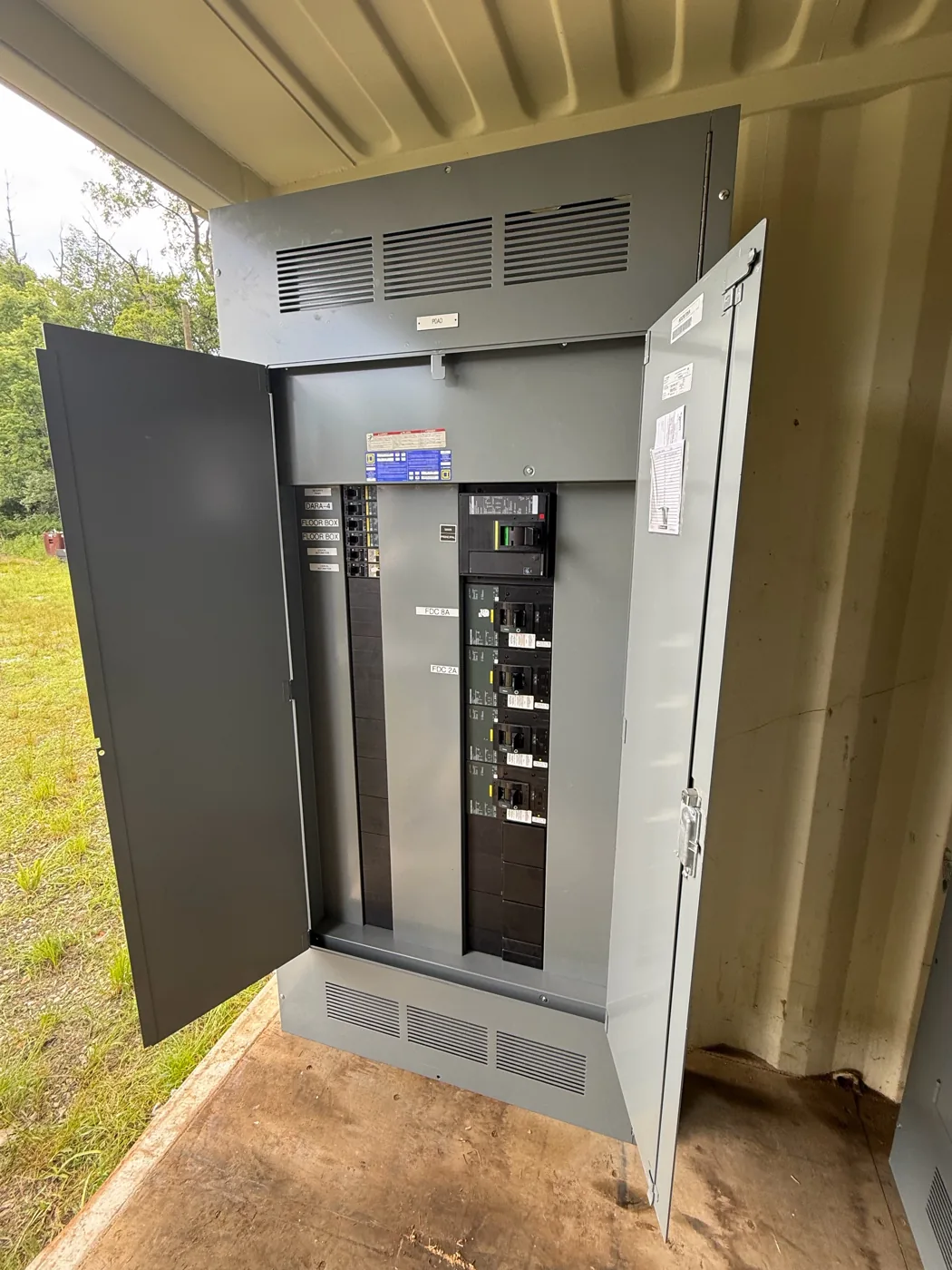
Describe the enclosure and send exterior photos from several angles, including a view that shows the overall arrangement. Images can help distinguish a standalone PDU from equipment integrated with other electrical assemblies. They also give context about access and visible condition, but they do not replace the rating information or establish that internal parts have been tested.
Include a written list of distribution components that will remain with the unit, such as components identifiable from labels or existing records. Do not invent a component list from appearance alone. If a part's identity is uncertain, label it as unknown and include a photo. This distinction matters because the buyer must understand what equipment is actually being offered for review.
Plan Access Without Taking Electrical Risks
For a practical review, explain where the PDU is located within the facility and how a removal crew could reach it. Useful context can include the route to the loading area, doorway or corridor constraints, floor or level, and whether a crane may be needed. These details support logistics planning; they are not a request for the seller to disconnect or move equipment.
Electrical handling and disconnects belong to qualified personnel following applicable safety procedures. Never work on energized equipment or attempt to open, disconnect, or prepare a PDU for removal. The buyer handles disconnects, rigging, loading, freight, hauling, and any crane arrangements at its expense, so the seller can focus on describing access and current status.
If the equipment is still installed, say whether qualified personnel have already disconnected it or whether that work remains to be arranged. If this is unknown, state that plainly. A photo of the access route or a simple written explanation may help identify logistical considerations, but no seller inspection or equipment test is required to request a quote.
Make a Clear, Actionable Quote Request
A useful quote request brings together the PDU's manufacturer and model, nameplate voltage and current ratings, enclosure photos, and a list of included distribution components. Add the equipment quantity, location within the facility, known decommissioning status, and practical access notes. If any detail cannot be confirmed, mark it unknown rather than delaying the request or supplying a guess.
Explain whether the PDU is being offered alone or alongside other used or surplus switchgear. For multiple units, distinguish each item with its own identifying photo and label details where available. This helps prevent one unit's ratings or included components from being mistakenly attributed to another. No special test or certification is required from the seller for the buyer to review the information.
A quote is subject to review, and the information provided helps determine whether an offer can be made. The business makes cash offers and, if a purchase is agreed, pays upfront; the seller does nothing but get paid. The seller is not responsible for arranging rigging or transport: the buyer handles disconnects, loading, freight, hauling, and crane or rigging needs at its expense.