THE BUYER'S GUIDE / CALIFORNIA
Used Outdoor Switchboards Buyers in California
Describe the Outdoor Equipment Without Testing
A clear enclosure label can answer important questions about an outdoor switchboard without anyone opening it or performing electrical tests. Sellers in California can share readable nameplate photographs, visible manufacturer markings, and a description of where the equipment is installed. If a label is weathered or difficult to reach safely, report that limitation rather than trying to clean, remove, or approach it.
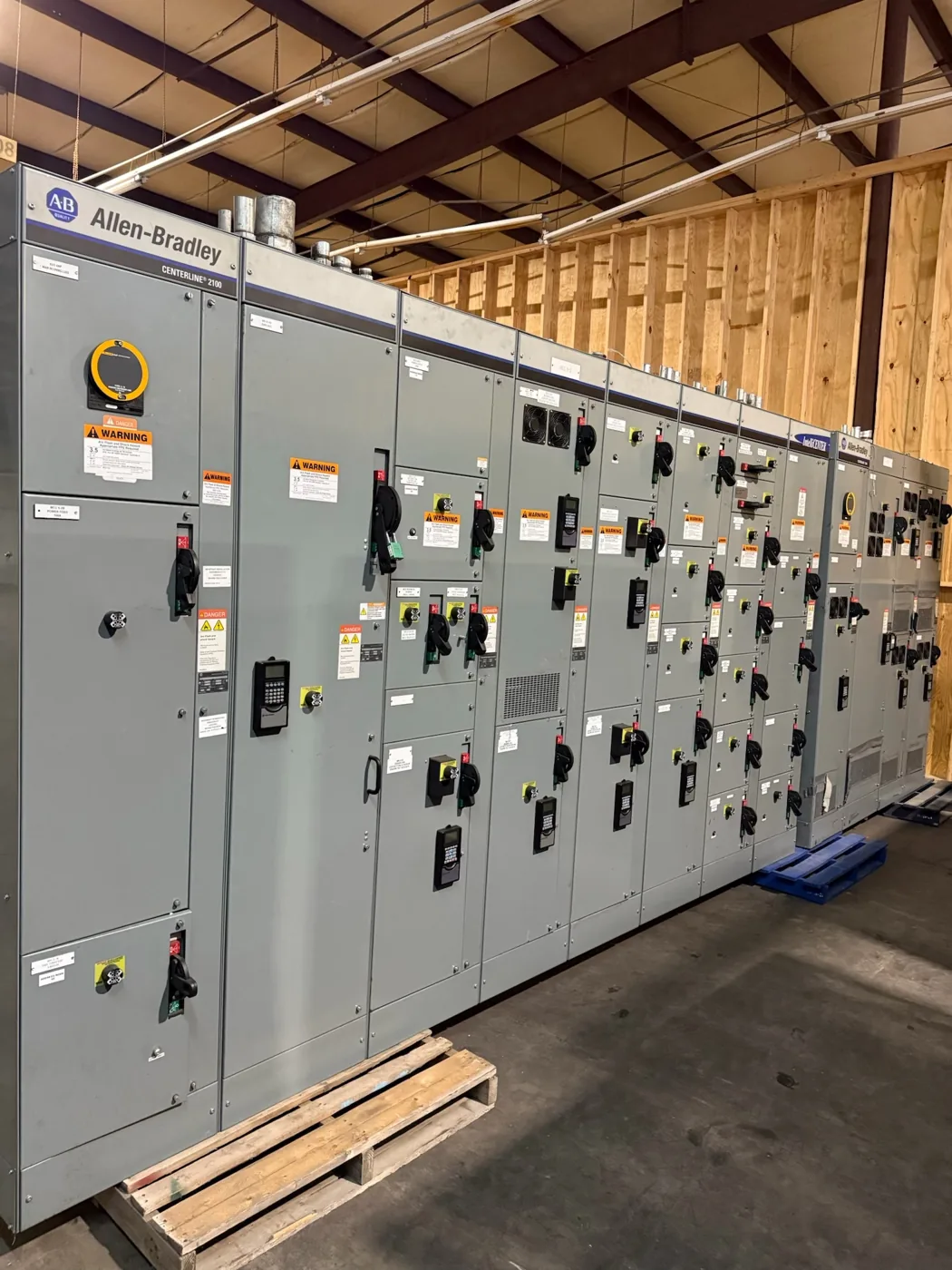
For used outdoor switchboards buyers in California, the first useful distinction is what the equipment appears to be and how much of the assembly remains together. Note whether you are describing one cabinet or a connected lineup, and give an approximate overall length if it can be measured safely. Include any visible model or serial identifiers, but do not guess at missing information.
A few wide photographs can show the overall arrangement, while closer views may make labels and exterior features easier to review. Take pictures only from safe, accessible positions and follow site rules. The purpose is to provide information for a quote review, not to establish electrical condition through seller testing or to certify equipment for reuse.
Record Exposure and Visible Condition
Outdoor placement makes enclosure details and observed exposure relevant to a review. Share visible enclosure markings, such as a printed type or rating, only when they can be read directly. Mention whether the switchboard has been installed outdoors, is sheltered by an overhang, or has been stored elsewhere, but avoid inferring protection characteristics from appearance alone.
Describe observable conditions in straightforward terms: intact or missing exterior panels, dents, corrosion that is visible from a safe position, damaged paint, or signs that a door does not appear aligned. State whether the observation is limited to the outside. Such notes help distinguish what is known from what has not been inspected, and they do not replace a professional assessment.
California locations vary, so avoid assuming that a particular climate or exposure history applies to the equipment. If you know how long the switchboard was outdoors, whether it was covered, or when it was removed from service, share that as background. If you do not know, say so. Buyers can review available facts without requiring the seller to test equipment.
Summarize Ratings and Lineup Size
If the nameplate is legible, report the ratings exactly as shown rather than translating, rounding, or filling gaps from memory. Voltage, current, and other printed values can help identify the assembly, but a photo is often more useful than a handwritten interpretation. Do not remove covers or approach an electrical compartment to locate a rating; use information already visible and safely accessible.
Lineup size also helps put the asset in context. Provide the number of connected sections if known, an approximate length, and whether related cabinets or accessories are included. Explain if sections have already been separated or if some components were removed during decommissioning. A simple description of what remains together is more helpful than an uncertain claim that the board is complete.
When ratings, manufacturer, or configuration cannot be confirmed, identify the uncertainty plainly. A buyer reviewing used outdoor switchboards buyers in California can consider the information available, but any quote depends on reviewing the specific equipment. Accurate limits on what you know prevent mistaken assumptions and allow follow-up questions to focus on meaningful identification details.
Plan Removal Access and Site Coordination
Access affects how an outdoor switchboard can be removed, so describe the route from its current position to a loading area. Note gates, narrow passages, overhead obstructions, changes in elevation, and whether vehicles can approach nearby. If dimensions or clearances are unknown, say that instead of estimating. Photos of the route and surrounding space can clarify constraints without requiring electrical work.
Include what you know about the switchboard’s mounting, nearby structures, and whether a crane may be needed. Do not disconnect, dismantle, lift, or load equipment yourself. Electrical handling and disconnects belong to qualified personnel following applicable safety procedures; the buyer handles rigging and logistics, including crane, rigging, disconnects, loading, freight, and hauling at its expense.
For equipment at a plant, data center, or other facility being cleared, explain any site access process or scheduling constraints that have been communicated to you. Do not share confidential access credentials in an initial inquiry. A practical description lets the buyer assess logistics while keeping the seller’s role limited to providing information and arranging the review.
Request a Review and Cash Offer
To request a review, send the equipment description, available nameplate images, exterior-condition notes, approximate lineup dimensions, and known removal-access details. Include the California city or general area where the switchboard is located, but do not assume that location alone establishes eligibility or value. If the equipment came from a decommissioned data center or shut-down power plant, that context may help explain why it is available.
The business buys used and surplus switchgear, including outdoor switchboards, and makes cash offers with payment upfront when a transaction is agreed. It buys all voltage classes and does not require sellers to test equipment. A quote depends on reviewing the particular assembly and the information provided, so no price or outcome should be presumed before that review.
The buyer handles rigging and logistics, including crane, rigging, disconnects, loading, freight, and hauling, at its expense. The seller does nothing but get paid. For a useful first request, state what is known, identify what is uncertain, attach safe photographs, and ask for a review of the specific outdoor switchboard rather than offering unsupported condition claims.