THE BUYER'S GUIDE / CALIFORNIA
Used Metal-Enclosed Switchgear Buyers in California
Planning a Facility Change
When a California facility changes its electrical layout, closes, or prepares for new equipment, metal-enclosed switchgear may become surplus before the surrounding work is complete. The practical first step is to identify what is being removed and describe the access conditions, rather than assuming every section has the same value or handling needs.
A buyer of used metal-enclosed switchgear in California can review equipment from a range of voltage classes. The business buys used and surplus switchgear, including equipment from decommissioned data centers and shut-down power plants, and makes cash offers after reviewing what is available. Sellers do not need to test equipment to request consideration.
The business pays upfront and handles rigging and logistics at its expense, including disconnects, crane work, loading, freight, and hauling. Electrical handling and disconnects belong to qualified personnel following applicable safety procedures; the buyer handles that work. The seller’s role is to share available information, coordinate access, and get paid if an offer is accepted.
Identify Sections and Devices
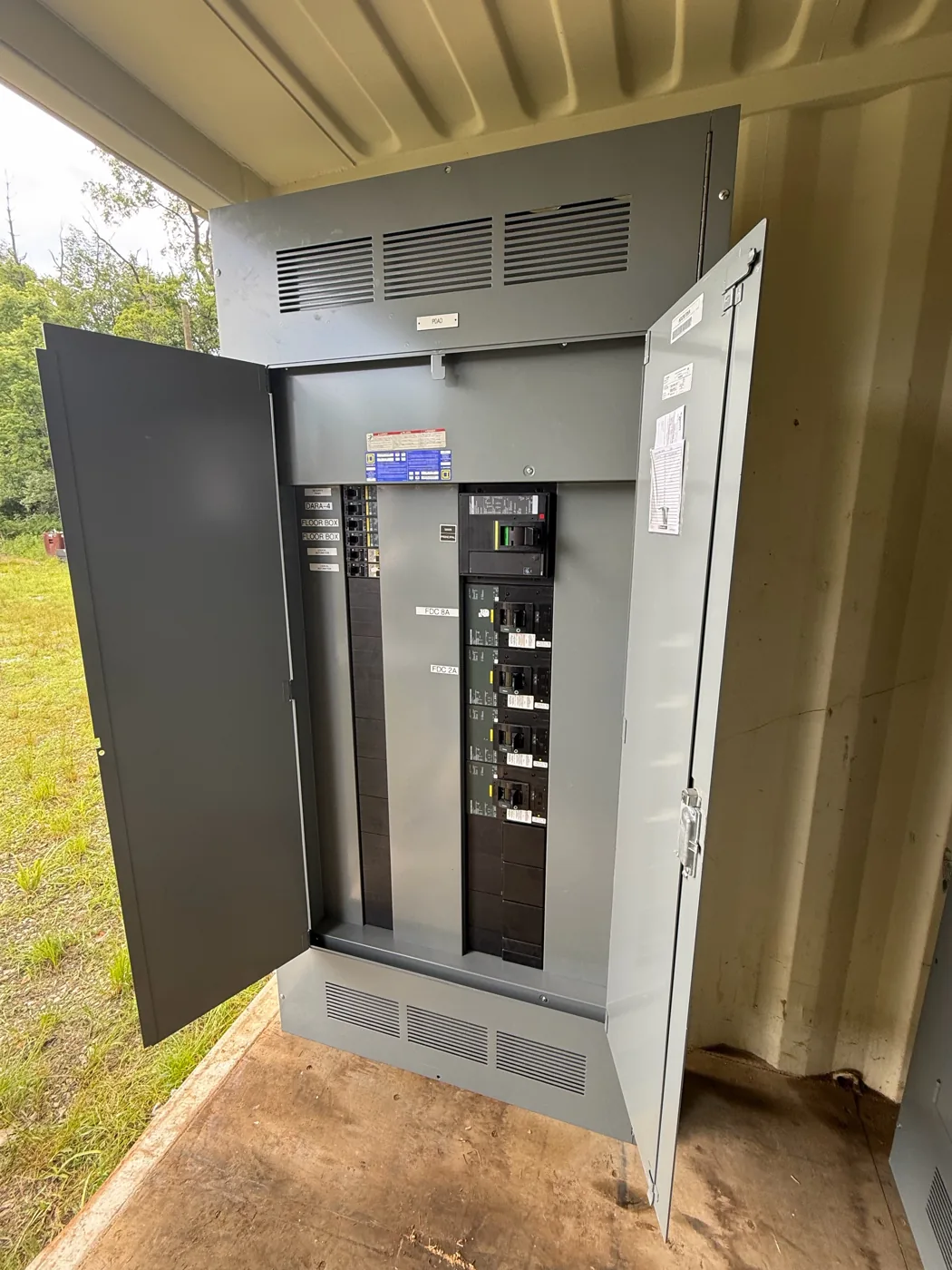
Start with overall photographs that show the lineup, its arrangement, and the relationship between sections. Images taken from a safe location can help a reviewer understand whether the equipment appears to be one continuous assembly or multiple groups. Do not enter energized compartments or remove covers to obtain better pictures.
Share readable nameplate photographs when they are accessible without unsafe work. Manufacturer, model, voltage class, and other visible ratings can help distinguish one assembly from another, but do not guess at missing or illegible details. If a label cannot be reached safely, say so and provide any documentation already on hand.
Report the number of sections and identify visible switching or protection devices as accurately as you can. A simple description of what is present helps a reviewer understand the lineup’s configuration; it is more useful than an unsupported assumption about its function. Existing schedules, drawings, or asset records may add context, but are not a condition of making an inquiry.
Describe Known Condition
Explain what is known about the equipment’s condition and history, distinguishing direct observations from information found in records. For example, you might describe a section as stored, installed, or awaiting removal if those facts are known. There is no need to energize, operate, or test devices to prepare a quote request.
Mention visible damage, missing parts, incomplete sections, or changes to the lineup if you are aware of them. If the condition is uncertain, state that plainly rather than presenting an estimate as a verified fact. A candid description helps the buyer review the asset and decide what additional information, if any, would be useful.
Available maintenance records, drawings, or removal notes can clarify the assembly’s identity and completeness. Share copies only if they are already available and appropriate to disclose. The purpose is to inform a review, not to certify condition or substitute for an inspection by qualified personnel when required for facility work.
Coordinate Removal Access
Describe where the lineup is located within the facility and the route equipment would need to travel, using ordinary terms such as floor, doorway, corridor, or loading area. Note known access limits, stairs, restricted routes, or other obstacles. This information helps the buyer consider rigging and logistics without asking the seller to plan or perform the work.
Photographs of the approach and loading area can be helpful if they can be taken without disrupting operations or compromising safety. Include any known scheduling or site-access procedures, and identify who can coordinate entry. Do not disconnect or move electrical equipment yourself; qualified personnel must follow applicable safety procedures, while the buyer handles the rigging and logistics.
The buyer covers crane work, rigging, disconnects, loading, freight, and hauling. These arrangements are reviewed in light of the equipment and access details provided; no particular removal plan or timing should be assumed before review. The seller does not have to arrange a separate hauling solution as a condition of asking for an offer.
Request a Review and Offer
For a useful quote request, send a concise description of the California equipment, the number of sections, visible switching or protection devices, overall photographs, and any safely obtained nameplate images. Add known condition information and explain anything uncertain. Include available drawings or records when they help identify the assembly, but do not delay an inquiry to obtain unavailable documents.
Describe the facility’s removal context and access constraints, and say whether the equipment is installed, already disconnected by qualified personnel, or otherwise staged, if known. These details support a practical review; they do not guarantee eligibility, a valuation, or a particular schedule. No equipment testing is required to begin the conversation.
The buyer reviews the information before making a cash offer. The business buys used and surplus switchgear across voltage classes, pays upfront, and handles the removal logistics at its expense. Send what you can accurately share and ask for a review of the specific metal-enclosed switchgear; the seller’s task is to provide information, coordinate access, and get paid if an offer is accepted.