THE BUYER'S GUIDE / CALIFORNIA
Used MCC Buckets Buyers in California
Describe the Buckets Before Estimating Value
When preparing a quote request for used MCC buckets, a useful description is more valuable than an unsupported estimate of what the equipment might be worth. The manufacturer, model, ratings, quantity, and physical arrangement help a buyer understand what is being reviewed. Sellers in California can share information they already have; they do not need to test the buckets.
Start with the number of buckets and identify the manufacturer and model from visible labels or existing records, if available. Include voltage and current ratings as shown on the equipment. Do not guess at unreadable markings. A clear photograph of a nameplate can help communicate what is visible, while a note explaining that a label cannot be read is more useful than an invented rating.
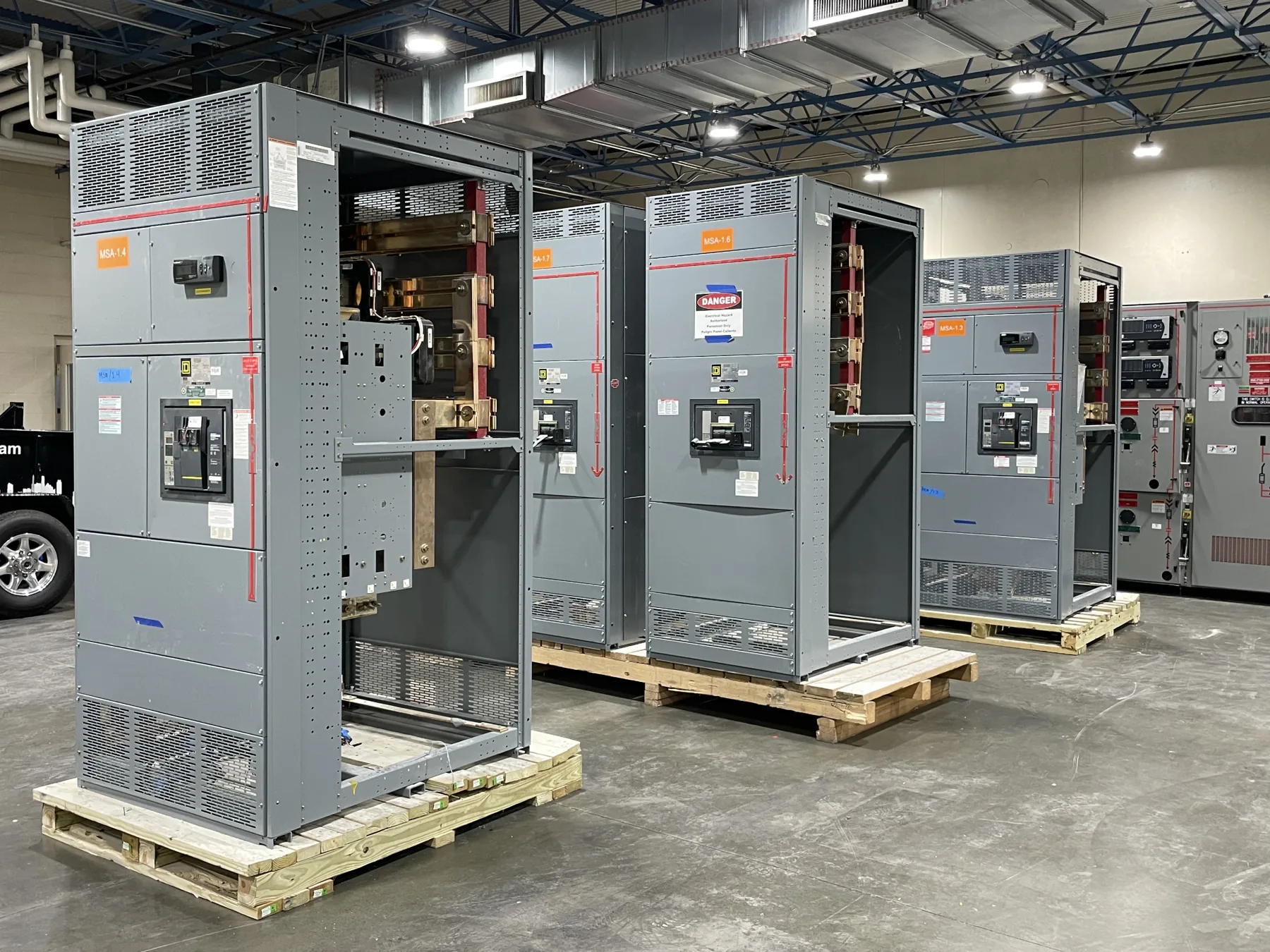
Also explain whether the buckets remain in a motor control center lineup or have already been removed and separated. That distinction affects how the equipment can be identified and how it may need to be accessed. A description does not establish value by itself; a cash offer depends on review of the actual equipment and the information provided.
Identify Configuration and Available Records
MCC buckets can differ in manufacturer, model, ratings, and configuration, so a quantity alone does not tell the whole story. Grouping buckets by visible manufacturer or lineup can make a quote request easier to understand. If buckets have different markings, describe those differences rather than treating every item as identical.
Useful supporting information may include existing equipment schedules, maintenance records, drawings, or photographs of the lineup and individual labels. These records can help clarify which buckets belong together and whether the stated ratings refer to each bucket or another part of the assembly. Share only information you have; there is no need to create technical documentation or conduct a new inspection.
If the lineup has been decommissioned, say whether the buckets were removed during that work and whether their former positions are known. The history can explain why some items are together and others are separate. It is a request for context, not a demand for testing, operating demonstrations, or a seller’s independent technical certification.
Explain Decommissioning and Condition Honestly
A brief account of how the MCC buckets became available helps frame a review. They may come from a facility decommissioning, a change in electrical distribution, or another equipment removal. The buyer purchases used and surplus switchgear, including equipment from decommissioned data centers and shut-down power plants; sellers can describe their own situation without implying a particular site history.
When convenient, describe visible condition using straightforward observations: whether a bucket is present, whether its door or enclosure appears intact, and whether accessories are included or missing. Avoid claiming that a bucket is operational unless that is established by existing records. Testing is not required, and sellers should not energize or handle electrical equipment to produce information for a quote.
If some details are unknown, mark them as unknown. For example, a seller may know the manufacturer and current rating but not the model, or may have a list of quantities without a record of each bucket’s original position. Accurate limits help the reviewer distinguish documented facts from assumptions and decide what clarification, if any, would be useful.
Plan Access Without Handling Electrical Work
State whether the buckets remain installed in a lineup, sit in storage, or have been placed in another accessible area. Describe the general route to them, any known doorway or loading constraints, and whether a crane or other access consideration may be relevant. These details help plan removal and transport without requiring a seller to move equipment before requesting a quote.
The buyer handles rigging and logistics at its expense, including crane, rigging, disconnects, loading, freight, and hauling. Sellers should not attempt electrical disconnects or work on energized equipment. Electrical handling and disconnects belong to qualified personnel following applicable safety procedures, and the buyer handles that work as part of its logistics.
A seller can simply explain who can coordinate site access and share any known scheduling or building-access restrictions. Do not dismantle a lineup or separate buckets just to improve a request. Whether equipment remains assembled or is already separate is useful information for review, not a condition that the seller must change before asking about a possible purchase.
Send a Clear Quote Request for California Equipment
A practical request can combine the bucket count, manufacturer, model, voltage and current ratings, and whether items remain in a lineup. Add photographs of available labels and the overall arrangement, plus the equipment’s general location in California and current access status. If records are incomplete, identify which details are confirmed and which are not known.
Include any available information about how the equipment was decommissioned, whether accessories are included, and whether the buckets have already been removed. These details help the buyer review the particular lot rather than rely on broad assumptions about MCC equipment. A quote is based on reviewing what is offered; no price or eligibility should be assumed before that review.
The business makes cash offers and pays upfront when it buys equipment, and the seller does nothing but get paid. It buys all voltage classes and does not require sellers to test equipment. Send the information you have to request a review. A valuation is not guaranteed before the equipment is considered.